Restaurant Takeout Statistics
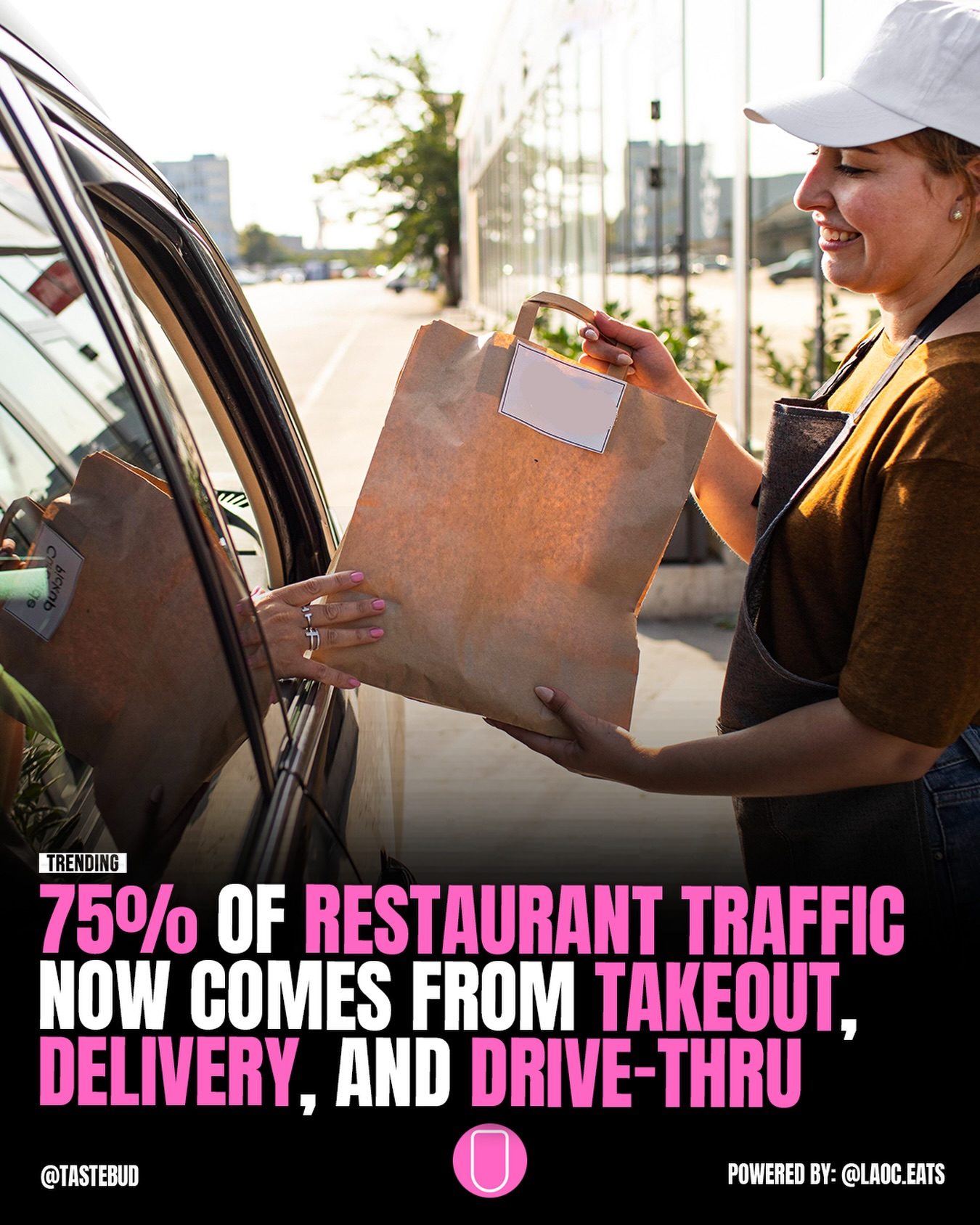
The dynamics of the restaurant industry have shifted dramatically, with a significant portion of customer interactions now occurring off-premises. Nearly 75 percent of restaurant traffic is now facilitated through takeout, delivery, and drive-thru services. This shift, accelerated by the pandemic, reflects a broader trend of customers prioritizing speed, convenience, and the seamless integration of mobile ordering.
Context
The pandemic has fundamentally altered how people access food from restaurants. With social distancing measures and lockdowns, the demand for takeout, delivery, and drive-thru options skyrocketed. However, this trend has persisted long after the height of the pandemic, indicating a lasting change in consumer behavior. Customers are increasingly valuing the convenience and efficiency of these services, pushing restaurants to adapt their operations accordingly.
Main discussion
The Rise of Takeout and Delivery
The convenience offered by takeout and delivery services has made them a staple for many diners. Mobile ordering platforms have played a crucial role in this transformation, allowing customers to place orders from their smartphones with just a few taps. This convenience has become a significant factor in the decision-making process, with many customers opting for the ease of ordering from home or on the go.
Redesigning Restaurant Operations
To meet the growing demand for off-premises dining, many restaurants have redesigned their kitchens and parking areas. Drive-thru lanes have been expanded, and pickup shelves have been added to streamline the order pickup process. These changes not only enhance the efficiency of service but also ensure that customers have a positive experience, encouraging repeat visits and word-of-mouth referrals.
The Role of Technology
Technology has been a driving force behind the shift towards takeout, delivery, and drive-thru services. Mobile ordering apps, contactless payment options, and real-time order tracking have made the process more efficient and user-friendly. These technological advancements have also allowed restaurants to manage increased order volumes without compromising on quality or service speed.
The Impact on Dine-In Services
Despite the surge in off-premises dining, traditional dine-in services continue to hold value. Many restaurants are finding a balance by offering both options, allowing customers to choose based on their needs and preferences. This dual approach ensures that restaurants can cater to a broader audience, maximizing revenue streams and customer satisfaction.
The Future of Restaurant Dining
The future of restaurant dining is likely to see a continued emphasis on convenience and efficiency. As technology advances, we can expect to see even more innovative solutions in the takeout, delivery, and drive-thru sectors. Restaurants that can effectively adapt to these changes and integrate them into their operations will be well-positioned to thrive in this evolving landscape.
Practical tips
For Customers
- Utilize Mobile Ordering: Take advantage of mobile ordering apps to streamline your ordering process and reduce wait times.
- Check for Promotions: Many restaurants offer exclusive deals and promotions for takeout and delivery orders, so keep an eye out for savings.
- Plan Ahead: If you know you'll be using drive-thru or pickup services, try to plan your route and order in advance to minimize delays.
For Restaurants
- Invest in Technology: Upgrade your kitchen and ordering systems to handle the increased demand for takeout and delivery services efficiently.
- Optimize Pickup Areas: Redesign your drive-thru lanes and add pickup shelves to enhance the customer experience during the order pickup process.
- Promote Off-Premises Options: Highlight your takeout, delivery, and drive-thru services through targeted marketing and promotions to attract more customers.
- Gather Feedback: Regularly collect and analyze customer feedback to identify areas for improvement in your off-premises services.
For Delivery Partners
- Maintain Quality: Ensure that food is delivered in a timely and well-packaged manner to preserve its quality and presentation.
- Efficient Routing: Optimize your delivery routes to minimize travel time and maximize the number of deliveries.
- Customer Communication: Keep customers informed about their order status and any potential delays to enhance their overall experience.
Important takeaways
- The restaurant industry has seen a significant shift towards off-premises dining, with nearly 75% of traffic now coming from takeout, delivery, and drive-thru services.
- This trend, accelerated by the pandemic, highlights the importance of convenience and efficiency in modern dining experiences.
- Restaurants are adapting by redesigning their kitchens and optimizing pickup areas to meet the growing demand.
- Technological advancements in mobile ordering, real-time tracking, and contactless payments are driving this shift.
- The future of dining will likely continue to prioritize convenience and efficiency, with restaurants finding innovative ways to balance traditional dine-in services with off-premises options.
Conclusion
The transformation in the restaurant industry, marked by the rise of takeout, delivery, and drive-thru services, reflects a broader shift in consumer behavior. As customers increasingly prioritize convenience and speed, restaurants are adapting their operations to meet these demands. By leveraging technology and optimizing their services, restaurants can thrive in this evolving landscape, providing customers with satisfying and efficient dining experiences. Whether you're a customer enjoying a meal on the go or a restaurant owner seeking to enhance your services, staying informed about these trends will be key to navigating the future of dining.
Watch the Reel
Questions readers ask
What does off-premises dining mean for restaurants?
Off-premises dining refers to food and drinks purchased from restaurants for consumption elsewhere. This includes takeout, delivery, and drive-thru services, which now account for 75% of restaurant traffic. The trend requires restaurants to adapt their operations, including offering takeout menus and enhancing delivery options.
How has the pandemic influenced restaurant takeout trends?
The pandemic has driven a significant increase in off-premises dining, as social distancing and lockdowns made dine-in options less accessible. This shift has led to a lasting change in consumer behavior, with customers now prioritizing convenient food delivery and takeout options.
What are the benefits of offering drive-thru ordering for restaurants?
Drive-thru ordering offers several benefits, including increased convenience for customers, faster service, and the ability to serve more customers during peak hours. It also allows restaurants to maintain social distancing guidelines, making it a popular choice for both customers and restaurant owners.
How can restaurants optimize their takeout food industry services?
To optimize takeout services, restaurants can streamline their ordering systems with mobile apps or online platforms, ensure packaging is designed for takeout, and train staff to handle high volumes of takeout orders efficiently. Additionally, offering a dedicated takeout menu can help manage inventory and reduce waste.
What are the key factors driving the rise of convenient food delivery?
Key factors driving the rise of convenient food delivery include advancements in technology that allow for easy ordering and payment, the demand for speed and convenience, and the integration of mobile ordering options. Additionally, the pandemic has accelerated this shift, making convenient food delivery a staple in the dining industry.
Related deep dives
Similar reads based on topic and creator.



Recent articles
Fresh deep dives from the latest Reels we unpacked.




Comments
Be the first to comment.