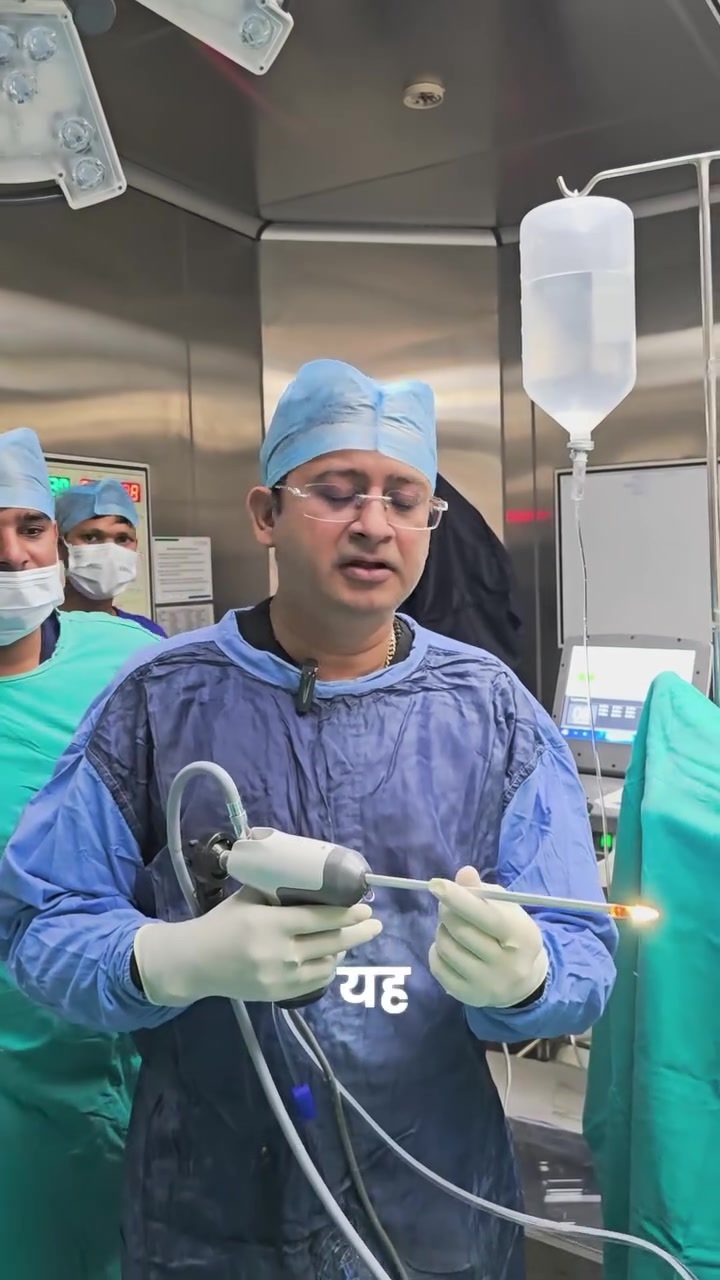
Resum Therapy for Prostate Treatment: A Modern Alternative to Traditional Surgery
Rezum's water vapour therapy provides an innovative, minimally invasive solution for prostate conditions, particularly benign prostatic hyperplasia (BPH). This advanced technique, based on a system from Boston Scientific, represents a significant departure from traditional surgical procedures. By leveraging the power of water vapour, Resum offers a range of benefits, including reduced risk of complications, faster recovery, and preservation of sexual function.
Context: The Significance of Minimally Invasive Surgical Therapies
Traditional prostate surgeries, such as transurethral resection of the prostate (TURP) and open prostatectomy, have long been the standard of care for enlarged prostates. However, these procedures often come with significant risks and drawbacks, including a high chance of bleeding, retrograde ejaculation, and a lengthy recovery period. Minimally invasive surgical therapies (MIST) aim to mitigate these issues by providing effective treatment with less trauma to the body.
Understanding Resum Therapy
Developed by Boston Scientific, the Rezum System is designed to treat BPH through a process called water vapour thermal therapy. The procedure is straightforward. A thin needle is inserted into the prostate, delivering water vapour at a controlled temperature of 102 degrees Celsius. This heat causes the prostate tissue to undergo necrosis, reducing its size and alleviating symptoms. The entire procedure is typically completed in under 5–10 minutes, making it an ideal daycare treatment.
The Procedure and Its Benefits
One of the standout features of the Rezum procedure is its minimal invasiveness. Unlike traditional surgeries, Rezum does not involve extensive incisions or blood loss. The treatment is performed under minimal anesthesia, allowing patients to go home shortly after the procedure. This not only reduces the risk of complications but also accelerates recovery.
Patients who undergo Rezum therapy experience several key benefits:
- Reduced Risk of Complications: By avoiding major surgery, the risk of bleeding, infection, and other complications is significantly lowered.
- Faster Recovery: The minimally invasive nature of the procedure means patients can resume normal activities more quickly.
- Preservation of Sexual Function: One of the major concerns with traditional prostate surgeries is the impact on sexual function. Rezum therapy is designed to preserve sexual function, making it an attractive option for younger patients.
- Improved Quality of Life: The procedure effectively reduces symptoms associated with BPH, leading to an improved quality of life for patients.
Advantages Over Traditional Surgery
Traditional surgeries like TURP, open prostatectomy, and laser therapies come with a range of potential complications, including:
- Retrograde Ejaculation: This condition, where semen enters the bladder instead of exiting through the urethra during orgasm, is a common side effect of traditional prostate surgeries.
- Erectile Dysfunction: Traditional surgeries can also impact a man's ability to achieve or maintain an erection.
- Longer Recovery Periods: Traditional surgeries typically require longer hospital stays and recovery times, which can be disruptive to a patient's life.
In contrast, Rezum therapy addresses these issues by offering a more targeted and less invasive approach. The procedure is performed in an outpatient setting, and patients can return to normal activities within a few days.
Practical Tips for Patients Considering Rezum Therapy
If you or someone you know is considering Rezum therapy, here are some practical tips to keep in mind:
- Consult a Urologist: It's essential to consult with a qualified urologist who has experience with the Rezum procedure. They can provide detailed information and address any concerns you may have.
- Understand the Risks and Benefits: While Rezum therapy has many advantages, it's important to understand the potential risks and benefits. Your urologist can help you weigh these factors.
- Prepare for the Procedure: Follow your healthcare provider's instructions for pre-procedure preparation, which may include instructions on medication and fasting.
- Plan for Recovery: Although recovery is faster with Rezum therapy, it's still important to plan for some downtime. Arrange for transportation and support during the initial recovery period.
Important Takeaways
- Minimally Invasive: Rezum therapy offers a less invasive alternative to traditional prostate surgeries, reducing the risk of complications.
- Proven Effective: The procedure has shown effectiveness in treating BPH, providing significant relief from symptoms.
- Quick Recovery: Patients can typically return home the same day and resume normal activities within a few days.
- Preserves Sexual Function: Unlike traditional surgeries, Rezum therapy does not typically impact sexual function, making it a preferred option for many patients.
Conclusion
The introduction of Rezum therapy marks a significant advancement in the treatment of prostate conditions, particularly BPH. By offering a minimally invasive, effective, and safe alternative to traditional surgeries, Rezum provides patients with a new option that can improve their quality of life. With its reduced risk of complications, faster recovery, and preservation of sexual function, Rezum therapy is a promising development in the field of urology.
Watch the Reel
Questions readers ask
What is Rezum Water Vapour Therapy and how does it work?
Rezum Water Vapour Therapy is a minimally invasive treatment for benign prostatic hyperplasia (BPH) that utilizes controlled water vapor to reduce the size of the enlarged prostate. The procedure involves inserting a small needle into the prostate and delivering water vapor to the targeted tissue, which then shrinks over time, relieving symptoms.
What are the benefits of Rezum Therapy compared to traditional prostate surgeries?
Rezum Therapy offers several advantages, including reduced risk of complications such as incontinence and erectile dysfunction, faster recovery times, and a lower likelihood of requiring a catheter post-procedure. Additionally, Rezum preserves sexual function, making it an attractive alternative to more invasive surgical options.
Who is a good candidate for Rezum Water Vapour Therapy?
Men experiencing symptoms related to an enlarged prostate, such as frequent urination, weak urine stream, and difficulty starting or stopping urination, may be suitable candidates for Rezum Therapy. Ideally, candidates should have a prostate size between 30-80 grams and should not have a urinary tract infection or other conditions that may complicate the procedure. A urologist can provide a thorough evaluation.
Is Rezum Therapy painful, and what is the recovery process like?
Rezum Therapy is typically performed under local anesthesia, so discomfort during the procedure is minimal. Following the procedure, some men may experience temporary discomfort or urgency to urinate, but these symptoms usually resolve within a few days. Most patients can resume normal activities within a few days, with some restrictions on heavy lifting or strenuous exercise for a few weeks.
How long does it take to see results from Rezum Water Vapour Therapy?
Patients may begin to experience relief from their BPH symptoms within a few weeks after the Rezum procedure. However, the full benefits, including a significant reduction in prostate size and improvement in urinary function, may take up to three months or longer to fully manifest.
Is Rezum Water Vapour Therapy a permanent solution for BPH?
While Rezum Therapy provides long-lasting relief for many patients, it is not guaranteed to be a permanent solution. Some men may experience a recurrence of symptoms over time, although this is less common. Regular follow-ups with a urologist can help monitor prostate health and determine if additional treatments are necessary.
What should I expect during the consultation for Rezum Therapy?
During the consultation, a urologist will assess your symptoms, medical history, and perform a physical examination. They may also order tests such as a PSA test, urinary flow test, or prostate ultrasound. The urologist will discuss the benefits and risks of Rezum Therapy, answer any questions, and determine if you are a suitable candidate for the procedure.
Related deep dives
Similar reads based on topic and creator.


Recent articles
Fresh deep dives from the latest Reels we unpacked.




Comments
Be the first to comment.