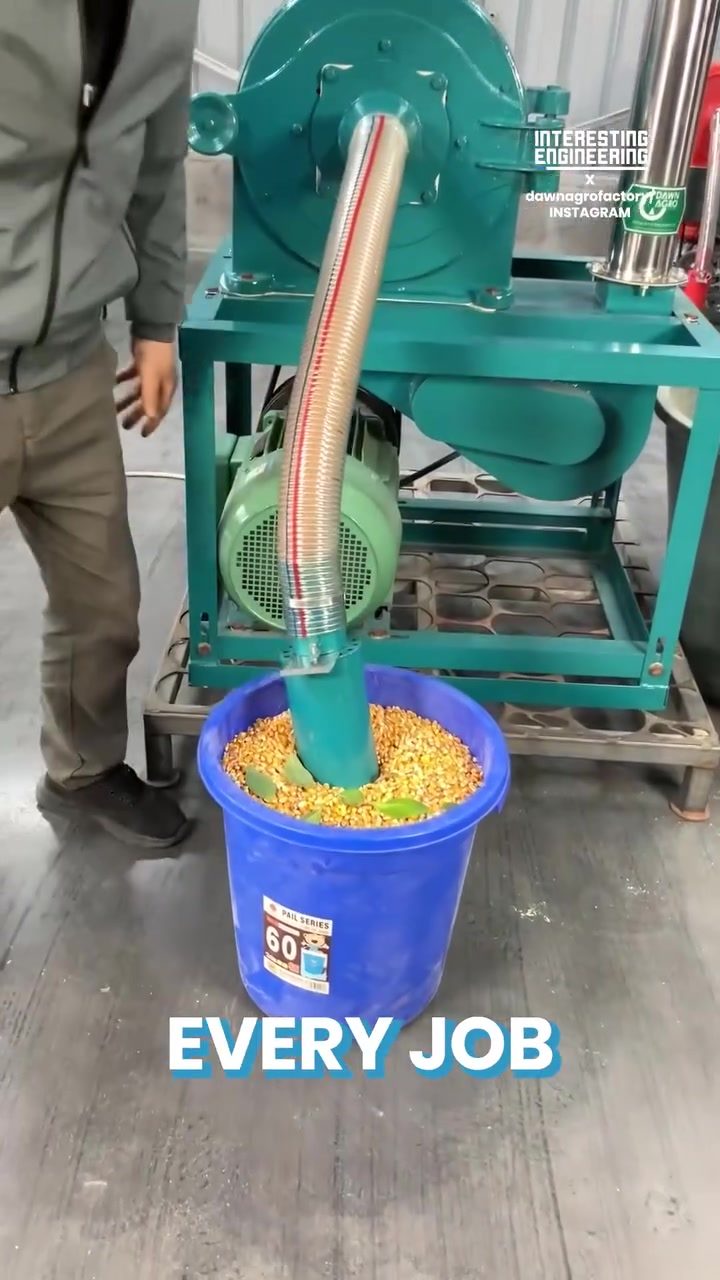
Corn Mill: Revolutionizing Corn Flour Production
Corn flour is a staple in many kitchens around the world, used in a variety of dishes from bread to porridge. Traditionally, milling corn into flour has been a labor-intensive process, often requiring significant manual effort. Enter the corn mill, a modern marvel designed to simplify this task. This ingenious tool not only reduces the physical effort needed but also enhances the efficiency and consistency of corn flour production.
Why This Matters
For both home cooks and small-scale producers, a reliable corn mill is a game-changer. It eliminates the need for manual grinding, which can be time-consuming and physically demanding. Additionally, a well-designed corn mill ensures a more uniform grind, which is crucial for achieving the desired texture and quality in baked goods and other dishes.
The Modern Corn Mill
How It Works
A corn mill typically consists of a hopper where the corn kernels are fed, a grinding mechanism that pulverizes the kernels, and a collection bowl to hold the resulting flour. The process is straightforward: pour the corn kernels into the hopper, turn on the machine, and watch as the grinding mechanism converts the raw kernels into fine flour. The efficiency of this process is remarkable, turning what was once a lengthy task into a quick and straightforward operation.
The grinding mechanism in a corn mill is usually cylindrical, designed to break down the corn kernels evenly. This design ensures that the resulting flour is consistent in texture, which is essential for baking and cooking.
Key Components
- Hopper: This is where you pour the corn kernels.
- Grinding Mechanism: The heart of the machine, responsible for turning the kernels into flour.
- Collection Bowl: This catches the flour as it is ground, making it easy to collect and use immediately.
Practical Tips for Using a Corn Mill
Choosing the Right Mill
When selecting a corn mill, consider the following factors:
- Capacity: Determine how much flour you need to produce. Some mills are designed for small-scale use, while others can handle larger quantities.
- Grind Settings: Look for a mill that offers adjustable grind settings. This allows you to control the coarseness of the flour, which can be crucial for different recipes.
- Durability: Opt for a mill made from durable materials. Stainless steel or high-quality plastic are good choices, as they are resistant to wear and tear.
Maintenance Tips
To keep your corn mill in optimal condition:
- Clean Regularly: After each use, clean the hopper and grinding mechanism to remove any residual flour. This prevents buildup and ensures the mill continues to function smoothly.
- Store Properly: Store the mill in a dry place to prevent rust and other damage. If the mill has detachable parts, consider storing them separately to prevent dust accumulation.
Important Takeaways
- Efficiency: A corn mill significantly reduces the time and effort required to produce corn flour.
- Consistency: The grinding mechanism ensures a uniform texture, which is vital for high-quality flour.
- Versatility: Many corn mills offer adjustable grind settings, making them suitable for a variety of recipes.
Conclusion
The corn mill is a revolutionary tool that has transformed the way we process corn flour. By simplifying the milling process and ensuring a consistent, high-quality product, it has become an indispensable tool for both home cooks and small-scale producers. Whether you're a baking enthusiast or a farmer looking to add value to your crop, a corn mill is a worthwhile investment. Embrace this modern innovation and elevate your culinary endeavors to new heights.
Watch the Reel
Questions readers ask
What is a corn mill and how does it work?
A corn mill is a machine designed to grind corn kernels into flour. It works by using mechanical force to break down the corn into a fine, consistent powder. This process is much faster and more efficient than traditional manual methods, which often require a great deal of physical effort.
What are the benefits of using a corn mill for home cooks?
A corn mill offers several advantages for home cooks. It simplifies the corn flour milling process, saving time and reducing physical strain. Additionally, it provides a more consistent and uniform grind, which can enhance the quality of various dishes.
Can a corn mill improve the efficiency of small-scale corn flour production?
Absolutely. A corn mill can significantly enhance the efficiency of small-scale corn flour production. It eliminates the need for manual grinding, allowing for faster processing and increased output. This makes it an ideal tool for small-scale producers looking to streamline their operations.
How does a corn mill compare to traditional corn milling methods?
Traditional corn milling methods, such as using a mortar and pestle or a manual grinder, can be labor-intensive and time-consuming. In contrast, a corn mill automates the process, making it much quicker and less physically demanding. The result is a more consistent grind and a more efficient milling process.
What types of dishes can be made with corn flour produced by a corn mill?
Corn flour produced by a corn mill can be used in a wide variety of dishes. It is commonly used in bread, tortillas, porridge, and various baked goods. The consistent grind achieved by a corn mill ensures that these dishes have a uniform texture and better overall quality.
What are some key features to look for in a corn mill?
When choosing a corn mill, look for features such as adjustable grinding settings to achieve the desired consistency, durable construction for long-lasting use, and ease of cleaning to maintain hygiene. Additionally, consider the mill's capacity and power to ensure it meets your production needs.
How can a corn mill be integrated into an existing kitchen setup?
Integrating a corn mill into an existing kitchen setup is straightforward. Most corn mills are compact and can be placed on a countertop or table. Ensure you have enough space for the mill and easy access to electricity if the mill is powered. Some models can also be mounted for a more permanent setup.
Recent articles
Fresh deep dives from the latest Reels we unpacked.




Comments
Be the first to comment.