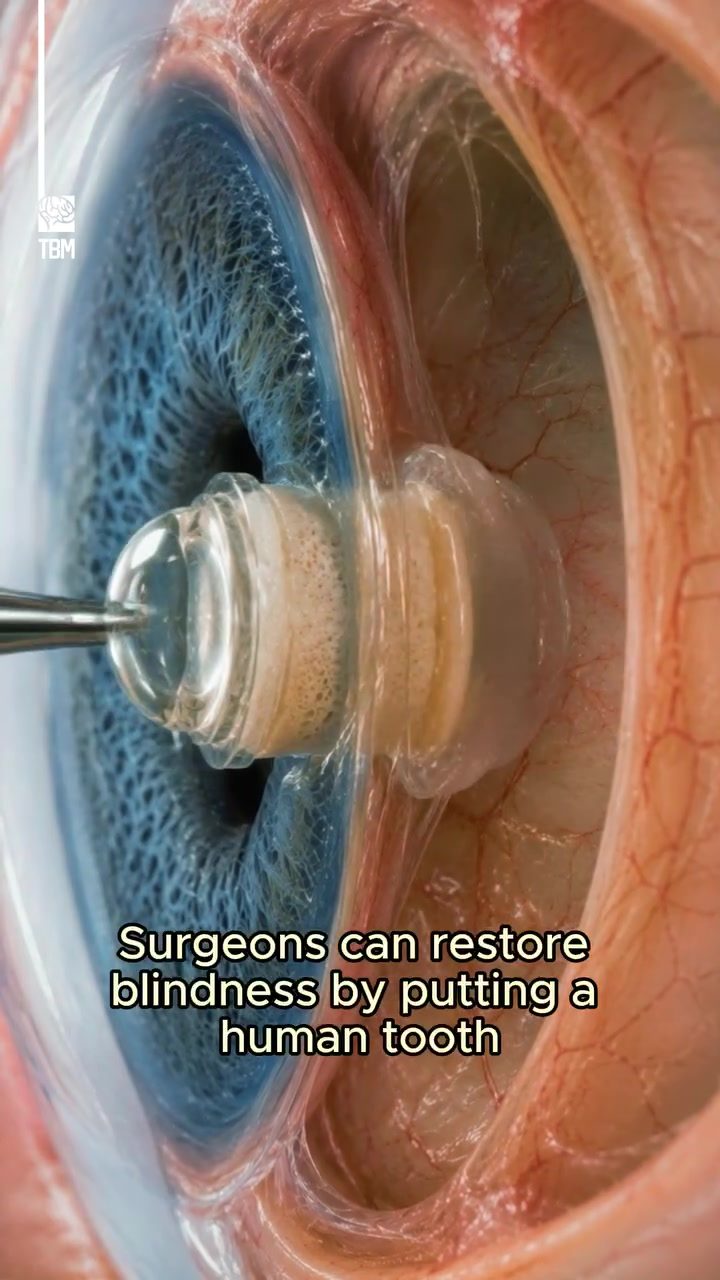
Osteo-Odonto-Keratoprosthesis (OOKP): Using Teeth to Restore Sight
Osteo-Odonto-Keratoprosthesis, or OOKP, is a remarkable medical procedure that employs a patient's own tooth to restore vision in cases of severe corneal damage.
Why this matters
Corneal damage, often resulting from injury, infection, or degenerative diseases, can lead to severe vision loss or blindness. Traditional treatments, such as corneal transplants, may not always be effective, especially in cases of severe damage or repeated transplant failures. OOKP offers a unique and often successful alternative for patients who have exhausted other options.
Main discussion
The procedure: A blend of biology and technology
OOKP involves a intricate blend of biological material and advanced medical technology. The procedure begins with the extraction of one of the patient's teeth, typically a premolar or canine. The tooth is then carefully prepared and shaped into a tiny support frame. A plastic lens is placed inside this tooth, creating a tooth-lens combination that will serve as a new optical system for the damaged eye.
The tooth, being a part of the patient's own body, is a biocompatible material. This means it is less likely to be rejected by the body, unlike synthetic materials used in other procedures. The tooth, being biological, has a natural blood supply and nourishment from the body's own tissues, making it an incredibly stable support for the artificial lens.
The science behind OOKP
The success of OOKP lies in its use of biological material. The tooth, being a part of the patient's own body, is a living tissue that integrates naturally into the eye. This integration is crucial for the stability of the artificial lens. The tooth's biological nature ensures that it is well-supplied with blood, providing a stable and nourishing environment for the lens.
The lens used in OOKP is typically made of a lightweight, durable plastic material. It is designed to focus light onto the retina, much like a natural lens. The combination of the tooth and the lens creates a stable, biocompatible support structure that can restore vision in patients with severe corneal damage.
Patient selection and outcomes
OOKP is primarily used for patients with severe corneal damage or those who have had repeated corneal transplant failures. It has been found to be particularly effective in restoring vision in patients who have been blind for years. The procedure has shown promising results, with many patients regaining useful vision and improving their quality of life.
Practical tips
For patients considering OOKP
If you or someone you know is considering OOKP, it's essential to consult with an ophthalmologist experienced in the procedure. Here are a few practical tips to consider:
- Evaluate your eligibility: OOKP is not suitable for everyone. Discuss your medical history and current condition with your doctor. You'll want to ensure that you will get the best possible outcome.
- Understand the risks: As with any surgical procedure, OOKP carries certain risks. These can include infection, rejection, and other complications. Make sure you fully understand these risks before proceeding. You will want to be aware of what needs to happen to protect the tooth-lens combination from further damage.
- Prepare for a lengthy recovery: The healing process after OOKP can be lengthy. Be prepared for a period of recovery and follow your doctor's instructions carefully to ensure the best possible outcome. You will need time to adjust to your new sight and the changes in your vision.
- Seek support: Living with severe vision loss can be challenging. Seek support from friends, family, and support groups. They can provide emotional and practical support throughout your journey.
For healthcare professionals
If you are a healthcare professional considering offering OOKP, here are a few tips:
- Training and experience: OOKP is a complex procedure that requires specialized training and experience. Ensure that you have the necessary training and experience before performing the procedure.
- Patient selection: Carefully select patients for OOKP. It is not suitable for everyone, and patient selection is crucial for successful outcomes.
- Follow-up care: Provide diligent follow-up care to monitor the patient's progress and address any complications that may arise. Regular check-ups and follow-up appointments are essential for ensuring the best possible outcome.
Important takeaways
OOKP is a unique and promising procedure for restoring vision in patients with severe corneal damage. The use of a patient's own tooth as a support for an artificial lens offers a stable and biocompatible solution. While it is not suitable for everyone, it has shown promising results in restoring vision in patients who have been blind for years.
The success of OOKP lies in its use of biological material and advanced medical technology. The procedure is complex and requires specialized training and experience. However, for those who are suitable candidates, it can offer a new lease on life.
Conclusion
OOKP represents a fascinating intersection of biology and technology in the field of ophthalmology. By utilizing a patient's own tooth as a support for an artificial lens, this procedure offers a unique and often successful solution for patients with severe corneal damage. While it is not without its risks and challenges, the potential benefits for patients who have exhausted other options make it a valuable addition to the field of vision restoration. As research and technology continue to advance, the future of OOKP holds even more promise for those seeking to regain their sight.
Watch the Reel
Questions readers ask
What is Osteo-Odonto-Keratoprosthesis (OOKP) and how does it work?
Osteo-Odonto-Keratoprosthesis (OOKP) is a surgical procedure that uses a patient's own tooth to create a framework for an artificial lens, thereby restoring vision. The tooth is implanted into the eye to support the lens, providing a stable and biocompatible structure for the optical component, which replaces the damaged cornea.
Who is a suitable candidate for the OOKP procedure?
OOKP is typically considered for individuals who have experienced severe corneal damage or have failed multiple corneal transplants. Patients with conditions such as corneal scarring, Stevens-Johnson syndrome, or ocular surface disease may be good candidates for this procedure.
What are the advantages of using a tooth as a biocompatible lens support?
Using a tooth as a biocompatible lens support offers several advantages. Teeth are readily available, strong, and naturally integrate well with the body, reducing the risk of rejection. Additionally, the tooth provides a stable platform for the artificial lens, enhancing the overall effectiveness of the procedure.
How long does the OOKP procedure take and what is the recovery process like?
The OOKP procedure is typically performed in multiple stages and can take several months to complete. The initial stage involves preparing the tooth and implanting it into the eye. Subsequent stages include fitting the artificial lens and allowing for healing. Recovery can be lengthy, often requiring several months of postoperative care and monitoring to ensure proper integration and vision improvement.
What are the potential risks and complications associated with OOKP?
Like any surgical procedure, OOKP carries certain risks. Potential complications include infection, inflammation, and issues with the integration of the tooth and lens. Patients may also experience vision changes, such as glare or halo effects, and may require additional surgeries to address these issues. Regular follow-ups with the ophthalmologist are crucial to manage any potential complications.
How successful is the OOKP procedure in restoring vision?
The success rate of OOKP can vary depending on the individual's condition and the severity of the corneal damage. However, many patients experience significant improvements in vision, allowing them to regain functional sight. Success is often measured by the stability of the implant and the patient's ability to perform daily activities with improved vision.
Are there any alternatives to OOKP for treating severe corneal damage?
For patients with severe corneal damage, traditional treatments such as corneal transplants are often the first line of defense. However, in cases where multiple transplants have failed, or the damage is too severe, OOKP offers a viable alternative. Other emerging technologies, such as artificial corneas and stem cell therapies, are also being explored as potential solutions.
Related deep dives
Similar reads based on topic and creator.

Recent articles
Fresh deep dives from the latest Reels we unpacked.




Comments
Be the first to comment.