A New Chapter in the Fight Against Diabetes
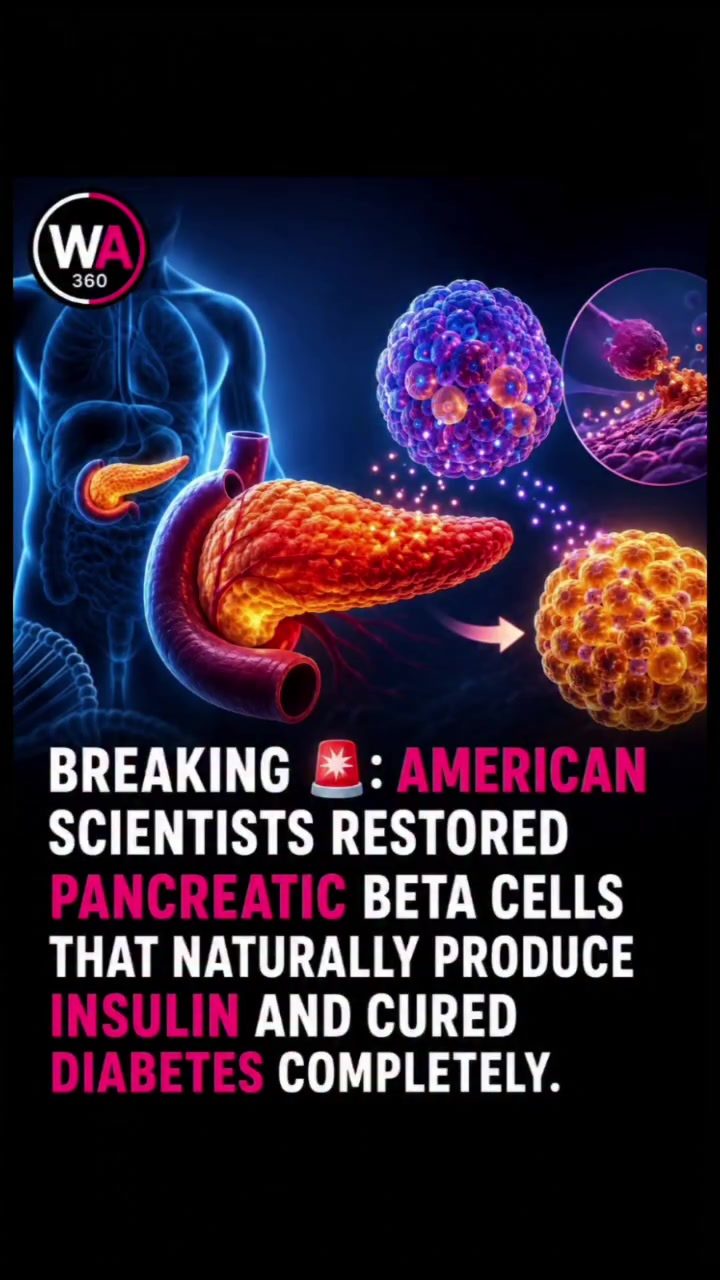
Diabetes is a chronic condition that affects millions of people worldwide, characterized by the body's inability to produce or effectively use insulin. Recent advancements in medical research have brought a renewed sense of hope, particularly in the realm of pancreatic beta cells—the cells responsible for naturally producing insulin. American scientists have made significant strides in restoring these cells, marking a major milestone in regenerative medicine.
The Role of Pancreatic Beta Cells
Pancreatic beta cells play a crucial role in the body's glucose metabolism. Located within the pancreas, these cells produce and secrete insulin, a hormone essential for regulating blood sugar levels. In individuals with type 1 diabetes, the immune system attacks and destroys these beta cells, leading to insulin deficiency. Type 2 diabetes, on the other hand, often involves insulin resistance and a relative deficiency of insulin.
Claim of a Breakthrough
Recent claims suggest that American scientists have successfully restored pancreatic beta cells, enabling them to naturally produce insulin again. This development is a significant step forward in the search for a cure for diabetes. The restoration of beta cells could potentially reduce the reliance on exogenous insulin therapy, which is currently the standard treatment for many diabetics. This advancement opens the door to a more natural and potentially more effective management of the disease.
The Journey Towards a Cure
While the restoration of pancreatic beta cells is a promising development, it is important to note that diabetes has not yet been completely cured. The current state of research indicates that further clinical trials and long-term studies are necessary to establish the safety and effectiveness of this approach. Only then can it become a widely available treatment option.
Clinical trials are essential in validating the efficacy and safety of new medical treatments. These trials involve testing the therapy on a controlled group of patients to monitor its effects and potential side effects. Long-term studies are equally important, as they provide insights into the sustainability and long-lasting benefits of the treatment.
The Future of Diabetes Care
The future of diabetes care looks increasingly promising, thanks to ongoing research and innovation. The restoration of pancreatic beta cells represents just one of many breakthroughs in regenerative medicine that could transform how chronic diseases are managed. As researchers continue their work, the possibility of finding a cure for diabetes becomes more attainable.
One of the most significant benefits of such innovations is the potential reduction in the reliance on insulin therapy. Traditional insulin therapy, while effective, can be cumbersome and demanding for patients, requiring regular injections and careful monitoring of blood sugar levels. A more natural, sustained production of insulin could greatly improve the quality of life for millions of people living with diabetes.
Addressing Misconceptions
It's crucial to address common misconceptions about this breakthrough. The restoration of pancreatic beta cells does not mean an immediate cure for diabetes. While the progress is substantial, it still requires rigorous testing and validation. The journey from groundbreaking research to widespread treatment often involves years of additional study and regulatory approval.
Practical Tips for Managing Diabetes
While awaiting the next big breakthrough, it's important for individuals with diabetes to continue managing their condition effectively. Here are some practical tips:
Monitoring Blood Sugar Levels
Regular monitoring of blood sugar levels is essential. This helps in understanding how different foods, activities, and medications affect your glucose levels. Modern glucose meters and continuous glucose monitoring (CGM) systems can make this process more convenient and accurate.
Maintaining a Healthy Diet
A balanced and nutrient-rich diet is key to managing diabetes. Focus on foods with a low glycemic index, which help maintain steady blood sugar levels. These include whole grains, lean proteins, and plenty of fruits and vegetables.
Staying Active
Regular physical activity can help improve insulin sensitivity and manage blood sugar levels. Aim for at least 30 minutes of moderate exercise most days of the week. Activities like walking, swimming, and cycling are great options.
Medication Adherence
If you are on insulin or other medications, it's crucial to adhere to your prescribed regimen. Regular check-ups with your healthcare provider can help ensure that your treatment plan remains effective and up-to-date.
Mental Health and Support
Living with diabetes can be challenging, and it's important to prioritize your mental health. Seek support from friends, family, or support groups. Psychological counseling can also be beneficial for managing the emotional aspects of living with a chronic condition.
Important Takeaways
- Recent research has successfully restored pancreatic beta cells, offering hope for a more natural and effective treatment for diabetes.
- While this breakthrough is promising, it is essential to understand that more clinical trials and long-term studies are needed.
- Effective management of diabetes involves regular monitoring of blood sugar levels, maintaining a healthy diet, staying active, adhering to medication, and prioritizing mental health.
- The future of diabetes care is bright, with ongoing research and innovative treatments on the horizon.
Conclusion
The restoration of pancreatic beta cells by American scientists represents a significant milestone in the ongoing battle against diabetes. This breakthrough offers hope for a future where diabetes can be more effectively managed and potentially cured. While the journey to widespread availability of this treatment is still underway, the progress made so far is a testament to the power of medical innovation and the relentless pursuit of better healthcare solutions. As researchers continue their work, the future of diabetes care looks more promising than ever.
Watch the Reel
Questions readers ask
What are pancreatic beta cells and why are they important in diabetes?
Pancreatic beta cells are specialized cells found in the pancreas that produce and secrete insulin, a hormone crucial for regulating blood sugar levels. In people with diabetes, these cells are either destroyed (Type 1) or do not function properly (Type 2), leading to insufficient insulin production or utilization. Restoring these cells is a key focus in current diabetes research, offering potential new treatments for the disease.
What are the latest breakthroughs in diabetes treatment?
Recent advancements include significant progress in restoring pancreatic beta cells, which produce insulin. Scientists have made strides in regenerating these cells, which could reduce or even eliminate the need for external insulin therapy, providing renewed hope for those with both Type 1 and Type 2 diabetes.
How do these new treatments differ from traditional diabetes management?
Traditional diabetes management often relies on external insulin therapy, such as injections or insulin pumps, to regulate blood sugar levels. The new breakthroughs focus on restoring the body's natural insulin production by regenerating pancreatic beta cells, potentially reducing or eliminating the need for external insulin.
Are these breakthroughs applicable to both Type 1 and Type 2 diabetes?
Yes, the recent developments in restoring pancreatic beta cells apply to both Type 1 and Type 2 diabetes. While the underlying causes differ, both types involve issues with insulin production or utilization, making the restoration of these cells a promising avenue for treatment in both cases.
What role does the American diabetes association play in these advancements?
The American Diabetes Association (ADA) plays a pivotal role in supporting and funding research related to diabetes. Their efforts help drive progress in understanding and treating the disease, fostering collaborations among scientists, and promoting public awareness and support for diabetes research.
What can individuals with diabetes do to stay informed about these developments?
Individuals with diabetes can stay informed by following reputable medical journals, attending conferences or webinars hosted by organizations like the American Diabetes Association, and consulting with healthcare providers who specialize in diabetes. Additionally, many research institutions and advocacy groups offer updates and resources for those interested in the latest developments.
What are the potential benefits of restoring pancreatic beta cells for people with diabetes?
Restoring pancreatic beta cells could significantly improve the quality of life for people with diabetes. By enabling the body to produce insulin naturally, this approach may reduce or eliminate the need for daily insulin injections, lower the risk of complications associated with diabetes, and provide a more sustainable and physiological way to manage the condition.
Related deep dives
Similar reads based on topic and creator.


Recent articles
Fresh deep dives from the latest Reels we unpacked.




Comments
Be the first to comment.