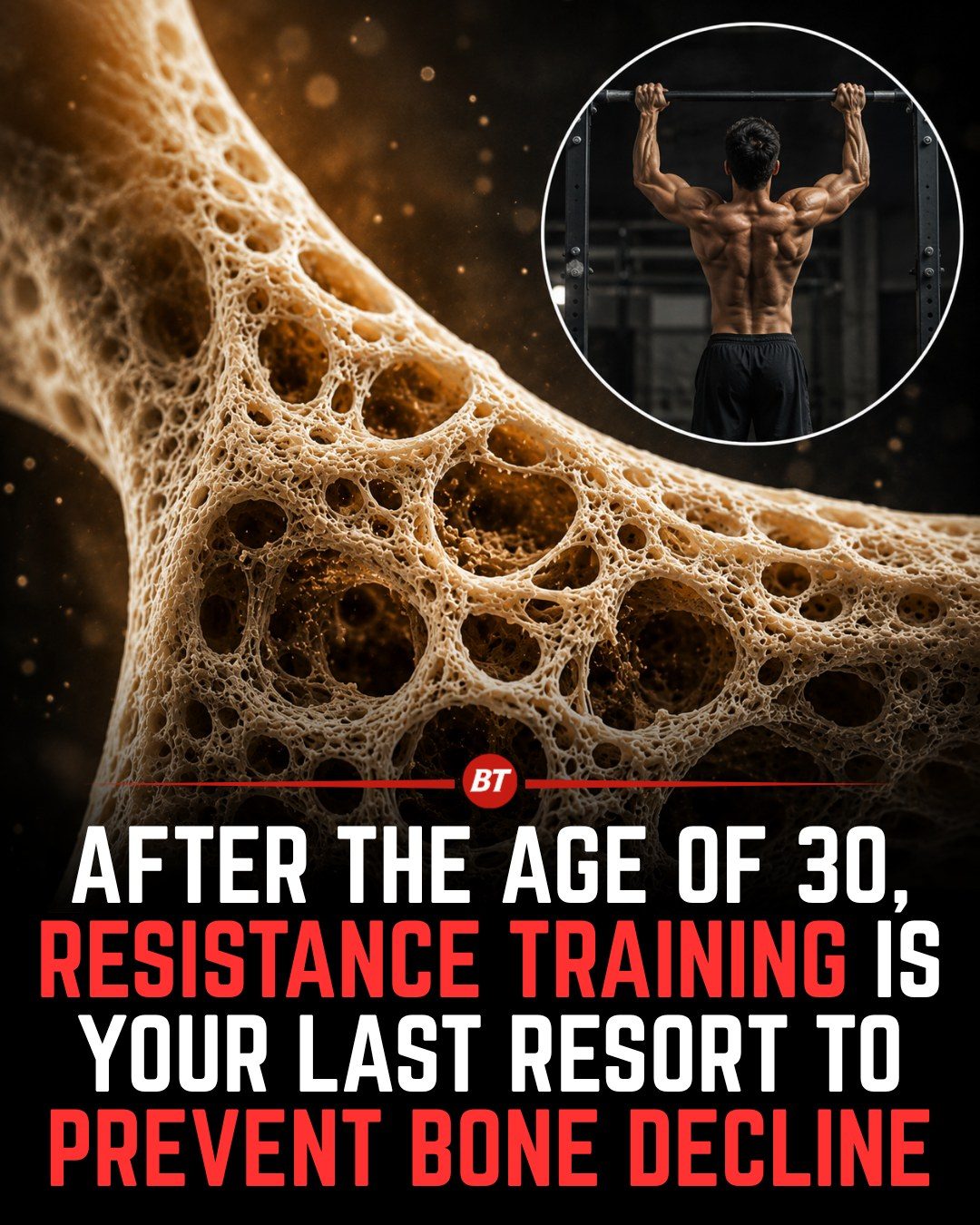
Resistance Training and Bone Health
Starting around age 30, the body begins to lose bone tissue faster than it can be replaced. This gradual decline in bone mineral density can increase the risk of fractures, particularly if the skeleton isn't regularly challenged. While activities like walking, yoga, and Pilates are excellent for flexibility, balance, and overall well-being, resistance training stands out as one of the most effective ways to maintain bone strength.
Why This Matters
Bone health is a critical aspect of overall fitness, especially as we age. After 30, the body's natural process of bone turnover shifts from building to breaking down, making it essential to incorporate exercises that stimulate bone growth. Resistance training, which includes lifting weights and performing bodyweight exercises, plays a pivotal role in this process.
The Role of Resistance Training
Resistance training places mechanical stress on the bones, which stimulates specialized bone-forming cells. These cells then work to reinforce and remodel the skeleton, helping to maintain bone density. This form of exercise is particularly beneficial for critical areas like the hips and spine, which are most vulnerable to age-related fractures.
Benefits Beyond Bone Density
In addition to maintaining bone density, resistance training offers a multitude of benefits:
- Muscle Strength: It builds stronger muscles, which can improve overall physical performance and make daily activities easier.
- Coordination: It enhances coordination and balance, reducing the risk of falls and injuries.
- Mobility: By strengthening the bones and muscles, it supports lifelong mobility and independence.
Incorporating Resistance Training
To maximize the benefits of resistance training for bone health, consider the following tips:
- Frequency: Aim for 2–3 resistance training sessions per week.
- Variety: Use a mix of free weights, resistance bands, machines, and bodyweight exercises. Effective bodyweight exercises include squats, lunges, push-ups, and rows.
- Nutrition: Pair your workouts with adequate protein, calcium, and vitamin D to support bone health.
- Activity: Incorporate regular weight-bearing activities, such as walking or running, to further support your bones.
Practical Tips
Getting started with resistance training can be straightforward. Here are some actionable steps to help you integrate it into your fitness routine:
- Start Slow: If you’re new to resistance training, begin with lighter weights or bodyweight exercises and gradually increase the intensity.
- Form Matters: Proper form is crucial to avoid injuries and maximize benefits. Consider working with a trainer or following detailed instructions to ensure correct technique.
- Consistency: Make resistance training a regular part of your exercise routine. Even a few sessions each week can yield significant benefits.
- Listen to Your Body: Pay attention to how your body responds. If you feel excessive pain or discomfort, take a break and consult a healthcare provider.
Important Takeaways
- Bone Health Matters: After 30, bone health becomes a priority. Incorporating resistance training can help maintain bone density and reduce the risk of fractures.
- Variety in Exercise: While activities like walking, yoga, and Pilates are beneficial, resistance training is essential for bone health.
- Comprehensive Benefits: Resistance training not only builds stronger bones but also enhances muscle strength, coordination, and mobility.
- Consistent Effort: Regular resistance training, paired with proper nutrition and weight-bearing activities, can support lifelong bone health.
Conclusion
Incorporating resistance training into your fitness routine is a proactive step toward maintaining bone health, especially after age 30. By placing mechanical stress on your bones, you stimulate the formation of bone-forming cells, helping to reinforce and remodel your skeleton. Make resistance training a regular part of your exercise regimen, and your bones will thank you.
Watch the Reel
Questions readers ask
Why is resistance training important for bone health after age 30?
After age 30, the body begins to lose bone tissue faster than it can be replaced, leading to a decline in bone density. Resistance training helps counteract this by stimulating bone growth and reducing the risk of fractures, making it a key component for maintaining strong bones.
What are some effective resistance training exercises for maintaining bone density?
Exercises that involve lifting weights, such as squats, deadlifts, and bench presses, are highly effective. Additionally, bodyweight exercises like push-ups, lunges, and pull-ups can also help maintain and improve bone density.
How often should I do resistance training to maintain bone strength?
Aim for at least two to three resistance training sessions per week. Each session should target major muscle groups and include a variety of exercises to ensure overall bone health and fitness.
Can I maintain bone strength without using weights?
While using weights is beneficial, bodyweight exercises can also be effective. Exercises like squats, lunges, and push-ups use your own body weight as resistance and can help maintain and improve bone density.
What role does resistance training play in reducing fracture risk?
Resistance training plays a crucial role in reducing fracture risk by strengthening bones. It enhances bone mineral density, making bones denser and more resilient, which in turn lowers the likelihood of fractures.
How does resistance training differ from other exercises in promoting bone health?
Unlike other exercises that focus on flexibility or cardiovascular health, resistance training directly targets bone growth. It stimulates bone-forming cells and helps the body maintain a high level of bone density.
Can resistance training after 30 help reverse bone loss?
While resistance training cannot entirely reverse bone loss, it can significantly slow down the process and even help rebuild some bone tissue. Regular resistance training can lead to improved bone mineral density over time, especially when combined with a balanced diet.
Related deep dives
Similar reads based on topic and creator.



Recent articles
Fresh deep dives from the latest Reels we unpacked.




Comments
Be the first to comment.