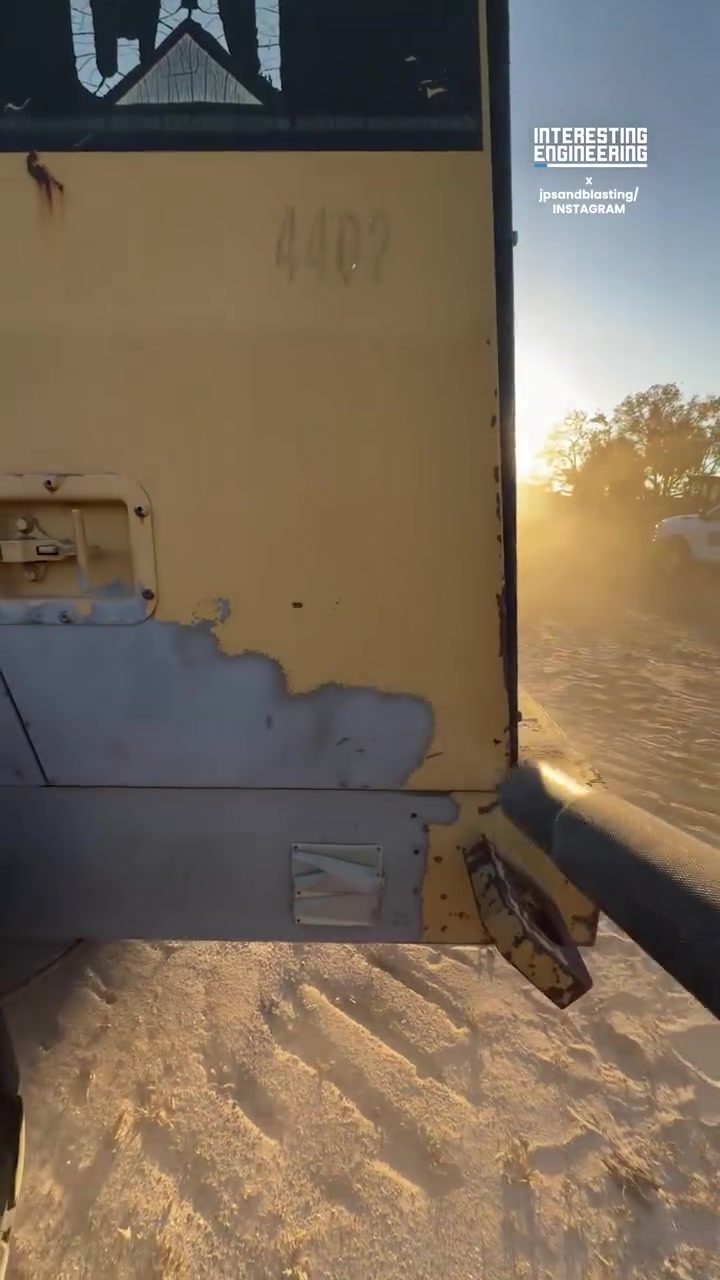
Dry Blasting: The Key to Renewing Heavy Construction Equipment
Dry blasting is a crucial process in the maintenance and renewal of heavy construction equipment, particularly Caterpillar (CAT) road rollers. This technique is essential for preparing equipment surfaces for repainting and ensuring longevity and performance.
Why Dry Blasting Matters
Heavy construction equipment like road rollers operate in harsh environments, subjecting them to wear and tear, corrosion, and the buildup of old paint. Over time, these factors can deteriorate the equipment's structural integrity and performance. Dry blasting is a method used to remove old paint, rust, and corrosion from the metal surfaces, ensuring a clean and ready-to-paint surface. It involves propelling abrasive media at high speeds to strip coatings effectively. This process not only enhances the equipment's appearance but also extends its lifespan by preventing further corrosion.
The Dry Blasting Process
Preparation and Equipment
Before beginning the dry blasting process, the equipment must be prepared. This includes:
- Clearing the Area: Ensuring the workspace is free from debris and other hazards.
- Safety Measures: Wearing appropriate personal protective equipment (PPE), including goggles, gloves, and protective clothing.
- Selecting the Right Abrasive Media: Choosing the right type of abrasive media is crucial. Common options include silica sand, aluminum oxide, and glass beads, each suited for different surfaces and levels of corrosion.
The Blasting Procedure
Once prepared, the dry blasting process can begin:
- Propelling Abrasive Media: The chosen abrasive media is propelled at high speeds using specialized equipment. This high-velocity impact effectively strips away old paint, rust, and corrosion.
- Cleaning the Metal Surface: The high-pressure blasting process cleans the metal surface, removing any contaminants and ensuring a clean surface ready for priming and repainting.
- Preparing for Repainting: After the surface is cleaned, it is primed to create a barrier against future corrosion and to promote better adhesion of the new paint layer.
Surface Cleaning and Preparation
Cleaning and preparing the metal surface are critical steps in the dry blasting process. This ensures the equipment is ready for the next stages of maintenance, such as priming and repainting. After the dry blasting process, any remaining residue or dust is removed, and the surface is inspected for any missed spots. Once the surface is clean and dry, a primer is applied to enhance adhesion and provide an additional layer of protection.
Benefits of Dry Blasting
Dry blasting offers several benefits for heavy construction equipment:
- Improved Durability: By removing old paint and corrosion, dry blasting helps prevent further degradation, extending the equipment's lifespan.
- Enhanced Performance: Clean, well-maintained surfaces improve the equipment's performance and reduce the risk of mechanical failures.
- Cost-Effective: Regular maintenance through dry blasting reduces the need for more extensive and costly repairs in the future, saving both time and money.
- Environmentally Friendly: Unlike wet blasting, dry blasting does not involve water, making it a more environmentally friendly option.
Practical Tips
When performing dry blasting, consider the following practical tips to ensure a successful outcome:
- Choose the Right Abrasive Media: Different abrasives are suitable for various surfaces and levels of corrosion. For example, silica sand is effective for general cleaning, while glass beads are gentler for delicate surfaces.
- Proper Ventilation: Ensure the workspace is well-ventilated to prevent the accumulation of dust and debris.
- Safety First: Always wear appropriate PPE, including eye protection, gloves, and protective clothing, to safeguard against flying debris and dust.
- Inspect the Surface: After blasting, thoroughly inspect the surface for any missed spots or remaining residue. Clean the surface if necessary before applying primer.
Important Takeaways
- Dry blasting is essential for renewing heavy construction equipment, such as road rollers, by removing old paint and corrosion.
- Proper preparation, including PPE, selecting the right abrasive media, and ensuring a clean workspace, is critical for effective dry blasting.
- The process involves propelling abrasive media at high speeds to clean the metal surface, preparing it for priming and repainting.
- Regular maintenance through dry blasting improves equipment durability, performance, and cost-effectiveness.
Conclusion
Dry blasting is a vital process in the maintenance and renewal of heavy construction equipment. By effectively removing old paint, rust, and corrosion, it prepares the surface for repainting, enhancing the equipment's durability and performance. Following the proper procedures and safety measures ensures a successful outcome, extending the lifespan of valuable assets and reducing future maintenance costs. Whether maintaining a CAT road roller or any other heavy machinery, dry blasting is an indispensable technique for ensuring long-term reliability and performance.
Watch the Reel
Questions readers ask
What is dry blasting and why is it important for CAT road roller maintenance?
Dry blasting is a technique that uses abrasive media propelled at high speeds to clean surfaces. For CAT road rollers, it's crucial as it removes old paint, rust, and corrosion, extending the equipment's lifespan and ensuring smooth operation.
How does dry blasting prepare CAT road roller surfaces for repainting?
Dry blasting prepares surfaces by thoroughly removing all contaminants like rust, old paint, and corrosion. This creates a clean, rough surface that allows new paint to adhere better, ensuring a durable and long-lasting finish.
What types of abrasive media are commonly used in the dry blasting process?
Common abrasive media include sand, soda, and steel grit. The choice depends on the type of contaminant and the material of the equipment. For CAT road rollers, steel grit is often preferred due to its effectiveness in removing rust and corrosion.
Can dry blasting be used for other heavy construction equipment, or is it specific to CAT road rollers?
Dry blasting is not limited to CAT road rollers; it can be used for various types of heavy construction equipment. Any equipment that operates in harsh environments and is subject to rust and corrosion can benefit from this maintenance technique.
How often should dry blasting be performed on CAT road rollers?
The frequency of dry blasting depends on the operating conditions and the level of wear. As a general guideline, CAT road rollers operating in severe conditions may require dry blasting every 1-2 years, while those in milder conditions might need it every 3-5 years.
What are the advantages of dry blasting over other cleaning methods for CAT road rollers?
Dry blasting offers several advantages, including thorough cleaning, improved paint adhesion, and extended equipment lifespan. Unlike chemical methods, dry blasting is environmentally friendly and does not leave behind harmful residue.
What safety precautions should be taken during the dry blasting process?
Safety measures include wearing appropriate personal protective equipment (PPE) such as goggles, gloves, and protective clothing. Additionally, ensure proper ventilation and containment to prevent the dispersal of abrasive media and dust.
Recent articles
Fresh deep dives from the latest Reels we unpacked.




Comments
Be the first to comment.