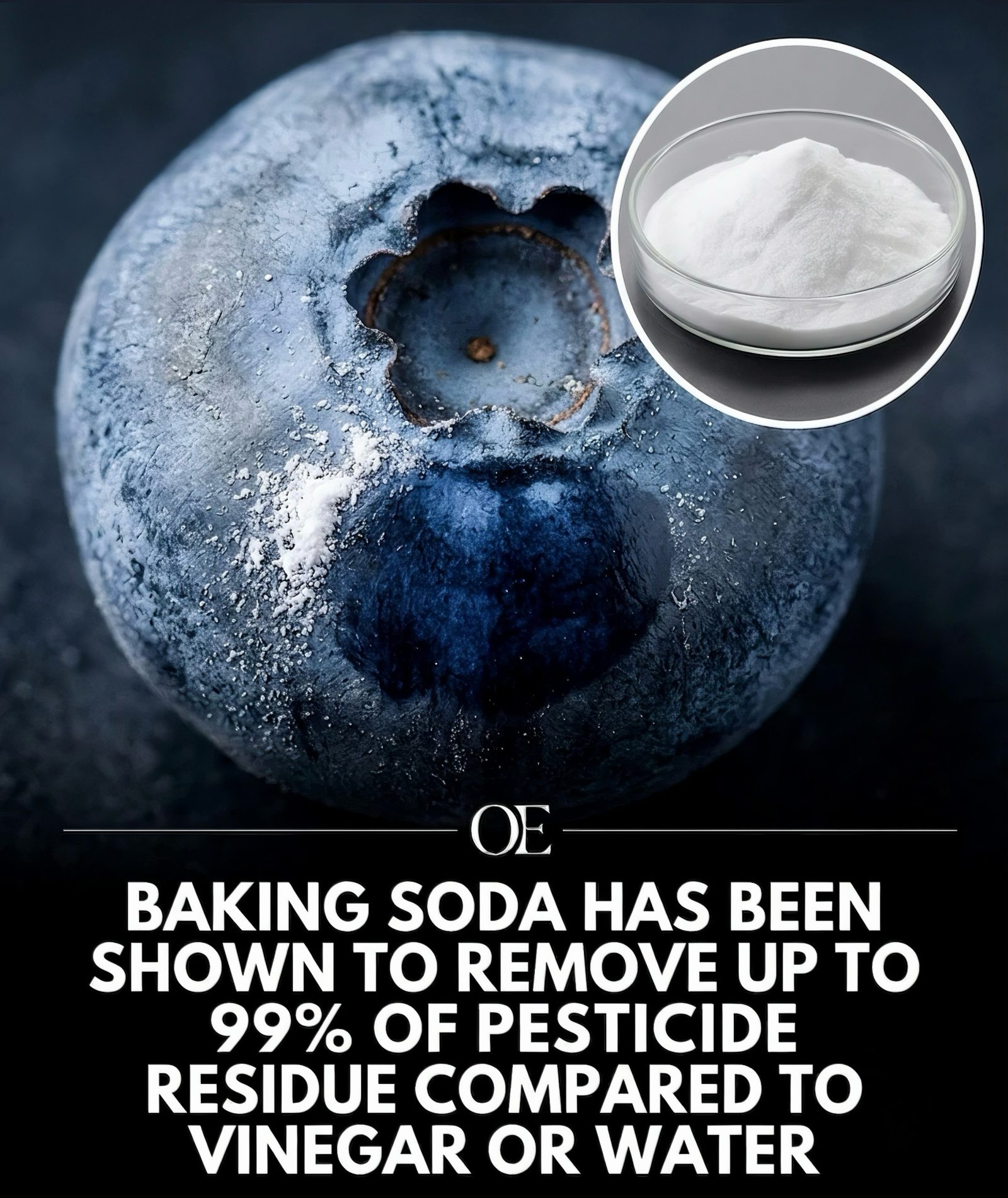
Baking soda is a common household item, but did you know that it's also an effective way to remove pesticide residues from your produce? This simple, inexpensive method can help ensure that the fruits and vegetables you consume are clean and safe.
Context / Why this matters
Pesticides are widely used in agriculture to protect crops from pests and diseases. However, it’s more important than ever to know how to remove pesticides from produce. While these chemicals are essential for maintaining crop yields, they can leave harmful residues on the surface of fruits and vegetables. These residues can be ingested when we consume the produce, potentially posing health risks over time.
Main discussion
The Science Behind Baking Soda
Why Baking Soda?
Baking soda, or sodium bicarbonate, is highly alkaline. This alkalinity is key to its effectiveness in removing pesticide residues. Agricultural pesticides are designed to withstand rain, so standard tap water simply rolls off the surface of produce without dissolving the chemicals. Vinegar, while excellent for neutralizing bacteria and mold, lacks the specific chemical properties needed to break down these compounds.
Baking soda, on the other hand, can actively degrade the chemical bonds of many common pesticides. It breaks them down into harmless, water-soluble molecules that easily wash away. This makes baking soda more effective than both water and vinegar for removing pesticide residues from produce.
Comparison with Other Methods
Water
Using plain tap water to rinse produce is a common practice, but it's not very effective. Pesticides are designed to be water-resistant, so a simple rinse under the tap won't remove them. Water can only help wash away visible dirt and debris, not the invisible pesticide residues.
Vinegar
Vinegar is a popular natural cleaning agent known for its antibacterial and antifungal properties. While it can neutralize bacteria and mold, it doesn't have the chemical properties needed to break down pesticide residues. Vinegar's acidic nature might even react with some pesticides, leaving behind harmful byproducts. Using baking soda is proven to be a better solution for removing pesticide residues.
Practical Tips
Step-by-Step Baking Soda Bath
To ensure your produce is as clean as possible, follow these steps to create a baking soda bath:
- Prep the Bath: Fill a large, clean bowl with fresh water.
- Mix the Solution: Add 1 teaspoon of baking soda for every 2 cups of water and stir until fully dissolved. This creates a gentle, alkaline solution that can effectively degrade pesticide residues.
- The Soak: Gently submerge your fruit in the solution and let it soak for 12 to 15 minutes. This soaking time allows the alkaline chemical reaction to fully degrade the pesticide bonds. This method works wonders for fruits like blueberries, apples, strawberries, and grapes.
- The Final Rinse: After soaking, drain the baking soda water and give your fruit a thorough, final rinse under cold tap water. This step washes away the broken-down pesticide residues.
- Dry & Store: Pat your fruit dry with a clean kitchen towel before storing it in the fridge. This helps prolong its shelf life and maintain freshness.
Tips for Efficient Cleaning
- Soak for the Right Amount of Time: Baking soda needs time to react with the pesticide residues. Don't rush the soaking process; 12 to 15 minutes is ideal.
- Use Fresh Water: Always start with fresh, clean water for the best results.
- Avoid Overcrowding: Make sure the fruit is fully submerged in the solution. Overcrowding the bowl can prevent some items from being fully cleaned.
Important takeaways
Baking soda is a simple, cost-effective, and highly effective method for removing pesticide residues from produce. By following the outlined steps, you can significantly reduce the amount of harmful chemicals on your fruits and vegetables, ensuring they are cleaner and safer to consume.
Conclusion
Incorporating a baking soda wash into your produce cleaning routine is a straightforward way to enhance the safety of your food. This method not only removes pesticide residues but also provides peace of mind, knowing that your family is consuming cleaner, healthier fruits and vegetables.
Watch the Reel
Questions readers ask
Why is baking soda more effective than water or vinegar for removing pesticides from fruit?
Baking soda is more effective due to its alkaline properties, which break down the chemical bonds of many common pesticides. While water can remove some surface residues, and vinegar can help with certain types of bacteria, baking soda targets the pesticide compounds more effectively.
What is the best way to use baking soda to remove pesticides from fruit?
To create a baking soda fruit wash, mix one teaspoon of baking soda with two cups of water. Soak your fruits and vegetables in this solution for 12-15 minutes, gently scrubbing them with a brush if necessary. After soaking, rinse thoroughly with tap water to remove any remaining residue.
Can I use the baking soda fruit wash method on all types of produce?
The baking soda method is generally safe for most fruits and vegetables. However, it's best to avoid using it on delicate produce like berries or leafy greens, as the solution can cause them to become soggy. For these items, a gentle rinse with water is recommended.
How long does it take for baking soda to break down pesticide bonds?
The process of breaking down pesticide bonds with baking soda typically takes about 12-15 minutes of soaking. This duration allows the alkaline properties of baking soda to effectively interact with and degrade the pesticide residues on the surface of the produce.
Is it safe to consume fruit immediately after using the baking soda wash?
Yes, it is safe to consume fruit immediately after using the baking soda wash. Just make sure to rinse the fruit thoroughly with tap water after soaking to remove any remaining baking soda residue. This ensures that the fruit is clean and ready to eat.
Can I reuse the baking soda solution for multiple uses?
It is not recommended to reuse the baking soda solution. Fresh solution ensures optimal effectiveness in breaking down pesticide residues. Additionally, reusing the solution can lead to cross-contamination between different types of produce.
How does baking soda compare to commercial fruit and vegetable washes?
Baking soda is a natural and chemical-free alternative to commercial fruit and vegetable washes. It is just as effective, if not more so, in removing pesticide residues and is a more cost-effective solution. Plus, it's a common household item, making it readily accessible.
Related deep dives
Similar reads based on topic and creator.


Recent articles
Fresh deep dives from the latest Reels we unpacked.




Comments
Be the first to comment.