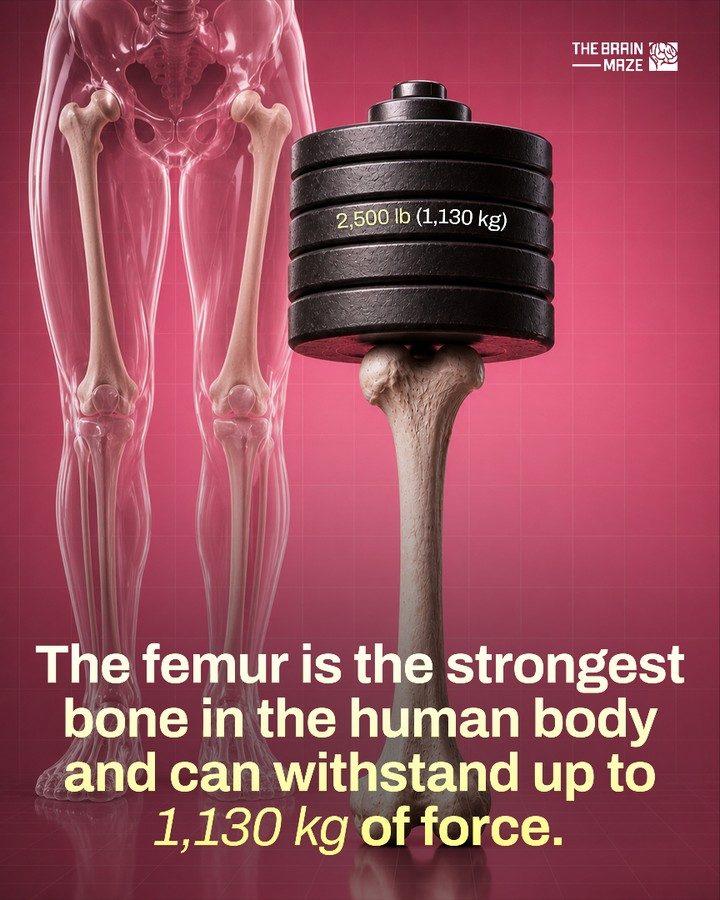
The femur is the most robust and sizable bone in the human body, capable of withstanding up to 2,500 pounds (1,130 kg) of force before fracturing. This remarkable strength is due to its dense internal structure and thick outer layer, which together support the body during various activities, from walking to running and jumping. However, despite its formidable resilience, the femur is not invincible; severe trauma such as major falls or high-speed car crashes can still result in fractures.
Understanding the Femur
Most of the body's weight rests on the femur, making it a critical component for mobility and overall structural integrity. The femur, also known as the thighbone, extends from the hip to the knee and is composed of a thick, hard outer layer called the cortical bone. This layer is dense and provides most of the bone's strength. Inside, the femur contains a spongy, porous bone called trabecular bone, which is lighter and less dense than cortical bone. This internal structure gives the femur both strength and flexibility.
To understand the femur's strength, it's helpful to compare it to other bones in the body. While the femur is the strongest, other bones like the humerus (upper arm) and tibia (shinbone) also play crucial roles in supporting the body and facilitating movement. However, none of these bones can match the femur's combination of size and strength.
Why This Matters
The femur's strength is crucial for daily activities and overall mobility. Its robustness allows us to perform a wide range of physical activities, from walking and running to more strenuous exercises like weightlifting and high-impact sports. This strength is essential for maintaining an active lifestyle and supporting overall health.
Moreover, understanding the femur's capabilities is vital in various fields, including sports medicine, orthopedics, and physical therapy. Athletes, for instance, need to know the limits of their bones to prevent injuries and optimize performance. Similarly, medical professionals rely on this knowledge to diagnose and treat fractures and other femur-related conditions effectively. For example, the femur's strength can prevent injuries during falls, but a fall from a significant height or a high-impact collision can still result in a fracture.
Femur Anatomy and Mechanics
Deepening into the femur's structure, it's clear how its anatomy contributes to its strength:
The Femoral Head and Neck
The femoral head is the rounded portion of the femur that fits into the acetabulum of the pelvis, forming the hip joint. The femoral neck is the narrow portion that connects the femoral head to the shaft. This area is particularly susceptible to fractures, especially in older adults. Osteoporosis, a condition that weakens bones, can increase the risk of femoral neck fractures, even with minor falls.
The Femoral Shaft
The femoral shaft is the long, cylindrical portion of the femur that provides most of its strength. It is composed of dense cortical bone and is crucial for supporting the body's weight and facilitating movement. Fractures in the femoral shaft often occur due to severe trauma, such as high-speed car crashes or falls from significant heights.
The Distal Femur
The distal femur is the portion of the bone that connects to the knee. It includes the medial and lateral condyles, which articulate with the tibia to form the knee joint. Fractures in this area can be particularly challenging to treat and may require surgical intervention.
The Proximal Femur
The proximal femur is the portion of the bone that connects to the hip. It includes the femoral head and neck, as well as the greater and lesser trochanters. These structures provide attachment points for various muscles and ligaments, which are essential for hip movement and stability.
Practical Tips for Maintaining Bone Health
While the femur is inherently strong, maintaining overall bone health is crucial for preventing fractures and ensuring long-term mobility. Here are some practical tips to keep your bones healthy and strong:
Regular Exercise
Engage in weight-bearing exercises and strength training to build and maintain bone density. Activities like walking, running, and lifting weights can help strengthen bones and reduce the risk of fractures.
Balanced Diet
Consume a balanced diet rich in calcium and vitamin D. Foods high in calcium, such as dairy products, leafy greens, and fortified plant-based milks, are essential for maintaining strong bones. Vitamin D, found in fatty fish, egg yolks, and fortified foods, helps the body absorb calcium.
Avoid Smoking and Limit Alcohol
Smoking and excessive alcohol consumption can weaken bones and increase the risk of fractures. Quitting smoking and limiting alcohol intake can significantly improve bone health.
Regular Check-ups
Regular medical check-ups can help monitor bone density and detect conditions like osteoporosis early. Early detection and treatment can prevent fractures and maintain bone health.
Fall Prevention
Implement fall prevention strategies, especially for older adults and those with osteoporosis. Installing grab bars in bathrooms, removing tripping hazards, and wearing non-slip footwear can reduce the risk of falls and fractures.
The Role of Trauma in Femur Fractures
While the femur is remarkably strong, severe trauma can still result in fractures. Understanding the types of trauma that can cause femur fractures is essential for prevention and treatment:
High-Speed Car Crashes
High-speed car crashes are a common cause of femur fractures, particularly in the femoral shaft. The force of impact can be immense, often leading to severe fractures that require immediate medical attention.
Major Falls
Major falls, especially from significant heights, can also result in femur fractures. Older adults are particularly at risk, as falls can lead to fractures in the femoral neck or distal femur. Prevention strategies, such as fall-proofing the home and regular strength training, can help reduce the risk.
Sports Injuries
High-impact sports and activities can also lead to femur fractures, though this is less common. Athletes participating in sports like football, soccer, and skiing may experience femur fractures due to direct trauma or falls.
Important Takeaways
The femur's strength is a testament to the human body's remarkable engineering. Its dense structure and thick outer layer allow it to withstand significant force, supporting the body during various activities. However, maintaining bone health and understanding the potential for trauma is crucial for preventing fractures and ensuring long-term mobility.
Regular exercise, a balanced diet, and fall prevention strategies can help maintain bone health and reduce the risk of fractures. For those in high-risk groups, such as older adults and athletes, additional precautions and regular medical check-ups are essential.
Conclusion
The femur's strength is a cornerstone of human mobility and structural integrity. By understanding its anatomy, mechanics, and the factors that contribute to its strength, we can better appreciate the importance of bone health. Maintaining a healthy lifestyle, engaging in regular exercise, and being mindful of potential risks can help ensure that the femur continues to support us throughout our lives.
Watch the Reel
Questions readers ask
How much force can the human femur withstand?
The femur is incredibly strong and can withstand up to 2,500 pounds of force before it breaks. This strength is vital for supporting the body's weight and enabling various physical activities.
What makes the femur the strongest bone in the human body?
The femur's strength comes from its dense internal structure and thick outer layer, known as the cortical bone. These features work together to provide exceptional support and resilience.
Why is the femur so important for mobility?
The femur supports most of the body's weight and connects the hip to the knee, playing a critical role in mobility. Its structural integrity is essential for everyday movements like walking, running, and jumping.
What are the most common causes of femur fractures?
While the femur is robust, it can still fracture under severe trauma. Common causes include major falls, especially in older adults, and high-speed car crashes, which can exert forces beyond the femur's breaking threshold.
How does the femur's structure contribute to its strength?
The femur's structure, comprising a dense inner core and a thick outer layer, distributes weight and absorbs impact effectively. This design allows the femur to support the body and resist significant forces during physical activities.
Can the femur break under normal daily activities?
Under normal circumstances, the femur is unlikely to break during daily activities. However, certain conditions like osteoporosis can weaken the bone, making it more susceptible to fractures even from minor falls or impacts.
What is the role of the femur's cortical bone in its strength?
The cortical bone, which forms the outer layer of the femur, is dense and hard, providing the primary defense against fractures. This layer works in tandem with the inner structure to distribute and bear the weight and stress placed on the femur.
Related deep dives
Similar reads based on topic and creator.


Recent articles
Fresh deep dives from the latest Reels we unpacked.




Comments
Be the first to comment.