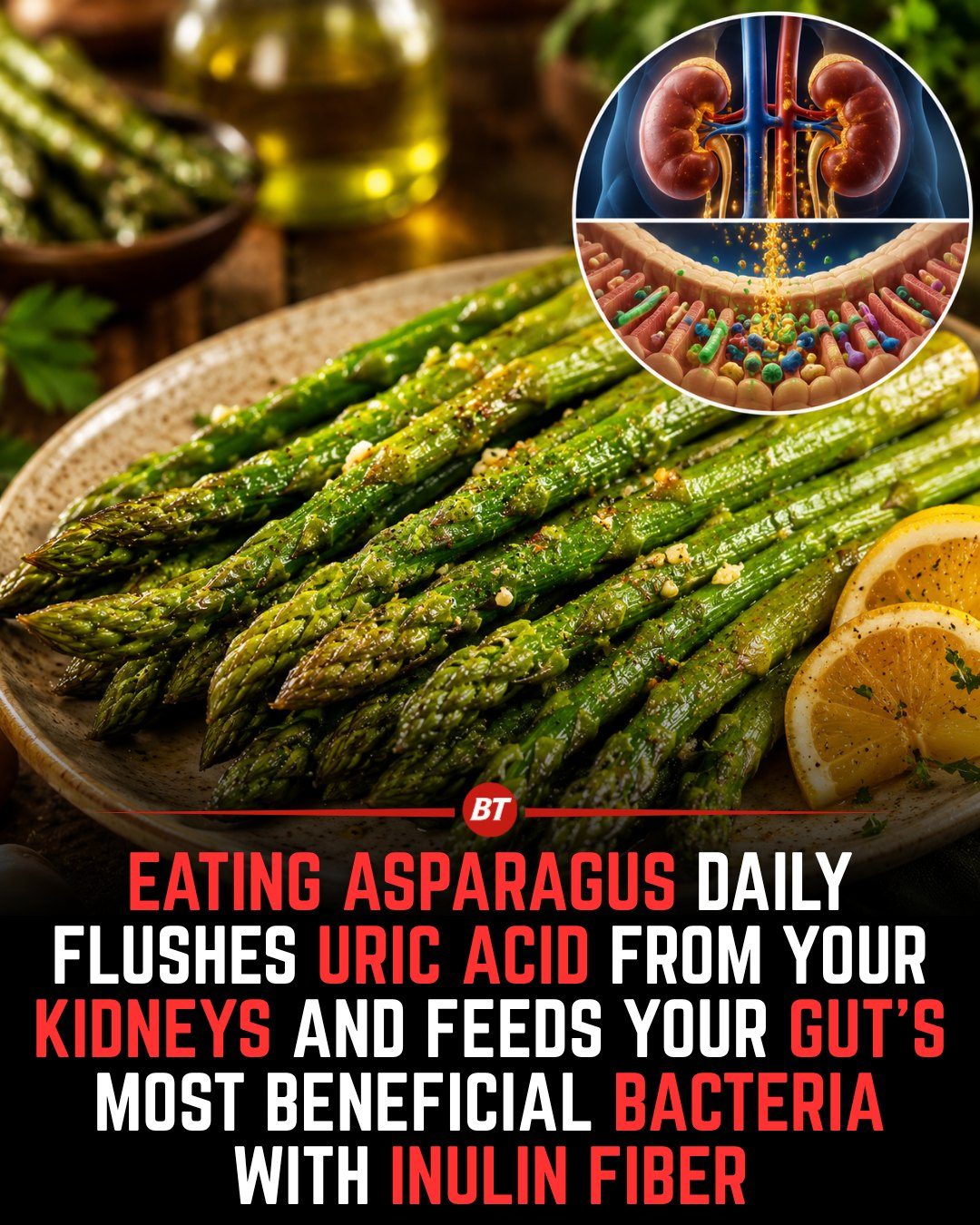
Asparagus: A Powerhouse for Your Kidneys and Gut
Asparagus, a versatile vegetable often relegated to the role of a side dish, deserves a closer look. It's packed with essential nutrients and compounds that promote healthy digestion, hydration, and metabolic health. Beyond its culinary uses, asparagus offers significant benefits for both your kidneys and your gut.
Why This Matters
Incorporating asparagus into your diet can have profound effects on your overall health. By understanding its unique properties, you can leverage this vegetable to support your body's essential functions. For those seeking to optimize their gut health and kidney function, asparagus is a standout choice.
Main Discussion
The Prebiotic Power of Inulin
One of asparagus's standout nutrients is inulin, a special type of prebiotic fiber. Prebiotic fibers are non-digestible substances that feed the beneficial bacteria in your gut. Research indicates that inulin helps increase populations of friendly microbes, including Bifidobacteria and Lactobacilli. These bacteria play crucial roles in digestion, immune function, and the production of beneficial short-chain fatty acids. By consuming asparagus, you can support a healthy microbiome, which is vital for overall wellness.
Supporting Kidney Health
Asparagus is rich in compounds that support the kidneys' normal filtration processes. It contains a mild natural diuretic effect, which has long been used in traditional diets to help promote healthy fluid balance. This diuretic effect aids in flushing uric acid from the kidneys, reducing the risk of kidney stones and other urinary issues. Additionally, asparagus is packed with potassium, folate, and antioxidants, all of which contribute to overall kidney health.
Antioxidant and Anti-Inflammatory Properties
Beyond its prebiotic and diuretic benefits, asparagus provides antioxidants such as glutathione. Glutathione is known for its role in protecting cells from oxidative stress and supporting healthy aging. By incorporating asparagus into your diet, you can harness these antioxidant properties to combat oxidative stress and promote cellular health. This makes asparagus a valuable addition to any diet focused on longevity and wellness.
Practical Tips
Incorporating Asparagus into Your Diet
To reap the benefits of asparagus, consider adding it to your meals several times a week. Here are some practical ways to enjoy asparagus:
- Steamed Asparagus: Steaming asparagus preserves its nutrients and brings out its natural flavor. Pair it with a drizzle of lemon juice and a sprinkle of salt for a simple and healthy side dish.
- Roasted Asparagus: Toss asparagus spears with olive oil, salt, and pepper, and roast them in the oven until tender and slightly crispy. This method enhances the vegetable's natural sweetness and adds a satisfying texture.
- Grilled Asparagus: Grilling asparagus imparts a smoky flavor and sears the spears to perfection. Brush the spears with a bit of oil and season with your favorite herbs and spices before grilling.
- Asparagus in Salads and Stir-Fries: Add raw or cooked asparagus to your favorite salads and stir-fries for a nutrient boost. The crisp texture of raw asparagus adds a refreshing crunch, while cooked asparagus provides a softer, more tender bite.
Pairing Asparagus with Other Foods
To maximize the health benefits of asparagus, pair it with other nutrient-rich foods. For example, combining asparagus with lean proteins like chicken or fish can create a balanced meal. Adding nuts and seeds to your asparagus dishes can provide additional healthy fats and fiber. You can also experiment with different herbs and spices to enhance the flavor and nutritional profile of your asparagus dishes.
Important Takeaways
Asparagus and Gut Health
- Asparagus is a rich source of inulin, a prebiotic fiber that nourishes beneficial gut bacteria.
- Consuming asparagus can increase populations of friendly microbes, such as Bifidobacteria and Lactobacilli, which support digestion, immune function, and the production of beneficial short-chain fatty acids.
Asparagus and Kidney Health
- Asparagus contains compounds that support the kidneys' normal filtration processes, aiding in the elimination of uric acid and promoting healthy fluid balance.
- Its natural diuretic effect and high content of potassium, folate, and antioxidants contribute to overall kidney health.
Overall Benefits
- Asparagus is a versatile vegetable that can be enjoyed in various preparations, making it easy to incorporate into your diet.
- Its antioxidant properties, particularly the presence of glutathione, help protect cells from oxidative stress and support healthy aging.
Conclusion
Asparagus is more than just a side dish; it's a nutritional powerhouse that supports both gut and kidney health. By understanding its unique properties and incorporating it into your diet, you can optimize your overall wellness. Whether you steam, roast, grill, or add it to salads and stir-fries, asparagus offers a delicious and nutritious way to enhance your health.
Watch the Reel
Questions readers ask
What makes asparagus beneficial for kidney health?
Asparagus contains diuretic properties that help increase urine production, aiding in the removal of excess water and waste from the body. Additionally, its essential nutrients support overall kidney function, making it a valuable addition to a kidney-friendly diet.
How does asparagus support a healthy gut?
Asparagus is rich in inulin, a type of prebiotic fiber that feeds the beneficial bacteria in your gut. This promotes a healthy microbiome, which is crucial for digestion, nutrient absorption, and immune function.
What is inulin and why is it important in asparagus?
Inulin is a type of dietary fiber found in asparagus that acts as a prebiotic. It nourishes the beneficial bacteria in your gut, helping to maintain a balanced microbiome. This supports better digestion and overall gut health.
Can asparagus help with hydration?
Yes, asparagus has a high water content and acts as a natural diuretic, which can help in flushing out toxins and promoting hydration. Its high water content makes it a refreshing and hydrating food choice.
What are some other health benefits of asparagus?
Asparagus is packed with essential nutrients like vitamins A, C, E, and K, as well as folate and antioxidants. These nutrients support various bodily functions, including immune health, bone strength, and metabolic processes.
How can I incorporate more asparagus into my diet?
Asparagus is versatile and can be enjoyed in various ways. You can steam, grill, or roast it as a side dish, add it to salads, or blend it into smoothies. Its mild flavor complements many dishes, making it easy to incorporate into your meals.
What are the best vegetables for gut health besides asparagus?
Other vegetables that support gut health include artichokes, onions, garlic, and leeks, which are also rich in prebiotic fibers. These vegetables help maintain a healthy microbiome, similar to asparagus, and provide additional nutrients for overall health.
Recent articles
Fresh deep dives from the latest Reels we unpacked.




Comments
Be the first to comment.