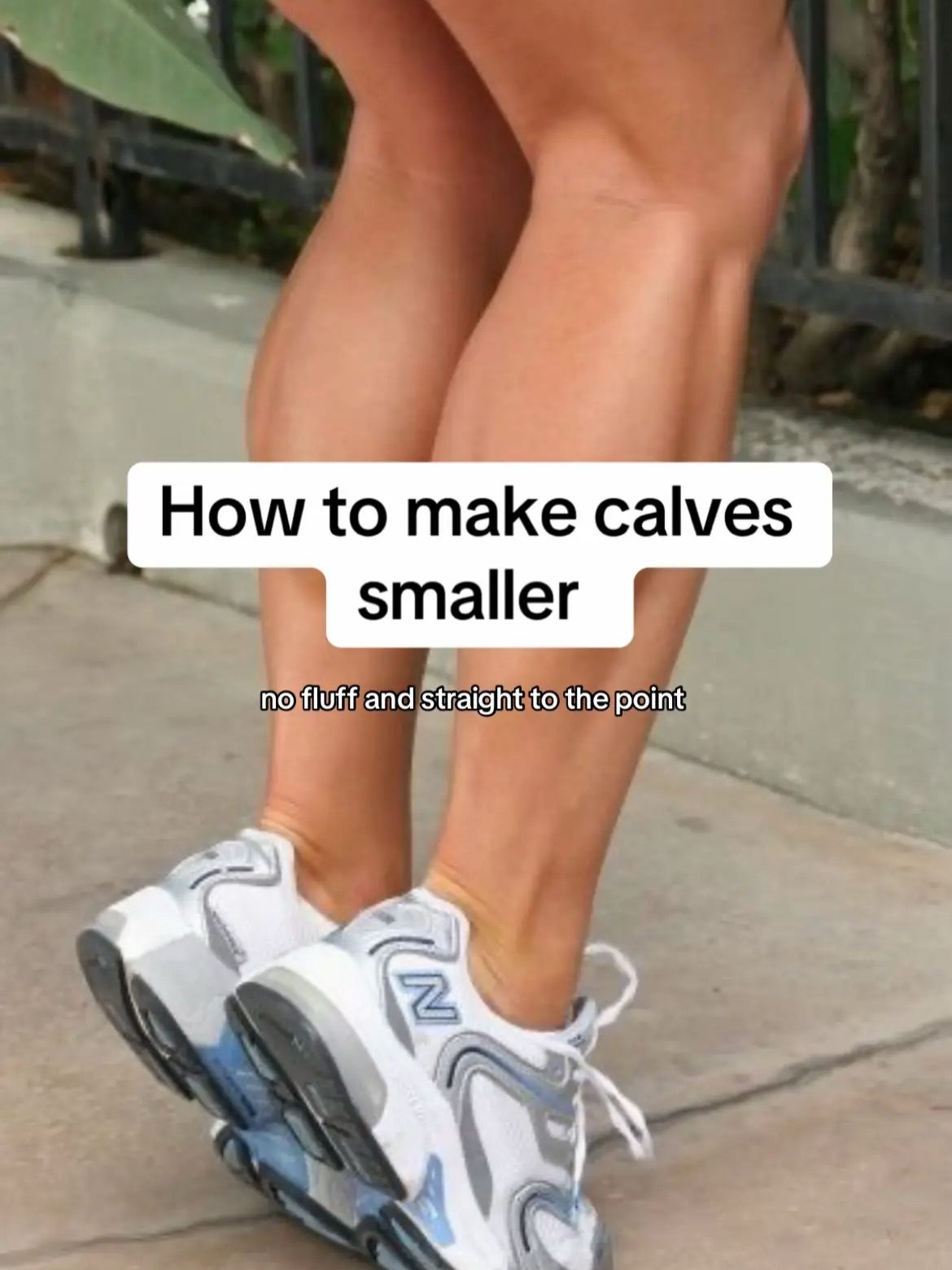
Manage Calf Muscle Size with Smart Workout and Lifestyle Changes
Reducing calf muscle size involves understanding and adjusting specific habits and exercises. Calf muscles can grow due to various factors, including training, body fat, water retention, and genetics. It's essential to approach calf muscle reduction with a strategic plan that focuses on targeted adjustments rather than guessing.
Why this Matters
Achieving slimmer legs often requires a nuanced approach. Many people unintentionally train their calves to grow through specific exercises and activities. By understanding what contributes to larger calves, you can make informed decisions about your workout routine and overall lifestyle to achieve your desired leg aesthetic.
Understanding Calf Muscle Growth
Common Exercises That Increase Calf Size
Several common workouts and activities can contribute to increased calf size. These include:
- Heavy Calf Raises: This exercise directly targets the gastrocnemius muscles, which are the primary muscles in the calves. Performing heavy calf raises can lead to significant muscle growth in this area.
- Sprinting and Hill Running: These activities involve explosive movements that engage the calf muscles, leading to growth over time.
- High-Resistance Stairmaster: Using high resistance on the stairmaster activates the calf muscles, making them work harder and potentially larger.
- Plyometrics and Jump Rope: Activities that involve a lot of jumping, such as plyometrics and jump rope, can also contribute to calf muscle growth. The repetitive jumping motion engages the gastrocnemius muscles, leading to increased size and strength.
Low-Impact Alternatives for Calf Muscle Reduction
If your goal is to reduce calf muscle size, consider switching to low-impact exercises that promote lengthening and overall fitness without adding bulk. Some effective alternatives include:
- Flat Walking: Walking on flat surfaces with a focus on heel-to-toe movement and longer strides can help keep you active without targeting the calf muscles excessively.
- Cycling: Low-resistance cycling is a great way to maintain cardiovascular health and burn calories without putting additional strain on the calves.
- Swimming: Swimming is a full-body workout that engages various muscle groups without overtraining the calf muscles, making it an excellent choice for those looking to reduce calf size.
Practical Tips for a Slimmer Look
Daily Stretching
Tight calf muscles can appear larger and more prominent. Incorporating daily stretching into your routine can help alleviate this issue. Focus on both straight and bent leg stretches to effectively target different areas of the calf muscles. Regular stretching not only helps reduce muscle tension but also promotes flexibility and a more streamlined appearance.
Tension Release Techniques
Relieving tension in the calf muscles can help achieve a less bulky look. Effective methods for tension release include:
- Foam Rolling: Using a foam roller to massage the calf muscles can help reduce chronic contraction and promote relaxation.
- Massage Guns: Light pressure from a massage gun can also be beneficial in relieving muscle tension and promoting a less bulky appearance.
- Manual Massage: Gently massaging the calves with your hands can help release tension and improve blood flow, contributing to a slimmer look.
Managing Water Retention
Excessive water retention in the body, especially in the legs, can contribute to the appearance of larger calves. To manage water retention, consider the following tips:
- Reduce Salt Intake: Consuming less salty foods can help reduce water retention and promote a leaner appearance.
- Stay Hydrated: Drinking plenty of water helps flush out toxins and promotes overall health, contributing to a slimmer physique.
- Increase Movement: Regular physical activity, even light movements, can help improve blood circulation and reduce water retention in the legs.
Important Takeaways
- Understand the Factors: Bulky calves can be attributed to muscle growth, body fat, water retention, and genetics.
- Adjust Your Workouts: Avoid exercises that directly target and grow the calf muscles. Instead, opt for low-impact activities that promote overall fitness without adding bulk.
- Incorporate Stretching and Tension Release: Regular stretching and tension release techniques can help reduce muscle tightness and promote a slimmer appearance.
- Manage Water Retention: Adjusting your diet and staying hydrated can help prevent water retention in the legs, contributing to a leaner look.
Conclusion
Achieving a slimmer calf muscle profile involves a combination of strategic workout adjustments, regular stretching, and lifestyle changes. By understanding the factors that contribute to larger calves and making targeted changes to your routine, you can effectively reduce calf muscle size and achieve your desired physique.
Watch the Reel
Questions readers ask
How do specific exercises contribute to larger calf muscles?
Exercises that target the calves, such as heavy resistance calf training and stairmaster workouts, can lead to increased muscle size. These activities often involve repetitive movements that engage the calf muscles, promoting growth. To reduce calf size, it's important to minimize these exercises and focus on alternatives that don't target the calves as intensely.
What role do daily activities play in calf muscle development?
Daily activities like walking, running, and standing for extended periods can contribute to calf muscle growth. These activities engage the calves continuously, leading to muscle development over time. To reduce calf size, consider incorporating low-impact activities and taking regular breaks to minimize continuous calf engagement.
Can certain foods or beverages affect calf size?
While specific foods or beverages don't directly target calf muscles, maintaining a balanced diet can help manage overall body fat, which includes the calves. Additionally, reducing sodium intake can help decrease water retention, potentially making the calves appear slimmer.
What are some effective calf muscle reduction workouts?
To reduce calf size, focus on exercises that don't target the calves directly. Incorporate activities like swimming, cycling, or using an elliptical machine, which provide cardiovascular benefits without heavily engaging the calf muscles. Additionally, manual calf exercises and foam roller stretches can help release tension and promote a slimmer appearance.
How can manual calf exercises and foam roller stretches help reduce calf size?
Manual calf exercises and foam roller stretches can help release muscle tightness and promote better circulation. While they don't directly reduce muscle size, they can make the calves appear slimmer by improving muscle tone and reducing tension. Incorporating these practices into your routine can complement other lifestyle changes aimed at reducing calf size.
What are calorie deficits and how does it affect calf size reduction?
A calorie deficit occurs when you burn more calories than you consume, which can lead to overall weight loss, including in the calves. To achieve a calorie deficit, focus on maintaining a balanced diet and engaging in regular physical activities that don't target the calves directly. This approach can help reduce body fat and potentially make the calves appear slimmer over time.
Can genetics play a role in calf muscle size?
Genetics can influence the size and shape of your calf muscles, as some people may naturally have larger or smaller calves due to their genetic makeup. While you can't change your genetics, understanding your body's tendencies can help you make informed decisions about your workout routine and lifestyle to achieve your desired leg aesthetic.
Recent articles
Fresh deep dives from the latest Reels we unpacked.




Comments
Be the first to comment.