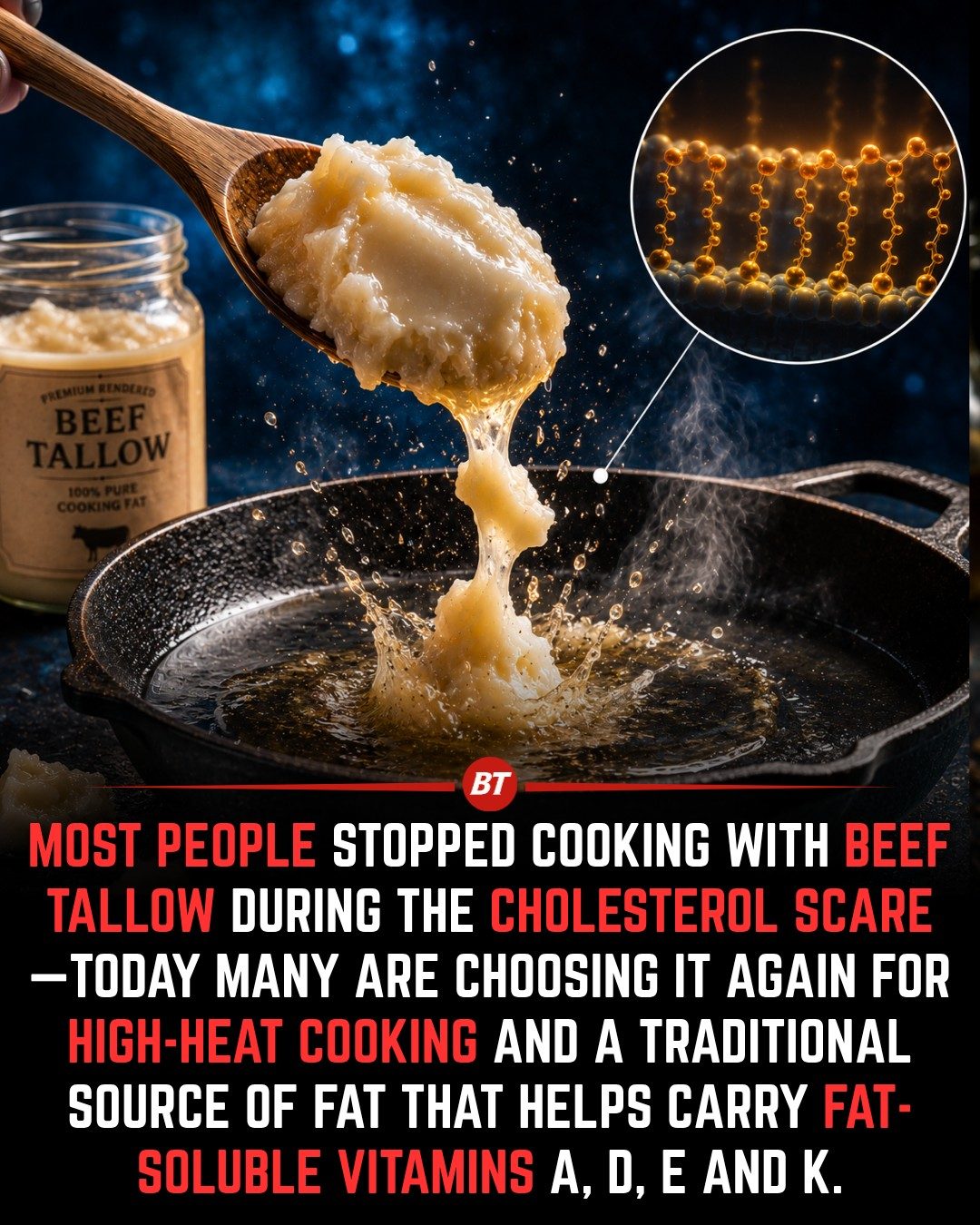
Beef Tallow Cooking
Beef tallow, a staple in kitchens for centuries, has made a comeback in recent years. This traditional cooking fat, rendered from beef fat, offers numerous benefits, particularly in high-heat cooking methods. Let’s delve into the history, nutritional aspects, and practical uses of beef tallow.
Why This Matters
Understanding the role of beef tallow in cooking is essential for several reasons. Firstly, it provides a healthier alternative to more processed cooking fats. Secondly, it helps carry fat-soluble vitamins, which are crucial for various bodily functions. Lastly, its stability at high temperatures makes it a versatile choice for numerous cooking methods.
Main Discussion
The History of Beef Tallow
Beef tallow was once a common ingredient in kitchens worldwide. It was particularly prized for its heat stability and nutritional benefits. However, during the low-fat movement of the 20th century, fears about cholesterol and saturated fat led many to abandon this traditional cooking fat.
The shift away from tallow was largely driven by concerns over cholesterol and saturated fat. Today, scientists recognize that heart health is influenced by a multitude of factors, including overall dietary patterns, physical activity, stress, and genetics. This broader understanding has paved the way for a renewed appreciation of beef tallow.
Nutritional Benefits
One of the primary reasons for beef tallow’s resurgence in kitchens is its rich nutritional profile. It is a valuable source of saturated and monounsaturated fats, which are essential for overall health. These fats help carry vitamins A, D, E, and K, which are fat-soluble and need dietary fat for proper absorption in the small intestine.
Vitamin A: Essential for vision, immune function, and cell growth.
Vitamin D: Crucial for bone health and immune function.
Vitamin E: Acts as an antioxidant, protecting cells from damage.
Vitamin K: Important for blood clotting and bone health.
Without enough dietary fat, your body may absorb fewer of these nutrients from the foods you consume. Beef tallow, therefore, plays a crucial role in ensuring that you get the most out of your nutrient-rich diet.
Cooking with Beef Tallow
Beef tallow is particularly valued for its heat stability, making it an excellent choice for high-heat cooking methods like roasting, searing, and frying. Its high smoke point (around 400°F or 204°C) means it can withstand high temperatures without breaking down or smoking excessively. This stability ensures that your food retains its flavor and nutritional value.
High-Heat Cooking Techniques
Roasting: Beef tallow is ideal for roasting vegetables and meats. Its ability to withstand high temperatures without smoking makes it a healthier option compared to some vegetable oils that can break down and release harmful compounds when heated.
Searing: For a beautifully browned crust, tallow is an excellent choice. Its rich, beefy flavor complements red meats and poultry, enhancing the overall taste of the dish.
Frying: Whether you're frying eggs, chicken, or fish, beef tallow provides a crispy exterior while keeping the interior moist. Its neutral flavor allows the natural flavors of the food to shine.
Comparing Beef Tallow with Other Cooking Fats
When comparing beef tallow to other cooking fats, several factors come into play:
-
Heat Stability: Beef tallow has a higher smoke point than many vegetable oils, making it more stable at high temperatures.
-
Nutritional Value: Unlike margarine or vegetable shortening, beef tallow is rich in essential nutrients and does not contain trans fats.
-
Flavor: Beef tallow has a rich, savory flavor that can enhance the taste of your dishes, particularly when cooking meat.
-
Environmental Impact: Beef tallow is a byproduct of the beef industry, making it a more sustainable choice compared to some heavily processed oils.
Practical Tips
When incorporating beef tallow into your cooking, consider the following tips:
Choosing the Right Beef Tallow
When selecting beef tallow, look for a product that is rendered from grass-fed or pasture-raised cattle. This ensures a higher quality and more nutritious fat. Avoid hydrogenated or refined tallow, as these processes can strip the tallow of its nutritional benefits and introduce unhealthy trans fats.
Storing Beef Tallow
Proper storage is crucial for maintaining the quality and freshness of beef tallow. Keep it in an airtight container, preferably in a cool, dark place. It can be stored at room temperature for several weeks or in the refrigerator for up to a year. If you prefer a liquid form, you can melt and filter the tallow, then store it in a sealed container in the refrigerator.
Using Beef Tallow in Cooking
You can use beef tallow in a variety of dishes. For example, try using it to roast vegetables like carrots, Brussels sprouts, or sweet potatoes. For a hearty meal, sear a piece of steak or chicken in a hot pan with a generous amount of tallow. The rich flavor and high smoke point make it an excellent choice for cooking at high temperatures.
Important Takeaways
Beef tallow offers a range of benefits, from its rich, savory flavor to its nutritional value and heat stability. By incorporating it into your cooking, you can enhance the taste and nutritional profile of your meals. Remember to choose high-quality tallow, store it properly, and use it in cooking methods that require sustained heat.
Conclusion
In summary, beef tallow is a versatile and nutritious cooking fat that has made a significant comeback in modern kitchens. Its ability to withstand high temperatures and carry essential fat-soluble vitamins makes it a valuable addition to your cooking repertoire.
Watch the Reel
Questions readers ask
What makes beef tallow an excellent choice for high-heat cooking?
Beef tallow has a high smoke point, making it ideal for high-heat cooking methods like frying, searing, and baking. Its stability at high temperatures ensures that it doesn't break down or produce harmful compounds, unlike some other cooking fats.
What are the nutritional benefits of using beef tallow in cooking?
Beef tallow is rich in fat-soluble vitamins like vitamins A, D, E, and K, which are essential for various bodily functions. It is also a good source of conjugated linoleic acid (CLA), which has been linked to several health benefits, including improved immune function and reduced inflammation.
Why has beef tallow seen a resurgence in recent years?
The resurgence of beef tallow can be attributed to a growing interest in traditional cooking methods and a desire for more natural, less processed cooking fats. Its health benefits, such as its ability to carry fat-soluble vitamins and its stability at high temperatures, have also contributed to its renewed popularity.
Can beef tallow be used in all cooking methods?
Beef tallow can be used in a variety of cooking methods, including frying, searing, baking, and even sautéing. However, its strong flavor may not be suitable for all dishes, so it's best to use it in recipes where its flavor complements the other ingredients, such as in gravy or beef dishes.
How should you store beef tallow to maintain its quality?
To maintain its quality, store beef tallow in an airtight container in a cool, dark place, such as your pantry. Refrigeration is recommended in hot climates. Keep in mind that it will solidify at room temperature, so you may need to liquefy it gently over low heat before use.
Can beef tallow be used as a substitute for other cooking fats in recipes?
Beef tallow can be used as a substitute in many recipes, especially those that require high-heat cooking. However, keep in mind that it has a distinct flavor that may alter the taste of your dish. It's best to use it in recipes where its flavor complements the other ingredients.
Is beef tallow safe for consumption and why?
Yes, beef tallow is safe for consumption. It is a natural, nutrient-rich cooking fat that has been used for centuries. Its stability at high temperatures and ability to carry fat-soluble vitamins make it a healthy choice for cooking. However, as with all fats, it should be consumed in moderation as part of a balanced diet.
Related deep dives
Similar reads based on topic and creator.




Recent articles
Fresh deep dives from the latest Reels we unpacked.




Comments
Be the first to comment.