Onions: A Powerhouse of Health Benefits
Red onions are a staple in many kitchens, adding a sharp, crunchy bite to salads and sandwiches. However, their role in our diet goes far beyond just flavor enhancement. These vibrant vegetables are packed with plant compounds that offer a range of health benefits, particularly for gut and cardiovascular health.
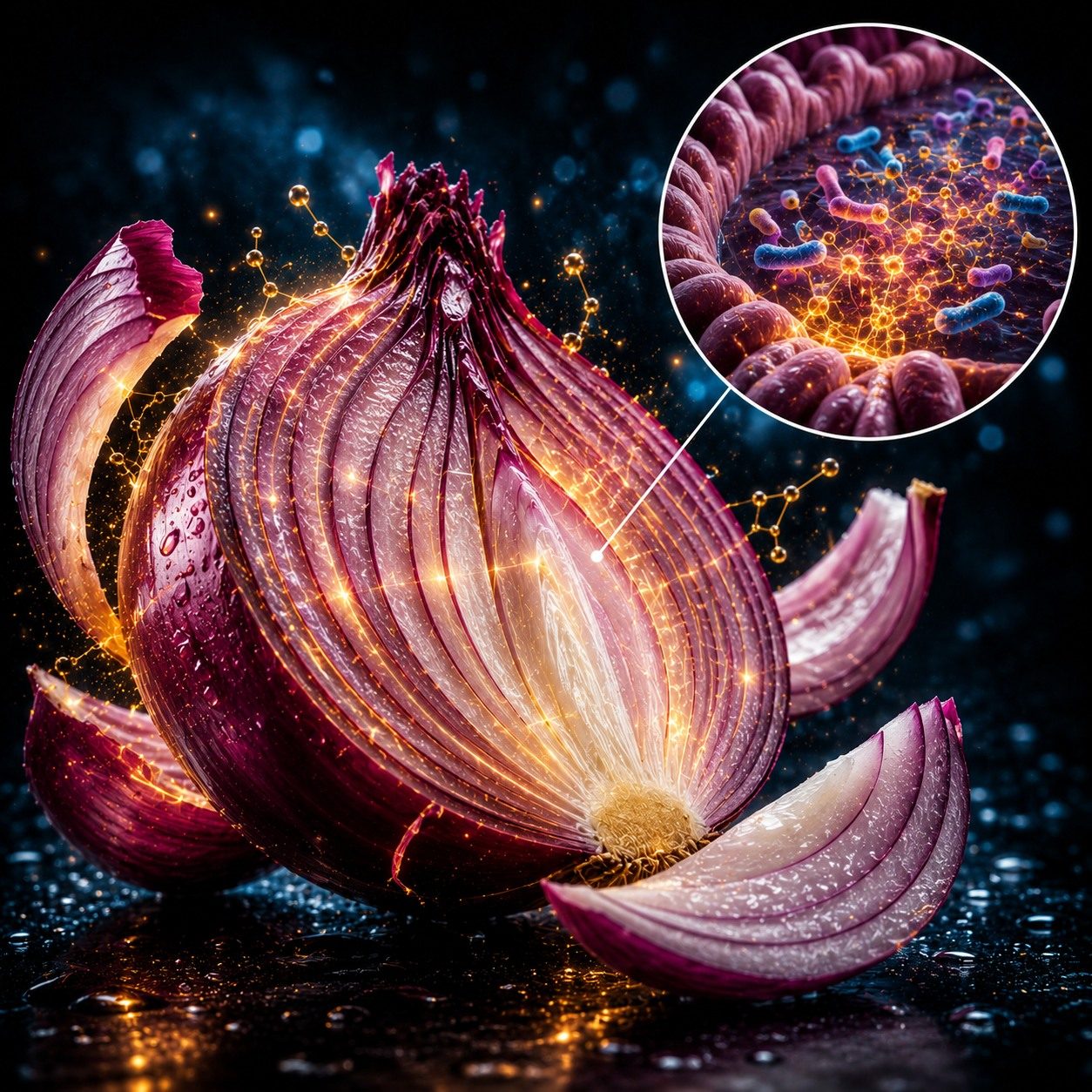
Red onions are rich in fructans, a type of carbohydrate that acts as a prebiotic. Specifically, they contain inulin-type prebiotic fibers that are not fully digested in the small intestine. Instead, they travel to the colon, where they are fermented by beneficial gut bacteria. This process produces short-chain fatty acids, which play a crucial role in maintaining a healthy intestinal environment. By supporting the growth of beneficial gut bacteria, these compounds contribute to overall gut health.
In addition to their prebiotic properties, red onions are an excellent source of quercetin, a flavonoid concentrated in the outer layers. Quercetin is known for its antioxidant and anti-inflammatory properties. Research published in journals like Nutrients, Food Chemistry, and the Journal of Agricultural and Food Chemistry has highlighted the potential of quercetin in supporting healthy blood pressure and cardiovascular function. These studies underscore the importance of red onions as a dietary source of bioactive compounds.
Context: Why This Matters
The health benefits of red onions are often overlooked, but incorporating them into your diet can have significant positive effects on your overall health. By understanding the specific compounds that make red onions so beneficial, you can make more informed choices about how to include them in your meals.
The Science Behind Red Onions
Fructans and Prebiotic Fibers
Fructans are a type of carbohydrate found in various plants, including onions. Unlike other carbohydrates, fructans are not fully broken down in the small intestine. Instead, they travel to the colon, where they are fermented by beneficial gut bacteria. This fermentation process produces short-chain fatty acids, which are essential for maintaining a healthy intestinal environment. These acids help to nourish the cells lining the colon, reduce inflammation, and support the immune system. Additionally, by promoting the growth of beneficial gut bacteria, fructans can help to prevent and manage conditions such as irritable bowel syndrome (IBS), Crohn's disease, and ulcerative colitis.
Quercetin: The Antioxidant Powerhouse
Quercetin is a flavonoid found in the outer layers of onions and other plant-based foods. It is known for its antioxidant and anti-inflammatory properties, which make it a valuable compound for overall health. Quercetin has been studied extensively for its potential role in supporting healthy blood pressure and cardiovascular function. Research has shown that quercetin can help to reduce inflammation, improve endothelial function, and lower blood pressure. Additionally, quercetin has been found to have anticancer properties and may help to prevent and manage several types of cancer, including lung, breast, and prostate cancer. By incorporating red onions into your diet, you can reap the benefits of this powerful flavonoid and support your overall health.
Preparing Red Onions for Maximum Benefits
Raw vs. Cooked
How you prepare red onions can impact the availability of their beneficial compounds. Cooking can reduce some heat-sensitive compounds, such as quercetin, while eating raw onions preserves more of their natural phytochemicals. However, this does not mean that cooked onions are not healthy. They still provide valuable nutrients and a range of health benefits. To get the most out of red onions, consider adding both raw and cooked onions to your meals.
Soaking for a Mild Flavor
If the strong flavor of raw red onions is a deterrent, soaking the slices briefly in cold water can help to mellow the bite while keeping them crisp. This technique is particularly useful for salads and sandwiches, where the pungent flavor of raw onions can sometimes overpower other ingredients. By soaking the slices in cold water for a few minutes, you can reduce the sharpness without compromising the nutritional content.
Practical Tips
- Add Raw Slices to Salads and Sandwiches: Raw red onion slices add a refreshing crunch and a burst of flavor to salads and sandwiches. If the flavor is too strong, soak the slices in cold water before adding them to your dish.
- Use Them in Cooked Dishes: Cooked red onions can add a rich, sweet flavor to a variety of dishes, including soups, stews, and stir-fries. While cooking may reduce some of the heat-sensitive compounds, cooked onions still offer valuable nutrients and health benefits.
- Sauté with Other Vegetables: Sautéing red onions with other vegetables, such as bell peppers and mushrooms, can enhance the overall flavor of the dish and provide a range of health benefits. Add them to stir-fries, omelets, or pasta dishes for a tasty and nutritious addition.
- Blend into Dips and Sauces: Finely chop or mince raw red onions to blend into dips, sauces, and dressings. This not only adds flavor but also boosts the nutrient content of your favorite condiments. Including red onions in dips and sauces is an easy way to enjoy the health benefits without compromising on taste.
- Pickle Them: Pickled red onions are a delicious and tangy addition to many dishes, from tacos to burgers. Pickling red onions can also help to preserve some of their beneficial compounds, making them a versatile and healthy ingredient.
- Try Roasted Onions: Roasting red onions can bring out their natural sweetness and create a rich, caramelized flavor. Roasted onions are a great addition to roasted meats, vegetables, and grain bowls. They pair well with a range of seasonings and herbs, making them a versatile ingredient in the kitchen.
- Blend with Meat: Chopted red onions can be blended with ground meat in recipes like meatballs or meatloaf. This adds flavor and nutrition to the dish without overpowering the other ingredients.
Important Takeaways
Red onions are more than just a flavorful addition to your meals. They are packed with beneficial plant compounds that support gut and cardiovascular health. Incorporating red onions into your diet, whether raw or cooked, can provide a range of health benefits. By understanding the specific compounds found in red onions and how to prepare them for maximum benefit, you can make more informed choices about your diet and overall health. Add them to salads, sandwiches, tacos, grain bowls, or avocado toast to enjoy their flavor and health benefits.
Conclusion
The next time you see someone picking the onions off their burger or salad, they might be missing out on more than just a garnish. Red onions are a powerful source of plant compounds that support gut and cardiovascular health. By adding red onions to your meals, you can boost your nutrient intake and enjoy a range of health benefits. Whether you prefer them raw, cooked, or pickled, red onions are a versatile and nutritious addition to any diet.
Watch the Reel
Questions readers ask
What are the primary health benefits of consuming red onions?
Red onions offer numerous health benefits, particularly for gut and heart health. They contain prebiotic fibers that support a healthy intestinal environment and quercetin, which aids in maintaining healthy blood pressure and cardiovascular function.
How do red onions support gut health?
Red onions are rich in prebiotic fibers known as fructans, which travel to the colon and are fermented by beneficial gut bacteria. This process produces short-chain fatty acids that help maintain a healthy intestinal environment.
What is quercetin and how does it benefit heart health?
Quercetin is a plant compound found in red onions. It helps maintain healthy blood pressure and supports overall cardiovascular function, contributing to better heart health.
Can consuming red onions help lower blood pressure?
The quercetin found in red onions has been shown to support healthy blood pressure levels. Incorporating red onions into your diet may contribute to better cardiovascular health, including blood pressure regulation.
What are some of the best ways to add red onions to my diet?
Red onions can be enjoyed raw in salads, sandwiches, and wraps, or lightly cooked in stir-fries and sautés. For the most dietary benefits, try to include them in your meals regularly and in a variety of ways.
Are there any specific recipes that highlight the health benefits of red onions?
To maximize the health benefits of red onions, consider recipes like raw red onion salad, or lightly cooked onion recipes. You can also add thinly sliced red onions to your favorite salads, sandwiches, and wraps for a flavorful and nutritious boost.
How do the layers of a red onion contribute to its health benefits?
The layers of a red onion contain a variety of beneficial compounds, including prebiotic fibers and quercetin. By consuming the entire onion, you can gain the full range of health benefits, particularly for gut and heart health.
Related deep dives
Similar reads based on topic and creator.




Recent articles
Fresh deep dives from the latest Reels we unpacked.




Comments
Be the first to comment.