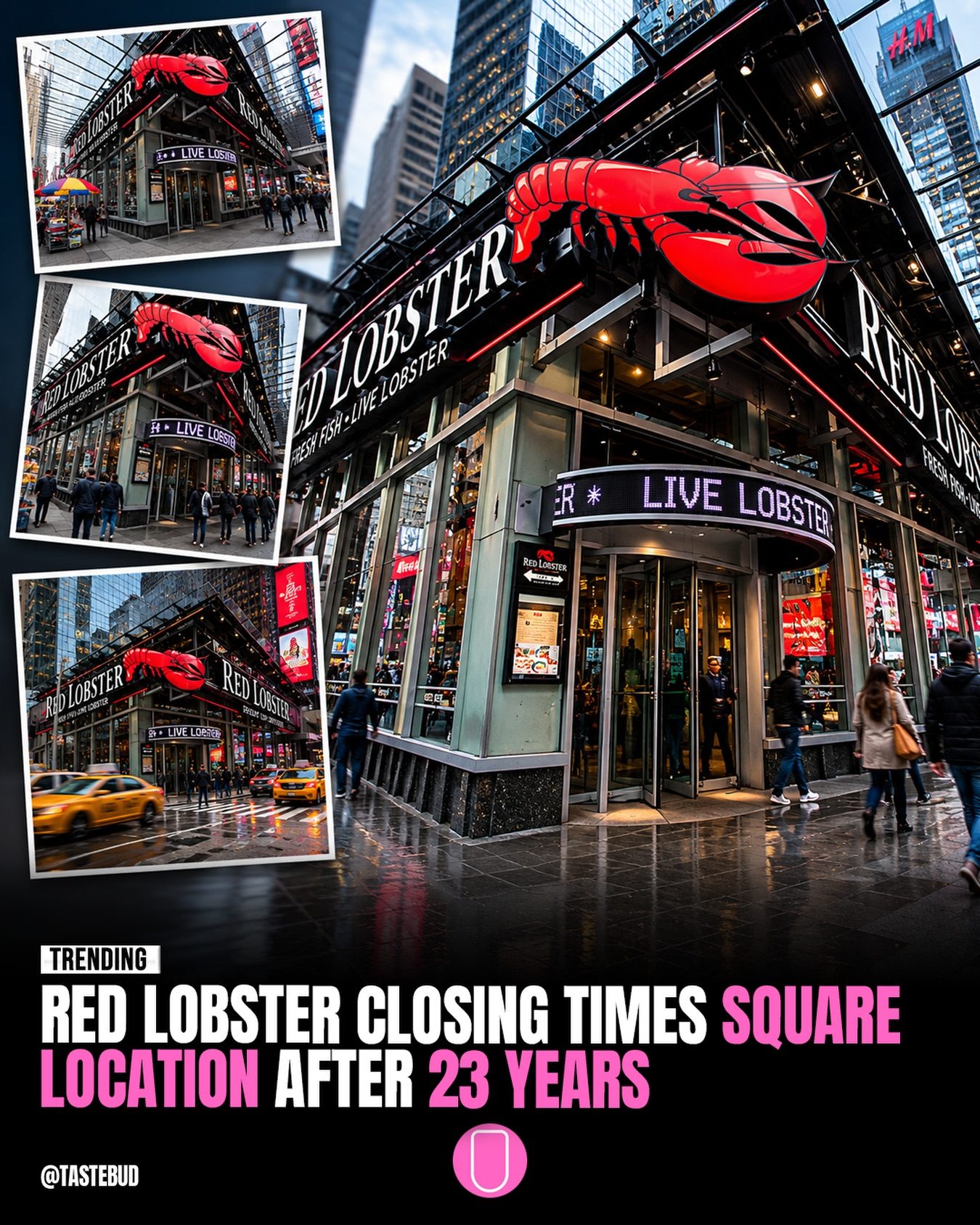
Times Square's Red Lobster Closing: A Landmark's Enduring Legacy
For over two decades, Red Lobster's Times Square location has been a familiar sight amid the bright lights and bustling crowds. But after more than twenty years, the iconic restaurant is set to close, leaving a noticeable void in the vibrant landscape of New York City's most iconic district.
Why this matters
The closure of Red Lobster's Times Square location is more than just a local news story — it's a reflection of broader trends impacting the casual dining industry, particularly in high-cost urban markets. This move highlights the challenges faced by large casual dining chains in maintaining profitability in areas with high rent and operational costs.
The Red Lobster Times Square Experience: A Look Back
Located in the heart of Times Square, Red Lobster's flagship restaurant has been a staple for both locals and tourists. The restaurant's prominent location has made it a go-to spot for seafood lovers, offering a taste of the familiar in the midst of the city's frenetic energy.
The live lobster tank, a hallmark of Red Lobster, was a major attraction for diners, showcasing the freshness of the seafood and offering a unique dining experience. The restaurant also featured trendy dinner options, catering to a wide range of tastes and preferences.
The Times Square Location
The restaurant's location in the Times Square area provided a unique dining experience. The bustling atmosphere, combined with the iconic Red Lobster atmosphere, made it a popular destination for those visiting New York City.
However, the high cost of operating in such a prime location has become a significant challenge. The rent, operational costs, and other expenses associated with maintaining a restaurant in Times Square are substantial, and these costs have only increased over time.
Challenges Facing Large Casual Dining Chains
Large casual dining chains like Red Lobster face a myriad of challenges in maintaining their presence in high-cost urban markets.
Rising Operational Costs
Operational costs, including rent, utilities, and labor, have been steadily rising. These costs are particularly high in urban areas like Times Square, where real estate is at a premium. The increasing cost of doing business in these areas has put a strain on the profitability of many casual dining chains.
Changing Consumer Preferences
Consumer preferences have also shifted over the years. Many diners now prefer more casual, fast-casual, or even fine dining options. Traditional casual dining chains may struggle to attract new customers as these preferences evolve.
Competition from Other Restaurants
The fierce competition from other restaurants and dining options adds to the challenges. With so many options available to diners, it can be difficult for large casual dining chains to maintain their market share.
The Impact on Employees and Customers
The closure will have an impact on both employees and customers. For employees, it may mean having to find new employment opportunities. For customers, it means losing a familiar dining spot and the unique experience it offered.
Broader Trends in Casual Dining
The closure of Red Lobster's Times Square location is part of a broader trend in the casual dining industry. Many large casual dining chains are re-evaluating their presence in high-cost urban markets, looking for more sustainable locations and business models.
Focus on Sustainability
Large chains like Red Lobster are increasingly focusing on sustainability. This includes not only environmental sustainability but also financial sustainability. This means looking for locations where operational costs are more manageable and profitability can be maintained.
Investment in Digital and Delivery
The rise of digital ordering and delivery services has also changed the game. Many casual dining chains are investing in these areas, looking to expand their reach and provide more convenience to customers.
Rebranding and Innovation
Some chains are also focusing on rebranding and innovation. This includes updating menus, introducing new dining concepts, and even partnering with other brands to stay competitive.
Practical Tips for Diners
While the closure of Red Lobster's Times Square location is a loss for many, there are still plenty of great dining options in the area. Here are a few practical tips for diners:
Explore New Restaurants
Times Square and the surrounding area are filled with a variety of dining options. From high-end restaurants to casual eateries, there is something for everyone. Exploring these new options can be an exciting adventure.
Plan Ahead
If you have a specific restaurant in mind, it's always a good idea to plan ahead. Check the opening hours, make a reservation, and plan your route to ensure a smooth dining experience.
Embrace the Experience
One of the best things about dining in Times Square is the experience itself. The energy, the sights, and the sounds all contribute to a unique dining experience. Embrace this experience and make the most of it.
Try Local Favorites
In addition to the well-known chains, there are many local favorites in the area. These restaurants often offer a more authentic and unique dining experience. Trying out these local favorites can be a rewarding experience.
Important Takeaways
The closure of Red Lobster's Times Square location is a significant event, reflecting broader trends in the casual dining industry. It highlights the challenges faced by large chains in maintaining profitability in high-cost urban markets and the need to adapt to changing consumer preferences and operational costs.
This closure also serves as a reminder of the importance of embracing new experiences and exploring the variety of dining options available. Whether you're a local or a tourist, there are always new and exciting dining experiences to discover.
Conclusion
As Red Lobster's Times Square location prepares to close, it leaves behind a legacy. It was a place where memories were made, and friendships were forged over shared meals. While its closure marks the end of an era, it also opens up new opportunities for both diners and the restaurant industry to explore new possibilities.
Watch the Reel
Questions readers ask
Why is the Red Lobster in Times Square closing after so many years?
The Red Lobster in Times Square is closing primarily due to the escalating challenges faced by casual dining chains in high-cost urban markets, such as increasing rent and operational costs. After operating for over 23 years, the location is no longer able to maintain profitability in this environment.
What made the Red Lobster Times Square location so iconic?
The Times Square Red Lobster was renowned for its lively atmosphere and the signature lobster tank, which added to its charm and appeal. The restaurant became a popular spot for both seafood lovers and tourists visiting New York City.
What impact will the closure have on Times Square?
The closure of this landmark location will leave a noticeable void in the Times Square dining scene. It will alter the familiar landscape and change the dining options for visitors and locals alike. The vibrant atmosphere of Times Square will be slightly diminished in the absence of this iconic seafood restaurant.
What are the broader implications of this closure for the casual dining industry?
The closure of Red Lobster in Times Square indicates the broader challenges faced by casual dining chains, particularly in expensive urban areas. It highlights the difficulties in maintaining profitability in the face of high rent, operational costs, and evolving consumer preferences.
Are there any plans for a new Red Lobster location in Times Square?
As of now, there are no public announcements regarding a new Red Lobster location in Times Square. The closure of the current location marks a significant change, and it remains to be seen if Red Lobster will reopen in a different location within the area. The company may be focusing on more sustainable and profitable sites.
What other iconic Times Square restaurants have faced similar challenges?
Several iconic Times Square restaurants have faced similar challenges due to high operational costs and changing consumer preferences. For example, Gordon Ramsay's Hell's Kitchen Restaurant closed in 2015, and other notable restaurants, such as Carmine's and Johnny Rockets, have also had to adapt or move locations. The high cost of doing business in Times Square is a significant factor in these decisions.
How can I remember the Red Lobster Times Square location?
You can remember the Red Lobster Times Square location by sharing your experiences on social media, preserving any memorabilia from your visits, or even creating a personal blog post or photo album. This way, you can keep the memories alive and celebrate the legacy of this iconic Times Square seafood restaurant.
Related deep dives
Similar reads based on topic and creator.


Recent articles
Fresh deep dives from the latest Reels we unpacked.




Comments
Be the first to comment.