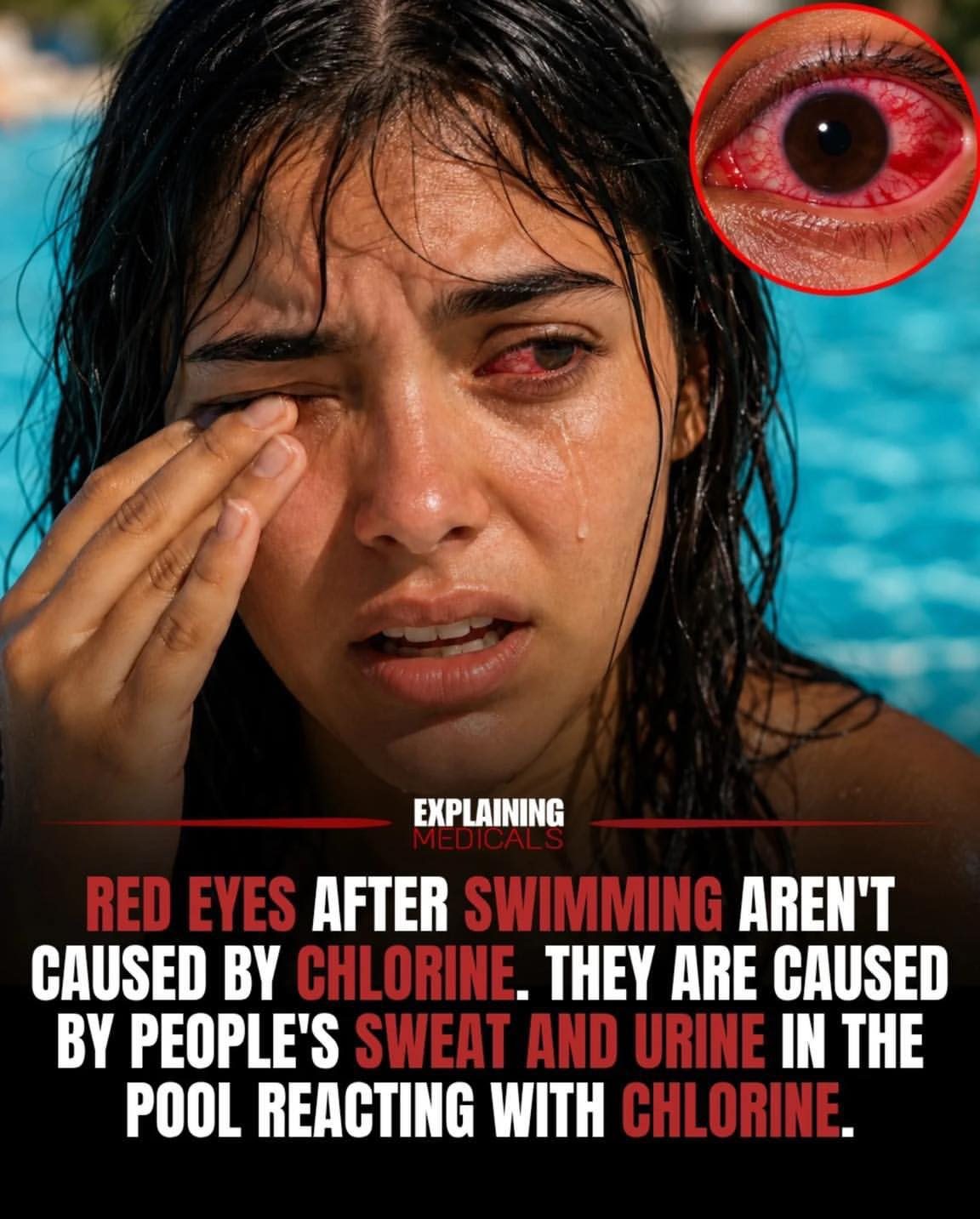
Red Eyes After Swimming: The Real Culprit
When you emerge from the pool with stinging red eyes, you might immediately blame the chlorine. However, recent research points to a different source of that discomfort. The actual culprit is often a group of chemicals called chloramines. These form when chlorine interacts with various substances introduced by swimmers, such as sweat, urine, body oils, and skin cells.
Context / Why this matters
Understanding the true cause of red eyes after swimming is crucial for maintaining both personal comfort and pool hygiene. By recognizing that chloramines, not chlorine itself, are the primary irritant, swimmers can take steps to minimize their formation and reduce eye irritation.
Main discussion
What are Chloramines?
Chloramines are compounds that form when chlorine reacts with organic materials, such as those found in sweat, urine, and other bodily substances. The most common types of chloramines in pools are monochloramine, dichloramine, and trichloramine. These chloramines are responsible for the familiar burning sensation and redness that many people experience after swimming.
How Chloramines Form
The process of chloramine formation is straightforward but often overlooked. When you enter a pool, you bring with you a variety of substances, including:
- Sweat: Even if you shower before swimming, sweat can still accumulate on your skin.
- Urine: Unfortunately, many swimmers, especially children, urinate in the pool.
- Body oils: These oils are constantly produced by your skin and can mix with the pool water.
- Skin cells: Dead skin cells are shed continuously and can contribute to chloramine formation.
- Cosmetics: Lotions, sunscreen, and other cosmetics can also react with chlorine.
As chlorine works to disinfect the pool, it binds to and breaks down these organic substances, producing chloramines in the process. The more organic material present, the higher the concentration of chloramines.
The Role of Chlorine
Chlorine is essential for maintaining pool hygiene. It effectively kills harmful microorganisms, such as bacteria and viruses, that can cause infections and diseases. However, its role in forming chloramines often goes unnoticed.
The balanced use of chlorine is crucial for maintaining a healthy pool. Properly maintained pools with adequate filtration, water circulation, and balanced chlorine levels typically contain fewer chloramines and are less likely to cause irritation. However, when the pool is not well-maintained or when too many swimmers contribute excessive organic materials, the risk of chloramine formation increases.
The Impact of Chloramines
Chloramines can irritate the eyes, skin, and respiratory system. The severity of the irritation can vary depending on the concentration of chloramines in the pool water. Some common symptoms include:
- Red, irritated eyes: This is often the most noticeable symptom, causing discomfort and a burning sensation.
- Skin irritation: Chloramines can also cause itching, redness, and rash.
- Respiratory issues: Inhaling chloramines can lead to coughing, wheezing, and other respiratory problems, especially in sensitive individuals.
Practical Tips
Preventing Chloramine Formation
Reducing the formation of chloramines is essential for ensuring a pleasant and safe swimming experience. Here are some practical tips to help minimize chloramine formation:
-
Shower Before Swimming: Always shower thoroughly before entering the pool to remove sweat, body oils, and other contaminants from your skin. This simple step can significantly reduce the amount of organic material that enters the pool.
-
Avoid Urination in the Pool: Encourage swimmers, especially children, to use the bathroom before entering the pool. If necessary, take regular breaks to use the restroom.
-
Maintain Proper Pool Hygiene: Ensure that the pool is well-maintained with adequate filtration and water circulation. Regularly test and balance the chlorine levels to maintain optimal disinfection.
-
Use Swim Goggles: Wearing swim goggles can help protect your eyes from direct contact with chloramines, reducing irritation and discomfort.
-
Monitor Pool Conditions: Be mindful of the pool's conditions, especially during busy times when more swimmers are present. If you notice an increase in red eyes or other symptoms, it may be a sign that chloramine levels are high.
Important takeaways
It is essential to recognize that chlorine itself is not the direct cause of red eyes and irritation after swimming. The real culprit is chloramines, which form when chlorine reacts with organic substances introduced by swimmers. Proper pool maintenance and personal hygiene practices can significantly reduce chloramine formation and enhance the overall swimming experience.
Conclusion
Red eyes and irritation after swimming are often attributed to chlorine, but the actual cause is the formation of chloramines. By understanding how chloramines form and taking practical steps to minimize their formation, you can enjoy a more comfortable and safe swimming experience. Always remember to shower before swimming, avoid urination in the pool, and maintain proper pool hygiene to reduce the risk of chloramine-related irritation.
Watch the Reel
Questions readers ask
What are chloramines and how do they form in swimming pools?
Chloramines are chemicals that form in swimming pools when chlorine reacts with nitrogen-containing substances, such as sweat, urine, and body oils, introduced by swimmers. This reaction produces compounds that can cause eye and skin irritation, often resulting in red, stinging eyes after swimming.
Why does chlorine not directly cause red eyes in pools?
Chlorine itself is not the primary cause of red eyes. Chlorine is added to pools to kill bacteria and maintain hygiene. However, when it mixes with substances from swimmers' bodies, it forms chloramines, which are the actual irritants that lead to eye discomfort.
How can I prevent red eyes after swimming in a chlorinated pool?
To prevent red eyes, consider wearing goggles to protect your eyes from chloramines, ensure you shower before swimming to remove body oils and sweat, and keep the pool water balanced and well-maintained. Additionally, avoiding swimming in pools with a strong chemical smell can help.
What other problems can chloramines cause besides eye irritation?
Besides eye irritation, chloramines can also cause skin irritation, respiratory issues, and a strong chemical odor in the pool area. They can make the pool environment uncomfortable for swimmers and may cause long-term effects on the pool's infrastructure.
How can pool owners minimize the formation of chloramines?
Pool owners can minimize chloramine formation by ensuring proper pool maintenance, including regular testing and balancing of water chemistry, using effective filtration systems, and encouraging swimmers to shower before entering the pool. Additionally, using shock treatments can help break down chloramines.
What should I do if my eyes turn red after swimming?
If your eyes turn red after swimming, rinse them thoroughly with clean water or saline solution. If the irritation persists, consider using lubricating eye drops. If symptoms are severe or worsen, consult a healthcare professional for advice.
Are there alternatives to chlorine for pool sanitation that can prevent red eyes?
Yes, there are alternatives to chlorine, such as saltwater systems, ozone, and UV light, which can help reduce eye irritation. These alternatives can sanitize pool water without producing chloramines, but they have their own considerations and maintenance requirements. Researching and consulting with a pool professional can help determine the best option.
Related deep dives
Similar reads based on topic and creator.

Recent articles
Fresh deep dives from the latest Reels we unpacked.




Comments
Be the first to comment.