Aluminum Can Filling Process and Red Bull's Business Strategy
The aluminum can filling process is a fascinating example of modern manufacturing efficiency. This high-speed, automated process shows how cans are filled, capped, and prepared for distribution with remarkable precision. Meanwhile, the business strategy behind one of the most iconic beverages, Red Bull, offers a unique perspective on how brand management and outsourcing can drive success.
Context: Why This Matters
The way aluminum cans are produced and filled is a critical component of the beverage industry. The efficiency and precision of this process can directly impact the cost and availability of popular drinks. Furthermore, understanding the business strategy behind brands like Red Bull can provide valuable insights into modern marketing and distribution practices.
Manufacturing Efficiency
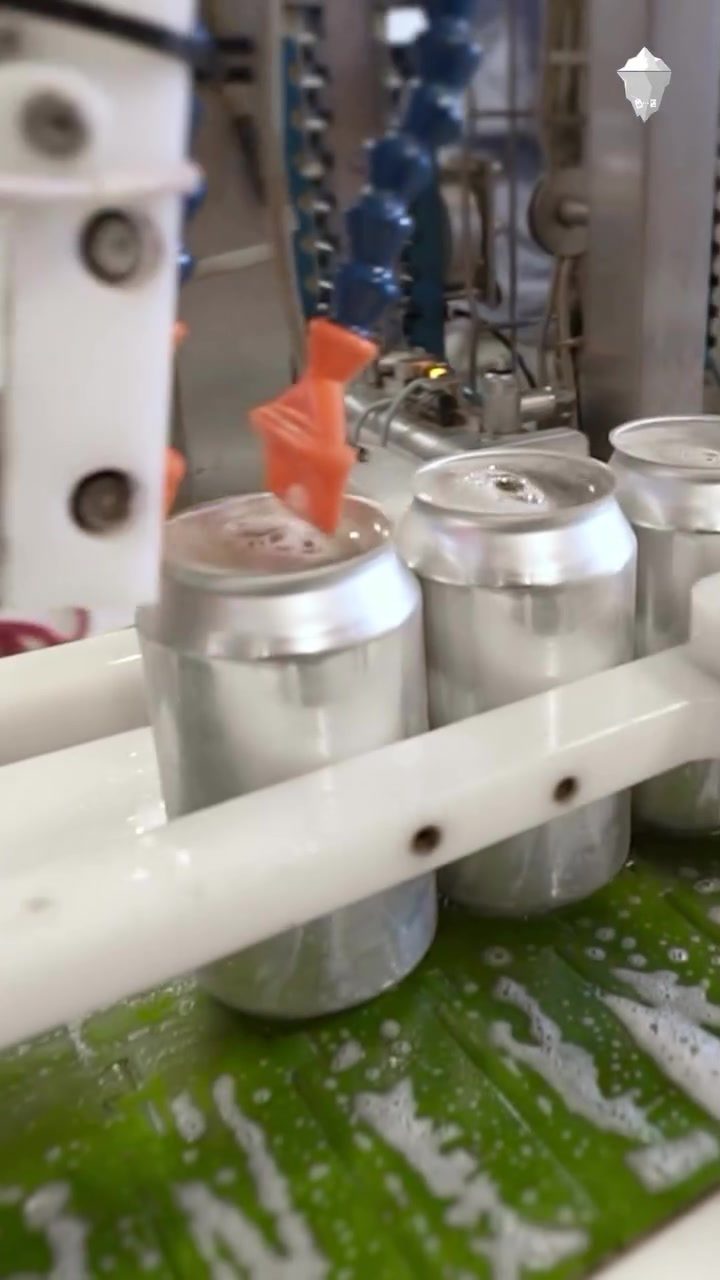
The automated process of filling aluminum cans involves several key steps. Cans are moved along a conveyor belt where they are filled through nozzles and then capped. This high-speed production line ensures that thousands of cans can be processed in a short amount of time. The precision of this process is crucial for maintaining consistency in product quality and minimizing waste.
Red Bull's Unique Business Model
While many people associate Red Bull with a massive beverage manufacturing operation, the reality is quite different. Red Bull does not actually produce its own drink. Instead, the famous beverage is manufactured by third-party factories in Austria and Switzerland. Red Bull's core competencies lie in branding, logo design, and distribution. By outsourcing the production, Red Bull can focus on building and maintaining its brand, which is one of the most recognizable in the world.
Deep Dive into the Process
Automated Can Filling
The process of filling aluminum cans involves several automated steps. Cans are fed onto a conveyor belt where they are guided through a series of stations. Each station performs a specific task, from filling the cans to capping them. This automated system ensures that the process is both efficient and precise, minimizing the risk of errors and reducing the need for manual intervention.
The Role of Branding and Distribution
Red Bull's success is largely attributed to its exceptional branding and distribution strategies. By outsourcing the manufacturing process, Red Bull can focus on developing a strong brand image and ensuring that its products are widely available. The iconic Red Bull logo and its marketing campaigns are designed to create a lasting impression on consumers, making it a recognizable brand worldwide.
Cost and Profit Margins
The cost to produce a single can of Red Bull is approximately nine pence, while consumers pay around two pounds for it. This significant gap between production costs and retail prices funds Red Bull's extensive marketing and distribution efforts. The funds are used to support high-octane activities like Formula 1 teams and extreme sports events, which further enhance the brand's image and reach.
Behind-the-Scenes Operations
Much of Red Bull's operations are conducted behind the scenes, away from the public eye. This includes the distribution process, which ensures that Red Bull products are available in various locations, from petrol stations to supermarkets. Efficient distribution channels allow Red Bull to maintain high availability and reach a broader audience.
Marketing and Brand Management
Red Bull's marketing strategy is centered around creating an image of energy, adventure, and excitement. The brand is often associated with extreme sports and high-energy activities, which appeal to a young and adventurous demographic. By sponsoring events and athletes, Red Bull can maintain its position as a leading energy drink brand.
Practical Tips for Effective Brand Management
Focus on Core Competencies
One of the key takeaways from Red Bull's business model is the importance of focusing on core competencies. By outsourcing the manufacturing process, Red Bull can concentrate on what it does best: branding and distribution. This allows the company to maintain a strong brand image and ensure that its products are widely available.
Leverage Marketing and Distribution
Effective marketing and distribution are essential for building a successful brand. Red Bull's extensive marketing campaigns and distribution channels ensure that its products are available in various locations, from petrol stations to supermarkets. This allows the company to reach a broader audience and maintain high availability.
Maintain Precision in Production
While the production process is outsourced, maintaining precision and efficiency in the filling and capping of cans is crucial. This ensures that the product quality remains consistent and that waste is minimized. The automated process used in filling aluminum cans is a testament to the efficiency and precision of modern manufacturing.
Important Takeaways
The aluminum can filling process and Red Bull's business strategy offer valuable insights into modern manufacturing and marketing. By outsourcing production, Red Bull can focus on building and maintaining a strong brand, which is essential for its success. The efficiency and precision of the can filling process are crucial for maintaining product quality and minimizing waste. Additionally, Red Bull's marketing and distribution strategies ensure that its products are widely available and appealing to a broad audience.
Conclusion
The aluminum can filling process is a testament to modern manufacturing efficiency, while Red Bull's business strategy highlights the importance of branding and distribution. By focusing on core competencies and leveraging effective marketing and distribution channels, Red Bull has built a strong brand and maintained high availability. This unique approach offers valuable insights into the world of brand management and manufacturing.
Watch the Reel
Questions readers ask
Why does Red Bull use aluminum cans for its beverages?
Red Bull chooses aluminum cans for several reasons, including their recyclability, durability, and ability to keep the beverage fresh. Aluminum cans also allow for a high-speed, automated filling process, which is crucial for maintaining efficiency and precision in the supply chain. Additionally, the sleek design of aluminum cans aligns well with Red Bull's powerful, iconic branding.
How does outsourcing contribute to Red Bull's global success?
Outsourcing plays a significant role in Red Bull's global success by allowing the company to focus on its core competencies, such as branding and marketing. By partnering with third-party manufacturers, Red Bull can ensure consistent production quality while reducing operational costs. This strategy enables the company to maintain a strong global presence and efficiently manage its extensive supply chain.
What is the significance of Red Bull's distribution strategy?
Red Bull's distribution strategy is centered around ensuring the widespread availability of its products. The company leverages a robust network of distributors and retailers to reach consumers in over 170 countries. By maintaining strong relationships with these partners and utilizing efficient supply chain management, Red Bull can quickly respond to market demands and maintain its position as a leading beverage brand.
How does the aluminum can filling process impact the beverage industry?
The aluminum can filling process is pivotal in the beverage industry as it allows for efficient, high-speed production. This process ensures that beverages are filled, capped, and prepared for distribution with remarkable precision, minimizing waste and maintaining product quality. Advances in this process have enabled companies like Red Bull to keep costs low and availability high, influencing the broader market.
What role does Red Bull's logo branding play in its global success?
Red Bull's logo branding is a cornerstone of the company's global success. The distinctive logo and consistent branding across all products create a strong, recognizable image. This branding strategy helps to build consumer loyalty and helps the company stand out in a competitive market. Effective brand management ensures that Red Bull's products are easily identifiable and desirable to consumers worldwide.
How does Red Bull's production process in Switzerland influence its global operations?
Red Bull's production process in Switzerland sets a benchmark for quality and efficiency that is maintained across its global operations. The company's commitment to precision and innovation in manufacturing, coupled with its strategic outsourcing, allows it to uphold high standards worldwide. By leveraging Swiss expertise and technology, Red Bull ensures that its products meet consistent quality levels regardless of the production location.
How does Red Bull manage production costs to remain competitive in the beverage industry?
Red Bull manages production costs through a combination of strategic outsourcing and efficient manufacturing processes. By partnering with third-party producers, the company can reduce overhead costs and maintain high production standards. Additionally, the use of automated, high-speed aluminum can filling processes helps to minimize waste and enhance operational efficiency, keeping costs competitive in the global beverage market.
Recent articles
Fresh deep dives from the latest Reels we unpacked.




Comments
Be the first to comment.