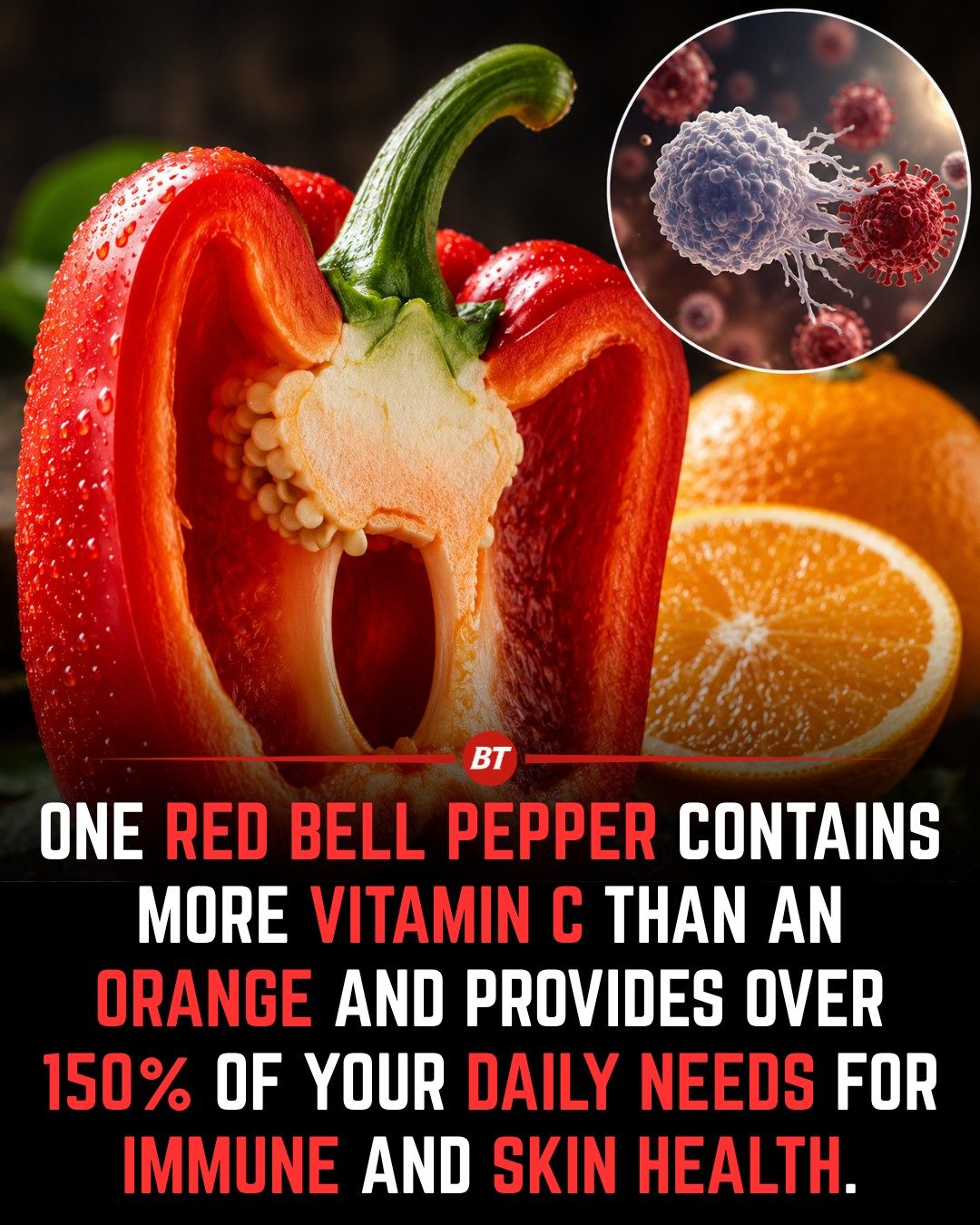
Red bell peppers are often overlooked when it comes to vitamin C, with many people reaching for an orange instead. However, red bell peppers are among the richest sources of this essential vitamin in the produce aisle.
A single red bell pepper can provide well over 150% of your daily vitamin C needs. This makes it a powerful food for supporting immune function, collagen production, and healthy skin.
Context/Why this matters
Vitamin C is crucial for various bodily functions. It is essential for the formation of collagen, the structural protein that keeps your skin firm, helps wounds heal, and supports healthy blood vessels. Additionally, vitamin C acts as a powerful antioxidant, helping protect cells from oxidative stress caused by pollution, UV exposure, and normal aging.
Research indicates that people with higher vitamin C intake often exhibit healthier skin aging markers. This is likely because vitamin C plays a direct role in maintaining collagen and protecting skin cells from damage.
Red bell peppers also provide other benefits, including:
Beta-carotene: A precursor to vitamin A, which is essential for vision, immune function, and reproductive health.
Vitamin E: A fat-soluble antioxidant that helps protect cells from damage caused by free radicals.
Other antioxidants: These compounds work together to create a powerful combination for both immune and skin health.
Red bell peppers are also relatively low in sugar compared to many fruits, while delivering an impressive concentration of nutrients. This makes them one of the most nutrient-dense vegetables you can eat.
Main Discussion
Red bell peppers excel at delivering a significant amount of vitamin C, a nutrient essential for immune support and overall health. This nutrient assists in the formation of collagen, which is critical for maintaining skin elasticity and helping with wound healing. Additionally, vitamin C acts as a powerful antioxidant, safeguarding cells against oxidative stress.
The immune-boosting power of vitamin C
Vitamin C plays a pivotal role in the immune system, aiding in the production of white blood cells, which help fight off infections. Regular consumption of vitamin C-rich foods like red bell peppers can help support and strengthen the immune system, particularly during periods of increased stress or illness.
Collagen production and skin health
Red bell peppers are particularly renowned for their high vitamin C content, which is essential for collagen production. Collagen is a structural protein that keeps the skin firm and supports healthy blood vessels. By consuming red bell peppers, individuals can help maintain youthful skin, promote wound healing, and support overall skin health.
Protection against oxidative stress
Vitamin C also acts as a potent antioxidant, helping to protect cells from oxidative stress. This stress is caused by factors such as pollution, UV exposure, and normal aging. By neutralizing free radicals, vitamin C helps prevent cellular damage and supports overall health.
Additional nutrients
Red bell peppers offer more than just vitamin C. They also provide beta-carotene, vitamin E, and other antioxidants, creating a powerful combination for immune and skin health. Beta-carotene is converted to vitamin A in the body, which is essential for vision and immune function. Vitamin E is another fat-soluble antioxidant that helps protect cells from damage.
Practical tips
From salads to stir-fries, red bell peppers are a versatile addition. Here are some practical tips to maximize their nutritional benefits:
Raw consumption
Enjoying red bell peppers raw in salads or as a quick snack allows you to reap the full benefits of their vitamin C and antioxidant content.
Cooking methods
Lightly cooking red bell peppers in stir-fries or sautés can also help retain their nutritional value. Avoid overcooking, as excessive heat can degrade vitamin C and other sensitive nutrients.
Storage
Store red bell peppers in the refrigerator to maintain their freshness and nutritional content. Keep them away from direct sunlight and extreme temperatures to prevent spoilage.
Incorporating into meals
Slicing red bell peppers and adding them to sandwiches, wraps, or as a topping for pizza can boost the nutritional value of your meals. They also pair well with various flavors, making them a versatile ingredient in many dishes.
Important Takeaways
When considering the nutritional value of red bell peppers, there are several key points to remember:
- Rich in Vitamin C: Red bell peppers provide more vitamin C than oranges, supporting immune function and collagen production.
- Low in Sugar: Compared to many fruits, red bell peppers are relatively low in sugar, making them a healthier option for those watching their sugar intake.
- Versatile Culinary Uses: Red bell peppers can be enjoyed raw, lightly cooked, or incorporated into various dishes, offering flexibility in meal planning.
- Additional Nutrients: Beyond vitamin C, red bell peppers offer beta-carotene, vitamin E, and other antioxidants, contributing to overall health.
Conclusion
Incorporating red bell peppers into your diet is a simple and effective way to boost your vitamin C intake, support your immune system, and promote healthy skin. With their versatility in the kitchen and impressive nutritional profile, red bell peppers are a valuable addition to any well-rounded diet. Whether consumed raw or lightly cooked, these vibrant vegetables offer a range of health benefits that make them a smart choice for anyone looking to enhance their overall wellness.
Watch the Reel
Questions readers ask
How much vitamin C does a red bell pepper contain?
A single red bell pepper provides over 150% of the daily recommended intake of vitamin C. This makes it an excellent choice for boosting your vitamin C levels.
Why are red bell peppers better than green ones for vitamin C?
Red bell peppers contain significantly more vitamin C than green ones. This is due to the ripening process, as green peppers are essentially unripe red peppers. The longer a bell pepper stays on the vine, the more vitamin C it produces.
Can red bell peppers help improve skin health?
Yes, the high vitamin C content in red bell peppers supports collagen production, which is essential for maintaining skin elasticity and reducing the appearance of wrinkles. Additionally, vitamin C helps protect the skin from oxidative stress.
How do red bell peppers support the immune system?
Red bell peppers are a powerhouse of vitamin C, which is crucial for immune function. Vitamin C helps stimulate the production of white blood cells and protects them from damage, enhancing the body's ability to fight infections.
What are some ways to incorporate more red bell peppers into my diet?
Red bell peppers are versatile and can be eaten raw, cooked, or roasted. Try adding them to salads, stir-fries, or even snack on them with hummus. You can also use them as a topping for pizzas or in sandwiches and wraps.
How does the vitamin C in red bell peppers compare to that in citrus fruits?
Red bell peppers contain more vitamin C than many citrus fruits. For instance, one medium red bell pepper provides more vitamin C than an average orange. This makes red bell peppers a fantastic alternative for those looking to boost their vitamin C intake beyond citrus fruits.
Are there other health benefits of red bell peppers besides vitamin C?
Yes, red bell peppers are rich in other beneficial nutrients, including vitamin A, vitamin B6, and potassium. They also contain antioxidants that can help reduce inflammation and support overall health.
Related deep dives
Similar reads based on topic and creator.




Recent articles
Fresh deep dives from the latest Reels we unpacked.




Comments
Be the first to comment.