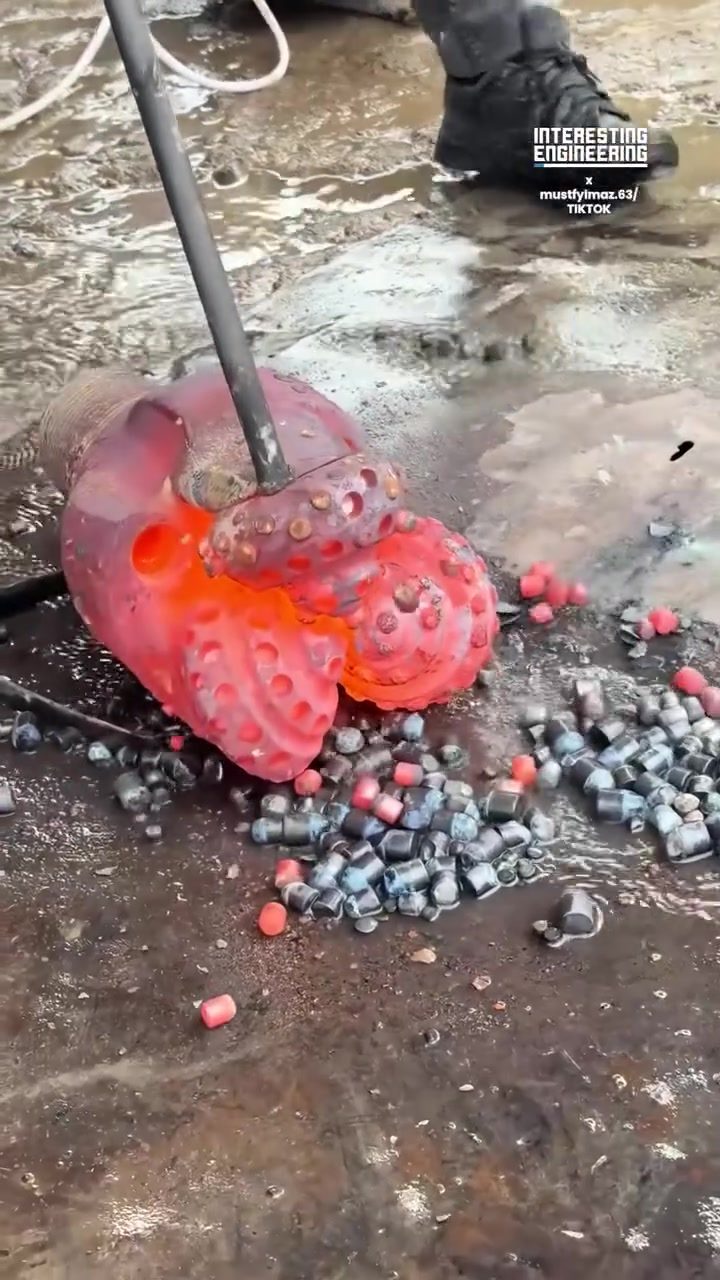
Metalworking and Recycling Tungsten Carbide Inserts
Tungsten carbide is a crucial material in various industrial applications, particularly in drilling equipment used in mining, oil, and geothermal operations. Understanding the process of recycling and reusing these valuable inserts can significantly benefit operations and the environment.
Context / Why This Matters
The process of recycling tungsten carbide inserts from worn drilling equipment is not only cost-effective but also environmentally friendly. By salvaging and reusing these materials, industries can reduce waste and lower the demand for newly mined raw materials. This is particularly important in sectors like mining, oil, and geothermal, where the lifecycle of drilling equipment is intense and costly.
Main Discussion
The Process of Recycling Tungsten Carbide
Recycling tungsten carbide inserts begins with heating the worn tricone drill bit cone until the steel glows red hot. This intense heat causes the tungsten carbide buttons to loosen and drop out. These recovered carbide inserts are then valuable and can be reused or recycled efficiently.
The process involves several key steps:
-
Heating the Drill Bit Cone: Workers heat the worn tricone drill bit cone until the steel reaches a red-hot state. This high temperature is crucial for loosening the tungsten carbide buttons.
-
Extraction of Carbide Inserts: As the steel heats up, the tungsten carbide buttons begin to loosen and drop out. This separation is critical for extracting the valuable carbide inserts.
-
Salvaging and Reusing: The recovered carbide inserts are then salvaged and can be reused in other drilling equipment or recycled for various industrial applications.
Applications and Benefits
Recycling tungsten carbide inserts has numerous applications and benefits across different industries:
-
Mining: In mining operations, drilling equipment is subjected to extreme conditions. Recycling tungsten carbide inserts helps in maintaining the equipment's lifespan and reducing the cost of replacement.
-
Oil and Gas: The oil and gas industry relies heavily on drilling equipment. Efficiently recycling tungsten carbide inserts ensures that the equipment remains operational, reducing downtime and maintenance costs.
-
Geothermal Operations: Geothermal drilling requires robust equipment that can withstand high temperatures and pressures. Recycling tungsten carbide inserts helps in maintaining the durability and performance of this equipment.
Environmental Impact
The environmental impact of recycling tungsten carbide inserts is profound:
-
Reduced Waste: By recycling these materials, industries can significantly reduce the amount of waste generated from worn drilling equipment.
-
Conservation of Resources: Recycling and reusing tungsten carbide inserts lower the need for newly mined raw materials, conserving natural resources.
-
Lower Carbon Footprint: The process of mining and processing new materials is energy-intensive and contributes to greenhouse gas emissions. Recycling helps in reducing the carbon footprint of industrial operations.
Economic Benefits
The economic benefits of recycling tungsten carbide inserts are equally significant:
-
Cost Savings: Reusing and recycling these inserts can lead to substantial cost savings for industries, as they reduce the need for purchasing new materials.
-
Increased Efficiency: Maintaining and recycling equipment ensures that operations run smoothly, minimizing downtime and increasing overall efficiency.
-
Market Demand: The demand for recycled tungsten carbide inserts is growing, creating new market opportunities for suppliers and recyclers.
Practical Tips
Recycling tungsten carbide inserts requires careful handling and specialized equipment. Here are some practical tips for industries looking to implement this process:
1. Proper Handling and Safety
-
Safety Gear: Ensure that workers are equipped with appropriate safety gear, including heat-resistant gloves and protective eyewear.
-
Controlled Environment: Conduct the heating process in a controlled environment to prevent accidents and ensure the safety of workers.
2. Efficient Extraction Techniques
-
Temperature Control: Maintain precise temperature control to ensure that the tungsten carbide buttons are effectively loosened without damaging the steel.
-
Mechanical Assistance: Use mechanical tools to assist in the extraction process, making it more efficient and less labor-intensive.
3. Quality Control
-
Sorting and Grading: Properly sort and grade the recovered carbide inserts to ensure they meet quality standards for reuse or recycling.
-
Testing: Conduct thorough testing to verify the integrity and performance of the recycled inserts before reusing them in new equipment.
Important Takeaways
Recycling and reusing tungsten carbide inserts is a valuable practice that benefits industries and the environment. The process of heating the worn tricone drill bit cone to extract the carbide buttons is efficient and cost-effective. Industries can significantly reduce waste, conserve resources, and lower their carbon footprint by implementing this practice. The economic benefits, including cost savings and increased efficiency, further underscore the importance of recycling tungsten carbide inserts.
Conclusion
The process of recycling tungsten carbide inserts from worn drilling equipment is a sustainable and economically viable solution for industries involved in mining, oil, and geothermal operations. By following the outlined steps and practical tips, industries can efficiently salvage and reuse these valuable materials, contributing to a more sustainable future. This practice not only benefits the environment but also enhances operational efficiency and cost-effectiveness.
Watch the Reel
Questions readers ask
What are the primary benefits of recycling tungsten carbide inserts?
Recycling tungsten carbide inserts offers two main benefits: cost savings and environmental sustainability. By reusing these materials, companies can reduce waste and lower their dependence on newly mined raw materials.
Which industries can benefit most from tungsten carbide recycling?
Industries that can benefit most from tungsten carbide recycling include mining, oil, and geothermal. These sectors rely heavily on drilling equipment and can significantly cut costs and waste by recycling worn carbide inserts.
How does recycling tungsten carbide inserts contribute to environmental sustainability?
Recycling tungsten carbide inserts reduces the amount of waste generated and lowers the demand for newly mined raw materials. This helps to conserve natural resources and minimize the environmental impact of mining and processing new materials.
What is the process of recycling tungsten carbide inserts?
The process involves collecting worn carbide inserts from drilling equipment, then salvaging and reusing the valuable tungsten carbide materials. This can be done through specialized recycling programs or in-house initiatives designed to recover and reintegrate the materials into new products.
Is tungsten carbide recycling a cost-effective solution for metalworking industries?
Yes, tungsten carbide recycling is cost-effective. By reusing the valuable materials from worn inserts, industries can reduce their expenses on raw materials and minimize waste disposal costs, making it a financially beneficial practice.
Can tungsten carbide inserts be recycled multiple times?
Tungsten carbide can be recycled multiple times, although the quality may degrade with each cycle. However, even after multiple recycling processes, the material can still be used in less demanding applications, extending its useful life.
What are the challenges associated with tungsten carbide recycling?
Challenges include the need for specialized equipment and processes to effectively recover and reuse the material. Additionally, ensuring the quality and consistency of recycled tungsten carbide can be complex, requiring careful management and control throughout the recycling process.
Related deep dives
Similar reads based on topic and creator.


Recent articles
Fresh deep dives from the latest Reels we unpacked.




Comments
Be the first to comment.