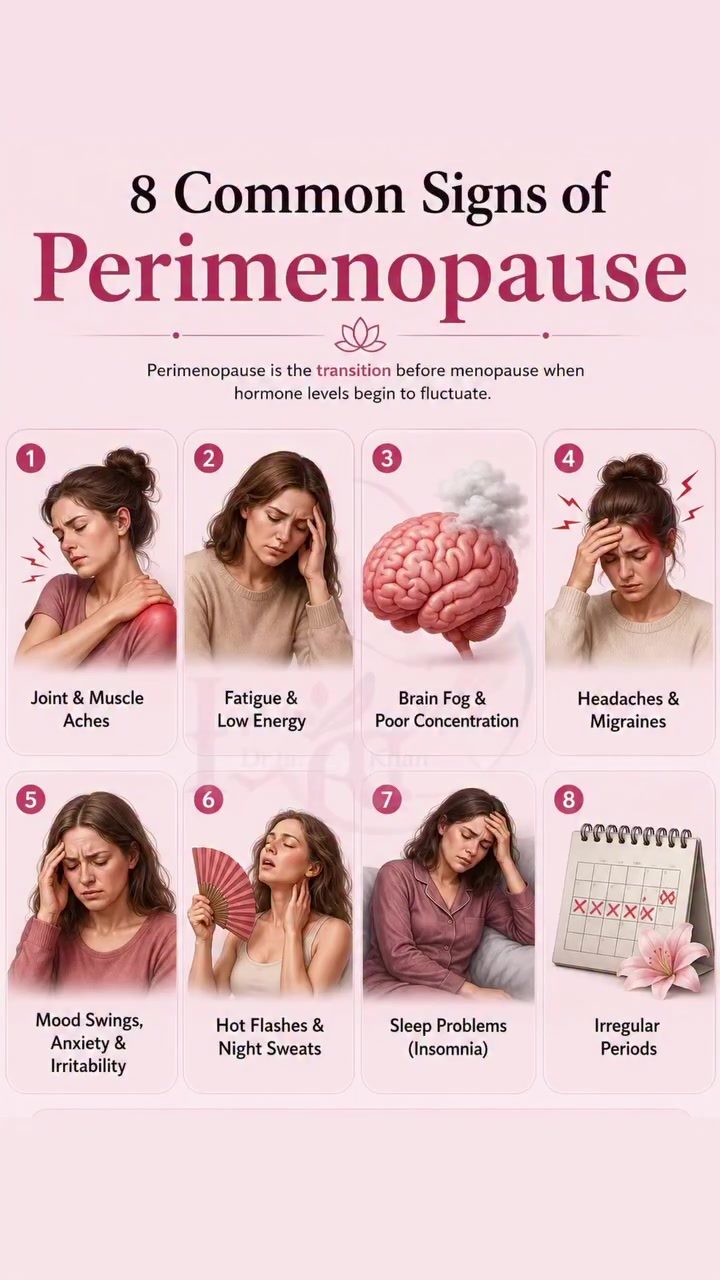
Perimenopause Signs: Understanding the Transition
Experiencing changes that feel unfamiliar? You might be going through perimenopause, the natural transition that occurs before menopause. This phase is characterized by fluctuating hormone levels, which can lead to a variety of symptoms. Perimenopause affects every woman differently, but recognizing the common signs can help you navigate this period more smoothly.
Why This Matters
Perimenopause is a critical phase in a woman's life, typically beginning in the mid-30s to early 40s and lasting until menopause. Understanding the signs and symptoms can help you prepare for the changes and seek appropriate support if needed. This knowledge is empowering, allowing you to take proactive steps to manage your health and well-being during this transitional time.
Common Signs of Perimenopause
Hormone Fluctuations and Their Impact
During perimenopause, your body undergoes significant hormonal changes. Estrogen and progesterone levels begin to fluctuate, leading to a range of physical and emotional symptoms. These hormonal shifts can cause mood swings, anxiety, and irritability, as well as hot flashes and night sweats. Understanding these fluctuations can help you manage your expectations and seek support when needed.
Physical Symptoms
Joint and Muscle Aches
Many women experience joint and muscle aches during perimenopause. These pains can range from mild discomfort to more severe chronic pain. The exact cause is not fully understood, but it is believed to be related to hormonal changes. Regular exercise, a balanced diet, and adequate rest can help alleviate these symptoms.
Fatigue and Low Energy
Feeling constantly tired and low on energy is another common symptom. This fatigue can be exacerbated by sleep problems, which are also common during perimenopause. Establishing a consistent sleep routine and maintaining a healthy lifestyle can help combat fatigue.
Brain Fog and Poor Concentration
Brain fog, or a feeling of mental confusion and difficulty concentrating, can be particularly frustrating. This symptom can affect your work, personal life, and overall well-being. Keeping your mind active through puzzles, reading, and mental exercises can help improve concentration.
Headaches and Migraines
Perimenopause can also bring on headaches and migraines. These can be triggered by hormonal changes, stress, and lack of sleep. Identifying your triggers and managing stress through relaxation techniques can help reduce the frequency and severity of headaches.
Emotional and Mental Health
Mood Swings, Anxiety, and Irritability
Hormonal fluctuations can lead to significant mood swings, increased anxiety, and irritability. These emotional changes can strain relationships and affect daily life. Practicing mindfulness, seeking support from friends and family, and considering therapy or counseling can help manage these emotional challenges.
Sleep Problems
Insomnia and other sleep disturbances are common during perimenopause. Hot flashes, night sweats, and anxiety can disrupt sleep patterns. Maintaining good sleep hygiene, such as creating a calming bedtime routine and ensuring a comfortable sleep environment, can improve sleep quality.
Irregular Periods
One of the most noticeable signs of perimenopause is changes in your menstrual cycle. Periods may become irregular, with variations in flow, duration, and frequency. Keeping track of your menstrual cycle can help you understand these changes and prepare for any potential disruptions.
Practical Tips for Managing Perimenopause
Lifestyle Changes
Adopting a healthy lifestyle can significantly ease the symptoms of perimenopause. Regular exercise, a balanced diet, and adequate sleep are essential. Incorporating stress-reduction techniques such as yoga, meditation, and deep breathing can also help manage emotional and physical symptoms.
Medical Interventions
If lifestyle changes are not enough, consider consulting a healthcare provider. They can offer medical interventions such as hormone replacement therapy (HRT), which can help stabilize hormone levels and alleviate symptoms. Non-hormonal medications and supplements may also be recommended based on your specific needs.
Mental Health Support
Seek support from therapists, counselors, or support groups. Talking to others who are going through the same experience can provide comfort and practical advice. Engaging in activities that bring you joy and fulfillment can also boost your mental health.
Important Takeaways
Perimenopause is a natural and inevitable phase in a woman's life. While it can bring about various physical and emotional changes, being informed about the common signs and symptoms can help you navigate this transition more effectively. Recognize that every woman experiences perimenopause differently, and what works for one may not work for another. Stay proactive, seek support when needed, and remember that you are not alone in this journey.
Conclusion
Perimenopause is a significant phase that requires awareness and understanding. By recognizing the common signs and taking proactive steps to manage the symptoms, you can enhance your well-being during this transitional period. Embrace the changes, seek support, and remember that this phase is a natural part of life.
Watch the Reel
Questions readers ask
What are the most common symptoms of perimenopause?
The most common symptoms of perimenopause include mood swings, hot flashes, fatigue, irregular periods, and sleep problems. Other signs may include brain fog, joint pain, and changes in libido. These symptoms can vary greatly from woman to woman, and their severity can change over time.
How can I differentiate between perimenopause and menopause?
Perimenopause is the transitional phase leading up to menopause, during which hormone levels fluctuate. Menopause is defined as the point when a woman has not had a menstrual period for 12 consecutive months. During perimenopause, you may still have periods, though they might be irregular, whereas during menopause, periods cease entirely.
Why do I feel more tired during perimenopause?
Fatigue is a common symptom of perimenopause due to hormonal fluctuations, particularly the changes in estrogen and progesterone levels. These fluctuations can affect sleep quality and energy levels, leading to increased feelings of tiredness and exhaustion. Maintaining a healthy lifestyle can help mitigate some of these effects.
Can perimenopause cause changes in my menstrual cycle?
Yes, perimenopause can cause significant changes in your menstrual cycle. Periods may become irregular, with variations in flow, duration, and the time between cycles. Some women may experience heavier or lighter periods, or even skip periods altogether. These changes are due to the fluctuating hormone levels that occur during this transitional phase.
How long does the perimenopause transition typically last?
The duration of perimenopause can vary greatly among women. On average, it can last for about 4 to 8 years, but it can be shorter or longer. Some women may experience symptoms for a decade or more before reaching menopause. It's important to remember that everyone's journey is unique, and the timing can be influenced by various factors, including genetics and overall health.
What can I do to manage mood swings during perimenopause?
Mood swings during perimenopause can be challenging, but there are several strategies to help manage them. Regular exercise, a balanced diet, and adequate sleep can all contribute to better mood regulation. Additionally, stress-reduction techniques such as yoga, meditation, and deep breathing exercises can be beneficial, as can maintaining a strong support network of friends and family.
What are the most common symptoms of perimenopause?
The most common symptoms of perimenopause include mood swings, hot flashes, fatigue, irregular periods, and sleep problems. Other signs may include brain fog, joint pain, and changes in libido. These symptoms can vary greatly from woman to woman, and their severity can change over time.
Recent articles
Fresh deep dives from the latest Reels we unpacked.




Comments
Be the first to comment.