Lupus Rash and the Malar Rash: A Key Symptom
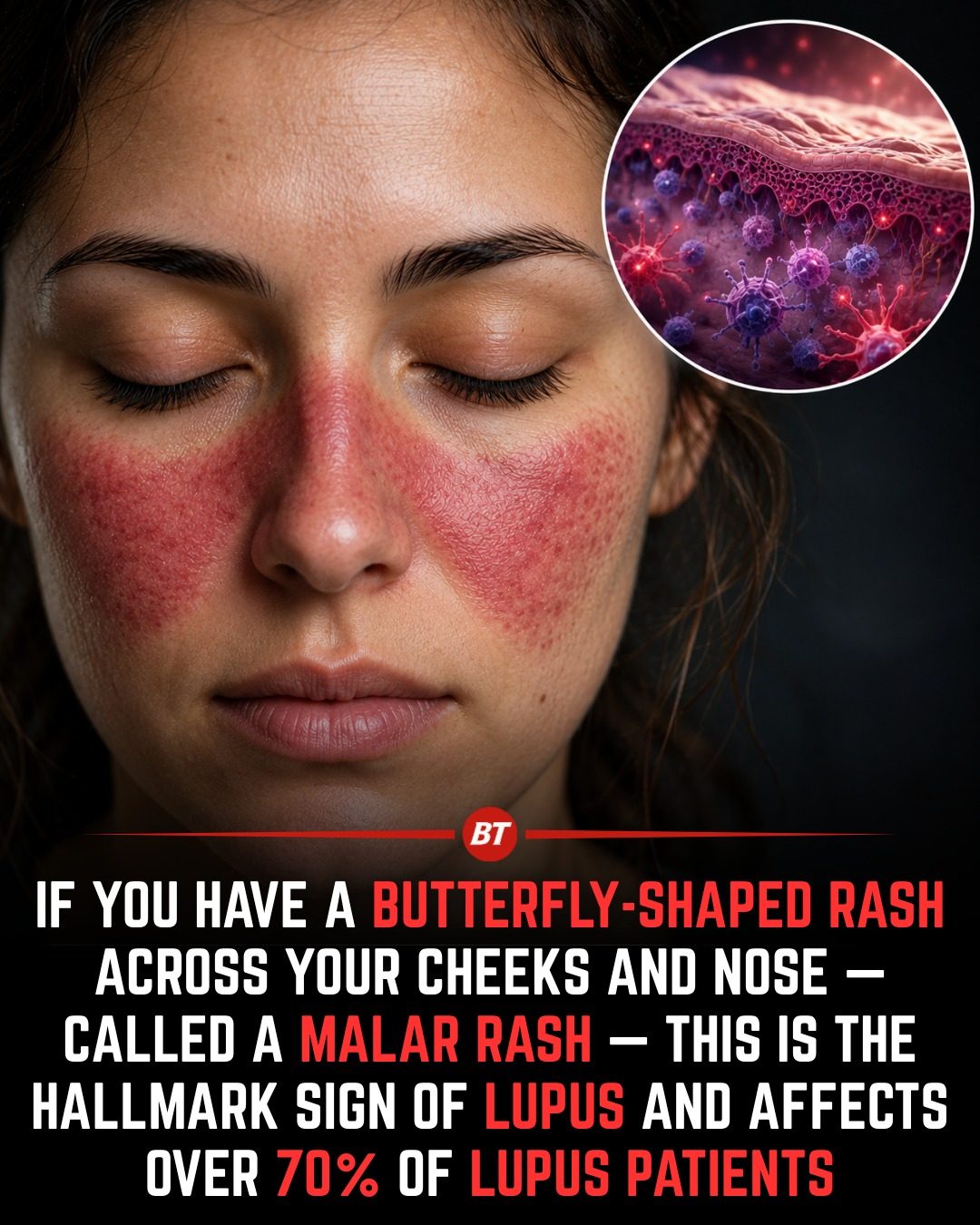
A distinctive butterfly-shaped rash across the face, known as a malar rash, can be a crucial indicator of lupus, an autoimmune condition in which the immune system mistakenly attacks the body's tissues. This rash, which spans both cheeks and the bridge of the nose, is one of the most recognizable signs of lupus and affects over 70% of lupus patients. Understanding the nature and significance of this rash is essential for early detection and appropriate medical intervention.
Why This Matters
Lupus is an unpredictable and complex autoimmune disease that can affect various parts of the body, including the joints, kidneys, heart, lungs, skin, and nervous system. The malar rash, while primarily a skin condition, serves as a critical clue to the underlying systemic issues. Skin involvement is extremely common in lupus, with many patients experiencing various skin symptoms throughout the course of the disease. Recognition of these symptoms can lead to timely diagnosis and potentially more effective management of the condition.
Understanding the Malar Rash
What is a Malar Rash?
A malar rash is a distinctive, butterfly-shaped rash that typically appears across the cheeks and the bridge of the nose, often sparing the folds beside the nostrils. This rash can vary in appearance, ranging from red and flat to slightly raised, and it may become more noticeable after exposure to sunlight. The distinctive shape and location of the malar rash make it a key symptom for diagnosing lupus.
How Common is the Malar Rash in Lupus?
According to research published in scientific journals such as Lupus Science & Medicine, over 70% of people with lupus develop a malar rash at some point during the course of their disease. This high prevalence underscores the importance of recognizing this rash as a potential indicator of lupus.
What Does the Malar Rash Look Like?
The malar rash often appears as a red, slightly raised rash that spreads across both cheeks and the bridge of the nose, forming a butterfly shape. It usually does not affect the folds beside the nostrils. Sun exposure can exacerbate the rash, making it more prominent.
When to Be Concerned
While a butterfly-shaped facial rash is not a definitive diagnosis of lupus, it should not be ignored. Persistent facial redness, especially when combined with other symptoms such as fatigue, joint pain, unexplained fevers, hair loss, and increased sensitivity to sunlight, should prompt a visit to a healthcare professional. Doctors consider these symptoms collectively to evaluate the possibility of lupus and determine the best course of action.
Other Symptoms to Watch For
Systemic Symptoms
Lupus can affect multiple systems in the body, and the presence of a malar rash is often accompanied by other symptoms. Fatigue, joint pain, and unexplained fevers are common, as is hair loss. Increased sensitivity to sunlight, known as photosensitivity, can also be a significant indicator. These symptoms, when combined with a malar rash, should be carefully evaluated and monitored.
Internal Organ Involvement
Lupus can cause complications in the kidneys, heart, and lungs, among other organs. Doctors often view the malar rash as a crucial clue that the immune system is highly active, which necessitates comprehensive diagnostic testing and ongoing monitoring of organ function.
Recognizing Flare-Ups
For those diagnosed with lupus, flare-ups can occur, during which symptoms worsen. The malar rash may become more pronounced, and other symptoms may intensify. Recognizing these flare-ups and seeking medical intervention promptly is crucial for managing the disease and preventing long-term damage.
Practical Tips for Managing Lupus
Monitoring Skin Health
Regular skin checks can help identify changes or flare-ups of the malar rash. Keeping a log of skin changes and other symptoms can provide valuable information for healthcare providers. Using sunscreen and wearing protective clothing can help minimize the impact of sunlight on the skin.
Seeking Early Medical Intervention
If you suspect you may have lupus, it's essential to consult a healthcare professional for a proper evaluation. Early diagnosis can lead to more effective management and better long-term outcomes. Regular check-ups and monitoring of organ function are key to managing lupus effectively.
Adopting a Healthy Lifestyle
Maintaining a healthy lifestyle, including a balanced diet, regular exercise, and adequate rest, can help manage lupus symptoms. Avoiding triggers, such as excessive sunlight and stress, can also be beneficial. Working closely with healthcare providers to develop a personalized treatment plan is essential for effective disease management.
Important Takeaways
The malar rash is a hallmark sign of lupus, affecting over 70% of patients. Recognizing this rash and understanding its significance can lead to earlier diagnosis and more effective management of the disease. Always consult a healthcare professional for a thorough evaluation and appropriate treatment.
Conclusion
The malar rash, with its distinctive butterfly shape, serves as a critical indicator of lupus. This skin condition, while often overlooked, can provide valuable clues about the underlying autoimmune condition. Early recognition and appropriate medical intervention are essential for managing lupus and improving overall health outcomes. By being mindful of the malar rash and other associated symptoms, individuals can take proactive steps toward better health and well-being.
Watch the Reel
Questions readers ask
What is a malar rash and how is it connected to lupus?
A malar rash is a distinctive, butterfly-shaped rash that spreads across the cheeks and the bridge of the nose. It is a common symptom of lupus, appearing in over 70% of patients. This rash can be a crucial indicator for early lupus recognition and diagnosis.
Can the malar rash appear on parts of the body other than the face?
No, the malar rash is specifically characterized by its location on the face, spanning the cheeks and the bridge of the nose in a butterfly shape. It does not typically appear on other parts of the body.
Are there other skin rashes associated with lupus besides the malar rash?
Yes, while the malar rash is one of the most recognizable lupus skin rashes, other skin manifestations can also occur. These include discoid rashes, which can appear as scaly, red patches on various parts of the body, and photosensitivity, where skin rashes develop or worsen with exposure to sunlight.
How can recognizing a malar rash help in managing lupus?
Identifying a malar rash can prompt early medical consultation and testing, which is vital for managing lupus. Early detection allows healthcare providers to initiate appropriate treatments and monitor the disease's progression, potentially preventing severe organ damage.
What should I do if I notice a butterfly-shaped rash on my face?
If you observe a butterfly-shaped rash on your face, it is important to consult with a healthcare professional. They can evaluate your symptoms, order necessary tests, and provide a proper diagnosis. Early intervention can significantly improve the outlook for managing lupus.
Can the malar rash be confused with other skin conditions?
Yes, the malar rash can sometimes be mistaken for other skin conditions, such as rosacea or seborrheic dermatitis. However, a healthcare professional can differentiate it through a physical examination and, if necessary, additional testing.
Is the malar rash always present in people with lupus?
No, while the malar rash is common in lupus patients, it does not appear in everyone with the condition. It is estimated to affect about 70% of lupus patients. Other symptoms can also indicate lupus, so it is essential to consider a range of potential signs.
Related deep dives
Similar reads based on topic and creator.




Recent articles
Fresh deep dives from the latest Reels we unpacked.



Comments
Be the first to comment.