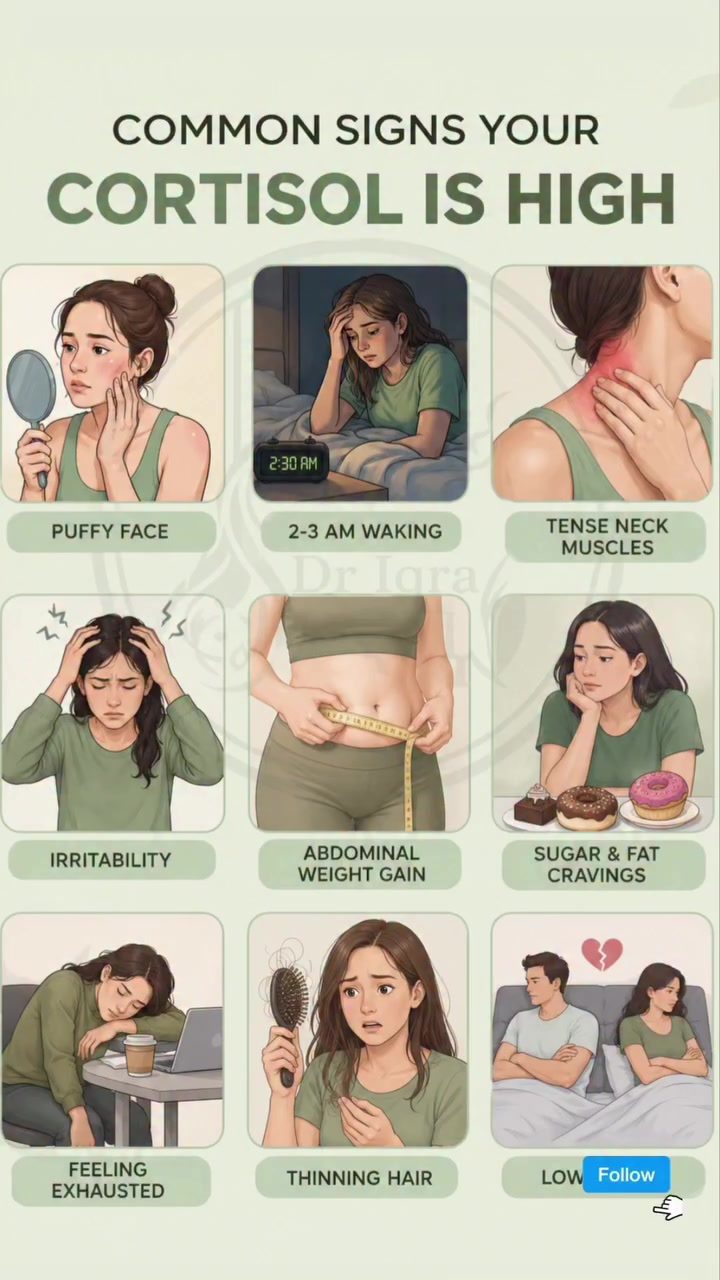
Signs of High Cortisol
Cortisol, a hormone produced by the adrenal glands, plays a crucial role in the body's response to stress. While stress is a normal part of life, chronic stress can lead to elevated cortisol levels, which in turn can manifest through various physical and emotional symptoms. Recognizing these signs is the first step in addressing and managing chronic stress effectively. This article explores the common indicators of high cortisol levels and provides practical tips for managing stress and promoting overall well-being.
Why this Matters
Understanding the signs of high cortisol is essential because chronic stress can significantly impact your daily life and overall health. Elevated cortisol levels can affect your mood, energy levels, weight, and even the quality of your sleep. By recognizing these symptoms, you can take proactive steps to manage stress and improve your well-being.
Common Symptoms of High Cortisol
Physical Symptoms
High cortisol levels can manifest in several physical ways. These symptoms often become noticeable when stress levels remain elevated for extended periods. Some of the most common physical indicators include:
-
Puffy Face: Elevated cortisol can lead to fluid retention in the face, resulting in a puffy appearance. This is often one of the first noticeable changes.
-
Abdominal Weight Gain: Cortisol is closely linked to weight gain, particularly around the abdominal area. This type of weight gain is often resistant to diet and exercise.
-
Thinning Hair: High cortisol levels can impact the hair growth cycle, leading to thinning hair and increased hair loss. This can be particularly concerning for those who already have hair concerns.
-
Tense Neck and Shoulder Muscles: Chronic stress often manifests as physical tension, particularly in the neck and shoulders. This can lead to discomfort, stiffness, and even headaches.
Behavioral and Emotional Symptoms
In addition to physical symptoms, high cortisol levels can also affect your behavior and emotional state. Some of the behavioral and emotional symptoms to watch out for include:
-
Irritability and Mood Changes: Elevated cortisol levels can make you more irritable and prone to mood swings. You may find yourself feeling more easily frustrated or anxious.
-
Feeling Constantly Exhausted: Despite getting enough sleep, you may feel constantly tired and drained. This exhaustion can affect your productivity and overall quality of life.
-
Increased Cravings for Sugar and Fat: High cortisol levels can lead to changes in your appetite and food cravings. You may find yourself craving sugary and fatty foods more frequently.
Sleep Patterns
Cortisol levels also play a significant role in your sleep patterns. Chronic stress can disrupt your sleep, leading to:
-
Waking Up Between 2-3 AM: One of the most common symptoms of high cortisol is waking up between 2 and 3 AM. This can be particularly disruptive to your sleep cycle, leaving you feeling groggy and tired the next day.
-
Reduced Libido: Elevated cortisol levels can also affect your libido, making it harder to maintain a healthy sex life.
Practical Tips for Managing High Cortisol
Managing high cortisol levels involves a combination of lifestyle changes and stress-reducing techniques. Here are some practical tips to help you manage stress and promote overall well-being:
Stress Management
-
Mindfulness and Meditation: Incorporating mindfulness practices and meditation into your daily routine can help reduce stress levels and promote relaxation.
-
Deep Breathing Exercises: Deep breathing exercises can help calm the mind and reduce cortisol levels. Try taking a few minutes each day to practice deep, measured breaths.
Sleep Hygiene
-
Establish a Consistent Sleep Schedule: Go to bed and wake up at the same time every day, even on weekends. This can help regulate your body's internal clock and improve sleep quality.
-
Create a Relaxing Bedtime Routine: Engage in calming activities before bed, such as reading, taking a warm bath, or listening to soothing music.
Exercise and Diet
-
Regular Exercise: Engaging in regular physical activity can help reduce stress and improve your overall mood. Aim for at least 30 minutes of moderate exercise most days of the week.
-
Balanced Diet: Eating a balanced diet rich in fruits, vegetables, and lean proteins can provide your body with the nutrients it needs to manage stress effectively. Limit your intake of processed foods, sugar, and caffeine.
Important Takeaways
Recognizing the signs of high cortisol is the first step in addressing chronic stress. By understanding the physical, emotional, and behavioral changes that can occur, you can take proactive steps to manage stress and improve your overall well-being.
When to Seek Help
If you experience any of these symptoms persistently or if they interfere with your daily life, it is important to consult a qualified healthcare professional. They can provide a proper evaluation and recommend appropriate treatment options.
The Role of Lifestyle
Lifestyle changes play a crucial role in managing high cortisol levels. By incorporating stress-reducing techniques, maintaining a consistent sleep schedule, exercising regularly, and eating a balanced diet, you can support your body's natural stress response and promote overall well-being.
Conclusion
High cortisol levels can significantly impact your physical and emotional health. By recognizing the common signs of elevated cortisol and taking proactive steps to manage stress, you can improve your overall well-being and quality of life. Incorporating stress-reducing techniques, maintaining a healthy lifestyle, and seeking professional help when needed can all contribute to managing high cortisol levels effectively.
Watch the Reel
Questions readers ask
What are the primary physical symptoms of high cortisol levels?
High cortisol levels can manifest in several physical ways. These include sudden weight gain, particularly around the midsection and upper back, a puffy or rounded face, and increased fat around the neck. Additionally, high cortisol can lead to thinning skin, easy bruising, and even hair loss.
How does high cortisol affect mood and emotion?
Chronic stress and high cortisol levels can significantly impact your emotional well-being. You may experience increased irritability, mood swings, and difficulty managing stress. Some people also report feeling jittery or on edge constantly.
What are some effective stress management techniques to lower cortisol levels?
To manage cortisol levels, incorporate techniques like regular exercise, mindfulness practices such as meditation, and maintaining a consistent sleep schedule. Additionally, ensure a balanced diet and limit caffeine and sugar intake. Engaging in hobbies and social activities can also help reduce stress and lower cortisol levels.
Why do high cortisol levels cause fatigue, and how can it be managed?
High cortisol levels can disrupt your sleep patterns, leading to feelings of exhaustion during the day. To manage this, establish a consistent sleep routine, create a relaxing bedtime environment, and avoid screens before bed. If fatigue persists, consult a healthcare professional to rule out other potential causes.
How does high cortisol affect women differently than men?
Women may experience unique symptoms of high cortisol, such as changes in menstrual cycles and increased symptoms of PMS or menopause. Additionally, women may be more susceptible to emotional symptoms like increased anxiety, depression and irritability. These symptoms can significantly impact daily life, so it's important to recognize and address them promptly.
Can high cortisol levels cause disruptions in daily life, and how can this be addressed?
Yes, high cortisol levels can cause significant disruptions in daily life, including difficulty concentrating, memory lapses, and decreased productivity. To address these issues, prioritize stress-management techniques and consider seeking support from a mental health professional if symptoms persist.
What should I do if I suspect I have high cortisol levels?
If you suspect you have high cortisol levels, keep a journal of your symptoms and consult a healthcare professional. They can perform tests to confirm elevated cortisol levels and develop a personalized plan to manage your stress and improve your overall well-being. This may include lifestyle changes, therapy, or medication.
Recent articles
Fresh deep dives from the latest Reels we unpacked.




Comments
Be the first to comment.