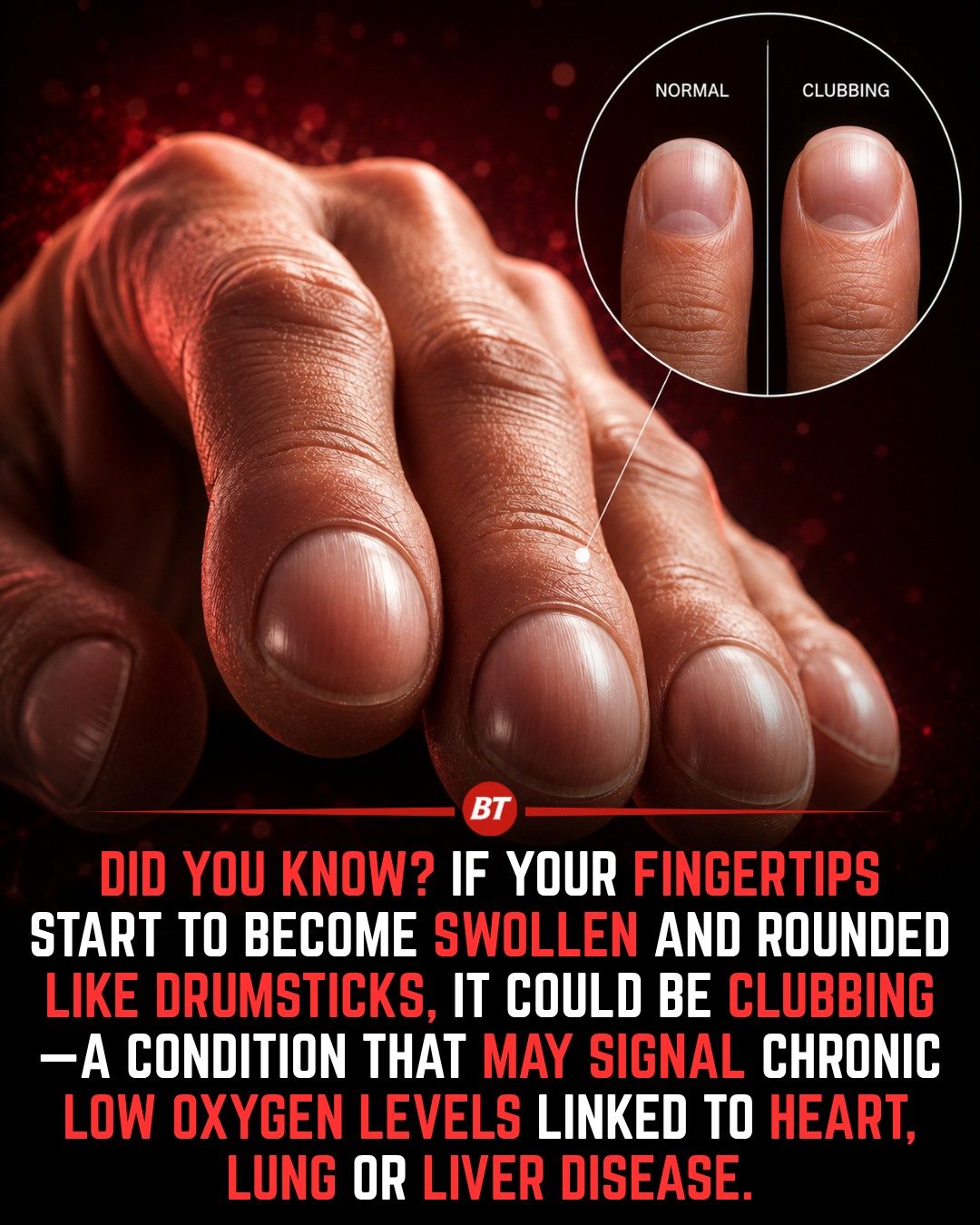
Digital Clubbing: a sign of chronic low oxygen levels
Digital clubbing is a condition where the fingertips become swollen, rounded, and bulbous, resembling drumsticks. This change in appearance is not merely a cosmetic issue; it can signal chronic low oxygen levels in the body, which may be linked to serious underlying health conditions. Digital clubbing is a sign to be aware of, as it could be indicative of heart, lung, or liver disease.
Context / Why this matters
Understanding digital clubbing is crucial because it serves as a clinical sign that can point to various underlying health issues. Recognizing the symptoms of digital clubbing and understanding its implications can prompt timely medical intervention, potentially improving health outcomes.
Main discussion
Digital clubbing occurs when the fingertips gradually enlarge and the nails curve downward, changing the angle where the nail meets the skin. This transformation is a result of the body's response to chronic low oxygen levels. Healthy fingertips have a balanced network of tiny blood vessels and connective tissue. When oxygen levels remain low for a prolonged period, the body releases growth factors such as vascular endothelial growth factor (VEGF) and other signaling molecules. These molecules stimulate the formation of new blood vessels and soft tissue at the ends of the fingers, leading to the characteristic appearance of clubbed fingers.
Causes and mechanisms
The exact mechanisms behind digital clubbing are not fully understood, but several theories exist. One theory suggests that abnormal circulation allows large cells and growth-promoting substances, which are normally filtered by healthy lungs, to reach the fingertips. These substances stimulate the growth of blood vessels and connective tissue, leading to the rounded appearance of the fingertips.
The development of digital clubbing is usually a gradual process, occurring over months or even years. This slow progression makes it important to monitor changes in the fingertips over time and to consult a healthcare provider if any abnormalities are noticed.
Associated conditions
Digital clubbing has been associated with a range of diseases that affect oxygen delivery or blood circulation. Some of these conditions include:
- Lung cancer: Chronic low oxygen levels due to lung cancer can trigger the body's response, leading to digital clubbing.
- Pulmonary fibrosis: This condition causes scarring and thickening of the lungs, impairing oxygen exchange and potentially leading to clubbing.
- Bronchiectasis and cystic fibrosis: These respiratory conditions can also result in chronic low oxygen levels, contributing to the development of digital clubbing.
- Congenital heart disease: Heart conditions present at birth can affect blood circulation and oxygen delivery, leading to clubbing.
- Liver disease: Certain liver conditions can impair oxygenation and circulation, resulting in the characteristic changes in the fingertips.
- Inflammatory bowel disease: Chronic inflammation in the gastrointestinal tract can also affect oxygen levels and circulation, potentially leading to digital clubbing.
Practical tips
If you notice changes in your fingertips, such as swelling, rounding, and a drumstick-like appearance, it is essential to take the following steps:
-
Self-check: Place the nails of your index fingers together. Normally, you should see a small diamond-shaped gap between the nails, known as the Schamroth window. If this gap disappears or your fingertips have become noticeably enlarged, it may indicate digital clubbing.
-
Monitor symptoms: Keep track of any other symptoms you are experiencing, such as shortness of breath, persistent cough, or unexplained weight loss. These can provide additional clues to your healthcare provider.
-
Consult a healthcare provider: If you suspect you have digital clubbing, schedule an appointment with your doctor. They can perform a thorough examination and order diagnostic tests to determine the underlying cause.
-
Follow medical advice: If digital clubbing is confirmed, follow your healthcare provider's recommendations for further evaluation and treatment. Early intervention can help manage the underlying condition and improve overall health.
Important takeaways
Digital clubbing is a clinical sign that should not be ignored. It can be an early indicator of serious health conditions, making it crucial to recognize the symptoms and seek medical attention promptly:
- Digital clubbing is characterized by swollen, rounded fingertips and curved nails.
- It is often a sign of chronic low oxygen levels in the body.
- Underlying conditions such as lung cancer, pulmonary fibrosis, bronchiectasis, cystic fibrosis, congenital heart disease, liver disease, and inflammatory bowel disease can cause digital clubbing.
- Early detection and intervention can improve health outcomes.
Conclusion
Digital clubbing is a condition that warrants attention and medical evaluation. By understanding the signs and symptoms, individuals can take proactive steps to monitor their health and seek timely medical care. Recognizing the clinical significance of digital clubbing can lead to the early detection and management of underlying health conditions, ultimately improving overall well-being.
Watch the Reel
Questions readers ask
What are the primary symptoms of digital clubbing?
The main symptoms of digital clubbing include swelling, rounding, and a bulbous appearance of the fingertips, making them resemble drumsticks. This change is often accompanied by changes in the nails, such as an increase in the nail bed angle to over 180°. In the initial stages, the skin might feel spongy.
What are the key signs of clubbing in nails?
Signs of clubbing in nails include an increase in the angle between the nail and the cuticle, known as the Lovibond angle. In severe cases, the nail may curve over the fingertip, and the nail bed may appear shiny and smooth.
How does digital clubbing relate to low oxygen levels?
Digital clubbing is often associated with chronic low oxygen levels in the body, which can be caused by various health conditions. The body's response to low oxygen can stimulate the growth of new blood vessels and tissue, leading to the swelling and rounding of the fingertips.
What are the common causes of digital clubbing?
Digital clubbing can be caused by a range of health issues, including heart disease, lung disease, and liver disease. Other potential causes include low blood oxygen, certain types of cancer, and inflammatory bowel disease. Early identification of these underlying conditions can lead to better management and improved health outcomes.
Is digital clubbing always a sign of a serious health issue?
While digital clubbing can indicate a serious underlying health issue, it is not always a cause for immediate concern. In some cases, it can be a temporary response to changes in the body, such as during pregnancy or due to certain medications. However, it is important to consult with a healthcare provider to rule out any potential health risks.
Can digital clubbing be treated?
Digital clubbing itself is not typically treated directly, but addressing the underlying condition can improve or even reverse the symptoms. For example, if digital clubbing is due to low oxygen levels, treating the condition causing the low oxygen, such as heart or lung disease, can help alleviate the clubbing.
When should I see a doctor about digital clubbing?
If you notice changes in your fingertips, such as swelling, rounding, or a bulbous appearance, it is important to consult with a healthcare provider. Early intervention can help identify and manage any underlying health issues that may be causing the digital clubbing and improve overall health outcomes.
Related deep dives
Similar reads based on topic and creator.




Recent articles
Fresh deep dives from the latest Reels we unpacked.




Comments
Be the first to comment.