Lupus Awareness:
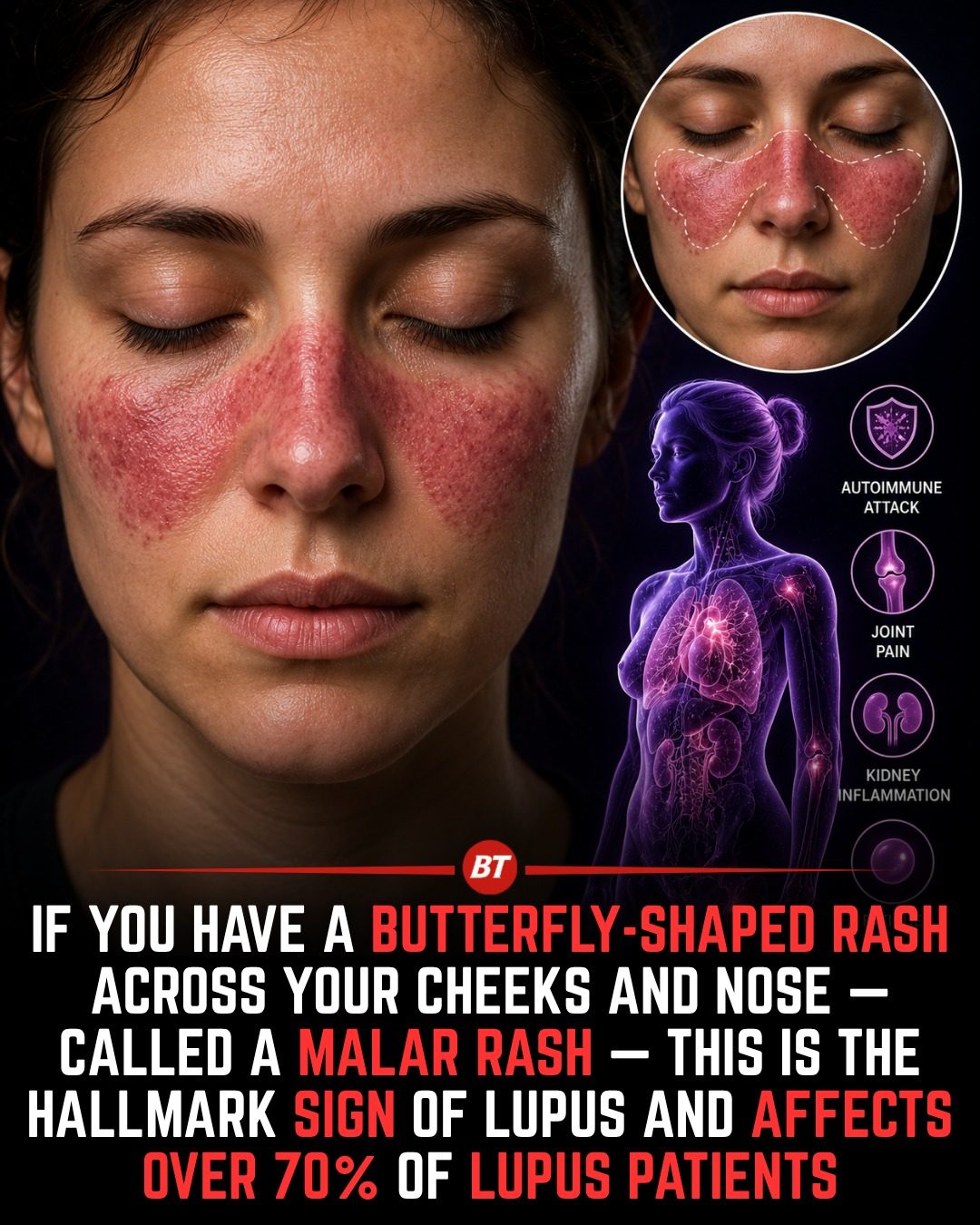
A red rash across the cheeks and the bridge of the nose, often mistaken for a simple skin issue, can sometimes be a crucial sign of something more serious. This distinctive rash, known as a malar rash or "butterfly rash," is one of the most recognizable symptoms of systemic lupus erythematosus (SLE), a type of lupus.
Context / Why This Matters
Understanding the significance of a malar rash is essential for early diagnosis and effective management of lupus. Lupus is an autoimmune disease where the immune system mistakenly attacks healthy tissues, leading to inflammation and damage in various organs such as the skin, joints, kidneys, heart, lungs, and other parts of the body. Early detection can significantly improve the quality of life and long-term outcomes for individuals with lupus.
Main Discussion
What Is a Malar Rash?
A malar rash, characterized by its butterfly shape, spreads across both cheeks and the bridge of the nose, often sparing the folds beside the nostrils. This rash typically results from concentrated immune activity and inflammation in sun-exposed areas of the face. Many people notice that the rash worsens after sun exposure, as ultraviolet light can trigger immune reactions in susceptible individuals. The rash can appear flat or raised and may persist for days or even weeks during disease flare-ups.
Lupus and Its Symptoms
Lupus is an autoimmune disease, meaning the body's immune system attacks its own tissues. This can cause various symptoms, including:
- Joint Pain: Lupus can cause joint pain and stiffness, which may affect mobility and daily activities.
- Kidney Inflammation: Lupus can also affect the kidneys, leading to inflammation and potential kidney damage if not managed properly.
Other Common Symptoms
In addition to a malar rash, joint pain, and kidney inflammation, lupus can present with a variety of other symptoms. These include:
- Fatigue: Persistent exhaustion, often accompanied by weakness.
- Unexplained Fevers: Frequent or recurring fevers without an apparent cause.
- Hair Loss: Patchy hair loss, often in the form of alopecia.
- Mouth Ulcers: Sores inside the mouth.
- Sun Sensitivity: Increased sensitivity to sunlight, which can trigger flare-ups and worsening of symptoms.
Diagnosing Lupus
Diagnosing lupus can be challenging due to its wide range of symptoms and the variability of its presentation. Doctors often consider the butterfly rash alongside other symptoms, such as joint pain, fatigue, and sensitivity to sunlight, when evaluating a patient. It is crucial to consult a healthcare professional for a proper diagnosis and treatment plan.
How Lupus Affects the Body
Lupus can affect multiple organs and systems in the body, including:
- Skin: In addition to the malar rash, lupus can cause various skin rashes and sores.
- Joints: Lupus can lead to joint pain, swelling, and stiffness, affecting mobility and daily activities.
- Kidneys: Lupus can cause kidney inflammation and potential damage, which can be life-threatening if not managed properly.
- Heart and Lungs: Lupus can affect the heart and lungs, leading to inflammation and potential damage.
Practical Tips
If you develop a persistent butterfly-shaped rash, especially if accompanied by fatigue, joint pain, or other unexplained symptoms, consider seeking medical evaluation. Early diagnosis and treatment of lupus can help reduce inflammation and protect organs from long-term damage. Here are some practical tips for managing lupus:
- Regular Check-ups: Regular medical check-ups and monitoring can help manage lupus and prevent complications.
- Sun Protection: Use sunscreen, wear protective clothing, and avoid prolonged sun exposure to prevent flare-ups.
- Medication Adherence: Take prescribed medications as directed by your healthcare provider to manage symptoms and prevent complications.
- Healthy Lifestyle: Maintain a healthy lifestyle, including a balanced diet, regular exercise, and adequate rest, to support overall health and well-being.
Important Takeaways
- Recognize the Signs: A butterfly-shaped rash across the cheeks and nose is a hallmark sign of lupus and affects over 70% of lupus patients.
- Seek Medical Evaluation: If you develop a persistent butterfly-shaped rash, especially if accompanied by other symptoms, seek medical evaluation for a proper diagnosis and treatment plan.
- Early Diagnosis Matters: Early diagnosis and treatment of lupus can help reduce inflammation and protect organs from long-term damage.
Conclusion
A malar rash, often referred to as a butterfly rash, is a crucial indicator of lupus. Recognizing this symptom and seeking medical evaluation can lead to early diagnosis and effective management of the disease. Lupus can affect various organs and systems in the body, and early intervention can significantly improve the quality of life for individuals with this condition. If you or someone you know develops a persistent butterfly-shaped rash, accompanied by other symptoms, it is essential to consult a healthcare professional for proper evaluation and treatment.
Watch the Reel
Questions readers ask
What does a butterfly rash look like?
A butterfly rash, also known as a malar rash, appears as a red, inflamed rash across the cheeks and the bridge of the nose, resembling the shape of a butterfly. It is a distinctive symptom that can help identify lupus, an autoimmune disease. The rash can vary in severity and may be flat or slightly raised.
Can a butterfly rash be a sign of other conditions?
While a butterfly rash is closely associated with lupus, it can also be a symptom of other conditions, such as rosacea or certain skin allergies. However, if the rash is persistent and accompanied by other symptoms like fatigue, joint pain, or fever, it is important to consult a healthcare provider for a thorough evaluation.
What are the symptoms of lupus besides a butterfly rash?
Lupus can manifest in various ways, including fatigue, joint pain, swelling, and stiffness. Other symptoms may involve the skin, kidneys, heart, lungs, and brain. Some people might experience hair loss, a characteristic rash on other parts of the body, or sensitivity to sunlight.
How is lupus diagnosed if a butterfly rash is present?
If a butterfly rash is present, a healthcare provider may perform a series of tests to confirm a lupus diagnosis. These tests might include blood tests to check for specific antibodies, urine tests to assess kidney function, and imaging tests to examine other affected organs. A biopsy of the skin rash might also be conducted for a more definitive diagnosis.
Why is early detection of lupus important?
Early detection of lupus is crucial for managing symptoms and preventing long-term damage to organs. Prompt diagnosis allows for timely intervention with medications and lifestyle changes, which can help reduce inflammation, alleviate symptoms, and improve overall well-being. Early detection can also minimize the risk of complications and enhance the quality of life.
Can a butterfly rash be treated?
While a butterfly rash itself may not be the primary focus of treatment, managing the underlying lupus can help alleviate the rash. Treatment options may include topical creams, oral medications, or photoprotection to protect the skin from further damage. Consulting with a healthcare provider is essential to determine the best course of treatment.
Are there any lifestyle changes that can help manage lupus symptoms?
Lifestyle changes can complement medical treatments and help manage lupus symptoms. These may include avoiding triggers like sunlight, getting regular exercise, eating a balanced diet, and maintaining a healthy sleep schedule. Stress management techniques and regular check-ups can also play a significant role in managing the condition effectively.
Recent articles
Fresh deep dives from the latest Reels we unpacked.



Comments
Be the first to comment.