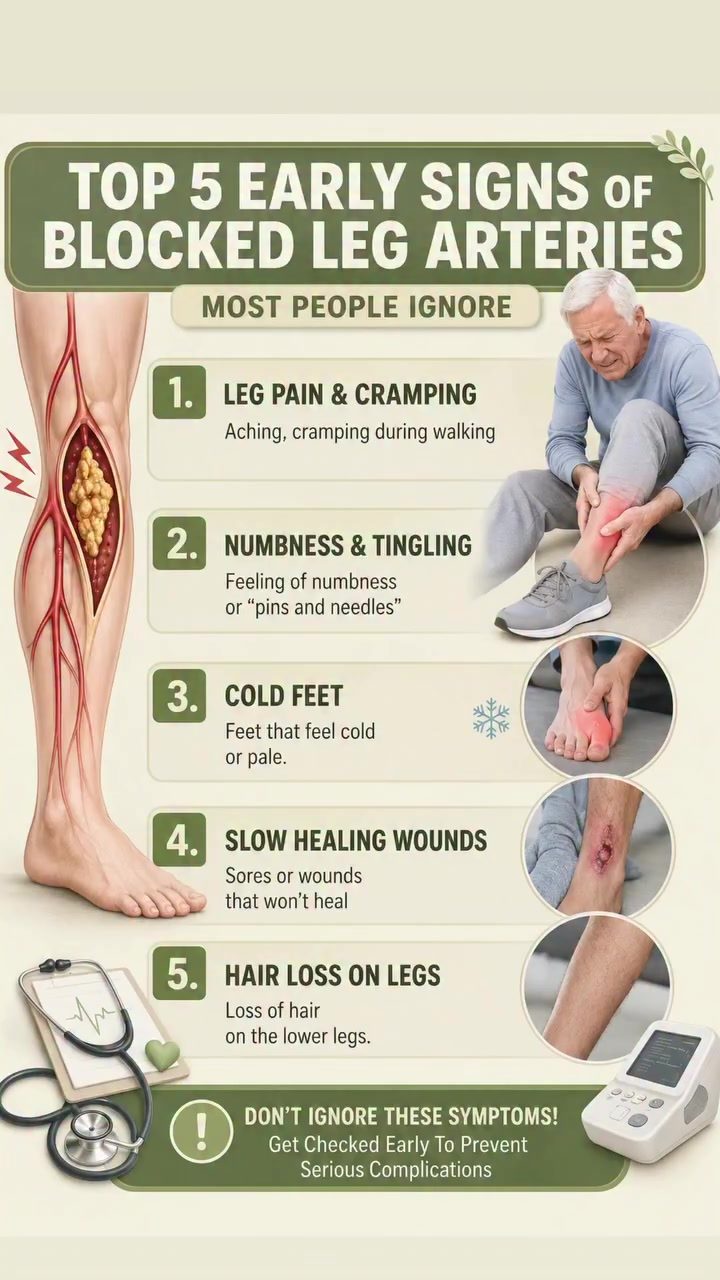
Blocked Leg Arteries: Recognizing the Early Signs
Blocked leg arteries, a condition often associated with peripheral artery disease (PAD), can lead to serious complications if left untreated. Recognizing the early signs is crucial for timely intervention and prevention of severe health issues. Understanding these symptoms can help you take proactive steps toward better vascular health.
Why This Matters
Peripheral artery disease affects millions of people worldwide and is often underdiagnosed. The condition occurs when the arteries that supply blood to the limbs, most commonly the legs, become narrowed or blocked due to plaque buildup. Early detection and treatment can significantly improve quality of life and prevent more severe complications, including amputation and even death.
Understanding the Early Signs
Leg Pain and Cramping
One of the most common early signs of blocked leg arteries is leg pain and cramping, especially during physical activity like walking. This discomfort, often described as aching, is typically relieved by rest. If you experience this symptom, it may indicate that your arteries are not supplying enough blood to your leg muscles.
Numbness and Tingling
A feeling of numbness or "pins and needles" in the legs is another symptom to watch out for. This sensation can occur intermittently and may be more pronounced during certain activities or at rest. Numbness and tingling can be an early indicator of reduced blood flow to the nerves in your legs, a sign that your arteries may be compromised.
Cold Feet
Feet that feel cold or appear pale can also signal blocked leg arteries. Poor circulation can lead to a lack of warmth in the extremities, making your feet feel cold to the touch. If you notice persistent coldness in your feet, it may be worth discussing with a healthcare provider.
Slow Healing Wounds
Slow-healing wounds or sores on the legs are another critical sign. If you have a wound that takes an unusually long time to heal, it could be due to inadequate blood supply to the affected area. Proper circulation is essential for the body’s natural healing processes, and delays in wound healing can indicate a more significant issue with your vascular health.
Hair Loss on the Lower Legs
Hair loss on the lower legs is a less commonly recognized symptom but can be a significant indicator of poor circulation. If you notice thinning or loss of hair on your lower legs, it could be a sign that your arteries are not functioning optimally.
Context and Potential Complications
Peripheral Artery Disease
Peripheral artery disease (PAD) is a common cause of blocked leg arteries. It occurs when the arteries become narrowed or blocked, most often due to atherosclerosis, the buildup of plaque in the arteries. PAD can lead to severe complications, including leg pain, ulcers, and even amputation in extreme cases. The condition is often asymptomatic in its early stages, making it crucial to recognize even the mildest symptoms.
Circulatory Problems
Circulatory problems can affect various parts of the body, but the legs are particularly vulnerable. Poor circulation in the legs can lead to a range of issues, from mild discomfort to severe pain and tissue damage. Recognizing the early signs of blocked leg arteries can help you address these problems before they become more serious.
Vascular Health
Maintaining good vascular health is essential for overall well-being. The vascular system includes arteries, veins, and capillaries, which transport blood throughout the body. Blocked arteries can disrupt this system, leading to various complications, including heart disease, stroke, and kidney problems.
Practical Tips for Maintaining Vascular Health
Regular Exercise
Regular physical activity is one of the most effective ways to improve vascular health. Exercise helps to strengthen the heart and improve circulation. Aim for at least 30 minutes of moderate-intensity exercise most days of the week. Activities like walking, cycling, and swimming are particularly beneficial.
Healthy Diet
A balanced diet rich in fruits, vegetables, whole grains, and lean proteins can help maintain vascular health. Foods high in fiber, antioxidants, and healthy fats are particularly beneficial. Limit your intake of processed foods, sugary drinks, and saturated fats to reduce the risk of plaque buildup in the arteries.
Quit Smoking
Smoking is a significant risk factor for vascular disease. It damages the lining of the arteries, making them more susceptible to plaque buildup. Quitting smoking can significantly improve your vascular health and reduce the risk of blocked arteries and other complications.
Managing Chronic Conditions
Conditions like diabetes, high blood pressure, and high cholesterol can increase the risk of peripheral artery disease. Effective management of these conditions through medication, lifestyle changes, and regular check-ups is essential for maintaining vascular health.
Regular Check-ups
Regular medical check-ups can help detect vascular issues early. If you experience any of the symptoms mentioned, it is important to consult a healthcare provider. Early diagnosis and treatment can prevent complications and improve your overall health.
Important Takeaways
Recognizing the early signs of blocked leg arteries is crucial for maintaining good vascular health. Symptoms like leg pain, numbness, cold feet, slow-healing wounds, and hair loss on the lower legs should not be ignored. Early diagnosis and intervention can prevent serious complications, including heart disease, stroke, and even amputation.
Conclusion
Paying attention to the early signs of blocked leg arteries can save you from serious health complications. By understanding the symptoms and taking proactive steps to maintain vascular health, you can significantly improve your overall well-being. If you experience any of the symptoms mentioned, consult a healthcare provider for timely intervention and treatment.
Watch the Reel
Questions readers ask
What are the early signs of blocked leg arteries?
Early signs of blocked leg arteries include leg pain, particularly when walking, numbness, and cold feet. It is important to recognize these symptoms, as they can indicate serious vascular issues. Other symptoms such as leg wounds that do not heal properly, hair loss on the legs, and changes in skin color, particularly a bluish hue, can also be signs of poor circulation and blocked arteries.
Why is it important to address blocked leg arteries promptly?
Promptly addressing blocked leg arteries is crucial to prevent severe complications. If left untreated, blocked leg arteries can lead to chronic pain, mobility issues, and even amputation. Early intervention can also help prevent more serious health problems, which can lead to death. Regular check-ups and proactive steps can help maintain vascular health and quality of life.
What is the connection between leg pain and blocked leg arteries?
Leg pain, especially when walking, is one of the most common early signs of blocked leg arteries. This pain, known as claudication, occurs due to reduced blood flow to the muscles in the legs. The pain typically goes away with rest and returns with activity. If you experience this type of pain, it is important to consult a healthcare professional for further evaluation.
How can I improve my leg circulation to prevent artery blockages?
Improving leg circulation can help prevent artery blockages and reduce the risk of vascular issues. Regular exercise, such as walking, can promote better blood flow and help strengthen the heart. Maintaining a healthy diet, managing weight, and quitting smoking are also crucial steps. Talk to a doctor before starting any new exercise or diet program.
Can blocked leg arteries cause wounds that do not heal properly?
Yes, blocked leg arteries can cause wounds on the legs to not heal properly. Poor blood flow can impair the body's ability to deliver essential nutrients and oxygen to the affected area, slowing down the healing process. If you have a wound that is not healing, it is important to see a healthcare professional for evaluation and treatment.
What are the complications of blocked leg arteries?
Blocked leg arteries can lead to a range of complications, including chronic pain, mobility issues, and even amputation in severe cases. If left untreated, the condition can also increase the risk of heart attacks and strokes. Timely intervention through lifestyle changes, medication, or surgical procedures can mitigate these risks and improve overall health.
Recent articles
Fresh deep dives from the latest Reels we unpacked.




Comments
Be the first to comment.