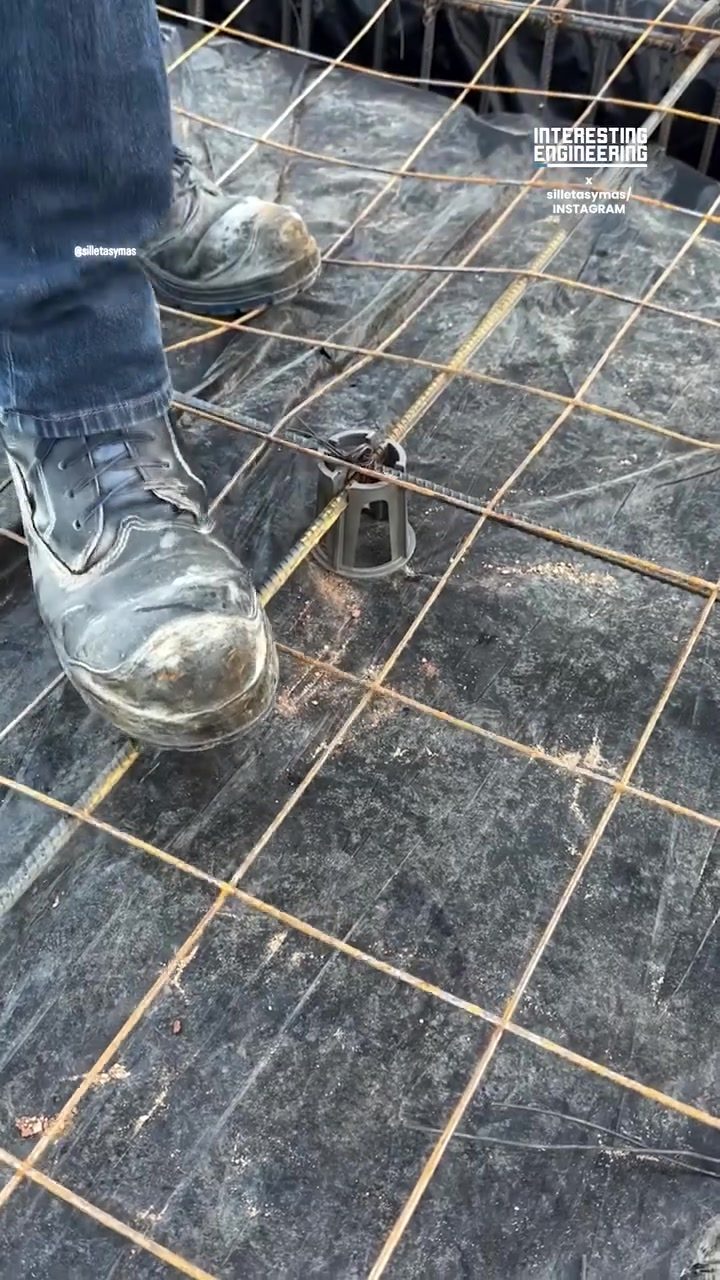
Concrete Rebar Connectors: Small Details, Critical Role
Rebar connectors are small but crucial components in concrete construction. They play a vital role in reinforcing concrete structures, ensuring durability and strength. These connectors are used to join rebar (reinforcement bars) at specific points, creating a continuous reinforcement system within the concrete.
Understanding the Importance
Concrete is a strong material, but it is brittle and weak in tension. To counteract this, rebar is embedded within the concrete to absorb tensile forces. However, concrete pouring alone is not enough. The precise placement and securing of rebar connectors are essential for the structural integrity of the concrete.
Main Components and Their Roles
Rebar
Rebar, or reinforcing bar, is a steel bar used to reinforce concrete. It provides tensile strength to the concrete, which is otherwise weak in tension. Rebar comes in various sizes and shapes, depending on the specific needs of the construction project. The most common types are round, square, and hexagonal.
Rebar Connectors
Rebar connectors are small devices used to join rebar at specific points. They come in various designs, such as lap splices, mechanical couplers, and welded wire fabric. These connectors ensure that the rebar is properly aligned and secured, creating a continuous reinforcement system within the concrete.
Practical Tips for Using Rebar Connectors
Proper Placement
Proper placement of rebar and connectors is crucial. The rebar should be placed at the correct height and position to ensure that the concrete pour is even and that the rebar is fully encapsulated. Workers often use plastic supports to keep the rebar at the correct height and prevent it from shifting during the pouring process.
Securing the Connector
Securing the rebar connector is equally important. The connector should be placed over the rebar and tightly secured to ensure a strong bond. This can be done using bolts, screws, or other fastening methods, depending on the type of connector and the specific requirements of the project.
Ensuring Alignment
Ensuring that the rebar is properly aligned is essential for the structural integrity of the concrete. Misaligned rebar can lead to weak points in the concrete structure, which can compromise its strength and durability. Workers should use alignment tools, such as levels and measuring tapes, to ensure that the rebar is properly aligned.
Reinforcing Concrete Structures
Rebar connectors are often used in the reinforcement of concrete structures, such as bridges, buildings, and roads. These structures require a high level of strength and durability, and rebar connectors are essential for achieving this. The connectors ensure that the rebar is properly aligned and secured, creating a continuous reinforcement system within the concrete.
Bridges and Buildings
In bridges and buildings, rebar connectors are used to reinforce the concrete slabs and beams. The connectors ensure that the rebar is properly aligned and secured, creating a continuous reinforcement system within the concrete. This ensures that the structure is strong and durable, able to withstand the weight and forces it will encounter.
Roads and Paving
In roads and paving, rebar connectors are used to reinforce the concrete slabs. The connectors ensure that the rebar is properly aligned and secured, creating a continuous reinforcement system within the concrete. This ensures that the road is strong and durable, able to withstand the weight and forces of vehicles and other loads.
Important Takeaways
Rebar connectors play a critical role in the structural integrity of concrete structures. Their proper placement, securing, and alignment are essential for the strength and durability of the concrete. By ensuring that the rebar is properly reinforced, workers can create strong and durable structures that will last for many years.
Understanding the role of rebar, rebar connectors, and their proper placement and securing is crucial for anyone involved in concrete construction. By following the practical tips and best practices outlined in this article, you can ensure that your concrete structures are strong, durable, and able to withstand the forces they will encounter.
Conclusion
Rebar connectors are a small but critical component in concrete construction. Their proper placement, securing, and alignment are essential for the structural integrity of the concrete. By understanding the role of rebar, rebar connectors, and their practical applications, you can ensure that your concrete structures are strong, durable, and able to withstand the forces they will encounter. Whether you are a construction professional or a DIY enthusiast, understanding the importance of rebar connectors and their proper use is essential for creating strong and durable concrete structures.
Watch the Reel
Questions readers ask
What are the key benefits of using rebar connectors in concrete structures?
Rebar connectors enhance the tensile strength of concrete structures by creating a continuous reinforcement system. They ensure that the structure can withstand tensile forces, improving overall durability and stability.
How do rebar connectors contribute to the structural integrity of concrete?
Rebar connectors join rebar at specific points, which helps to distribute and absorb tensile forces evenly across the structure. This distribution is crucial for maintaining the structural integrity of the concrete, preventing cracks, and ensuring long-term stability.
What are the different types of rebar connectors available for concrete reinforcement?
There are several types of rebar connectors, including mechanical couplers, welded connectors, and swaged connectors. Each type serves a unique purpose and is chosen based on the specific requirements of the concrete structure and the type of rebar used.
What factors should be considered when placing rebar connectors in a concrete structure?
Proper placement of rebar connectors involves considering the load requirements, the size and type of rebar, and the specific connector type. Ensuring connectors are securely fastened and correctly aligned is essential for effective reinforcement and maintaining the structural integrity of the concrete.
Why is proper securing of rebar connectors necessary in concrete construction?
Properly securing rebar connectors ensures that the reinforcement system remains intact and functional. Loose or improperly secured connectors can lead to failure points in the structure, compromising its strength and durability over time.
How do rebar connectors help in enhancing the durability of concrete structures?
Rebar connectors create a robust reinforcement system within the concrete, which helps to absorb and distribute tensile forces. This system improves the concrete's ability to withstand stress and strain, thereby enhancing its long-term durability and performance.
What happens if rebar connectors are not used in concrete construction?
Without rebar connectors, the rebar segments would not be properly joined, leading to discontinuities in the reinforcement system. This can result in weak points in the concrete structure, making it more susceptible to cracking and failure under tensile forces.
Related deep dives
Similar reads based on topic and creator.

Recent articles
Fresh deep dives from the latest Reels we unpacked.




Comments
Be the first to comment.