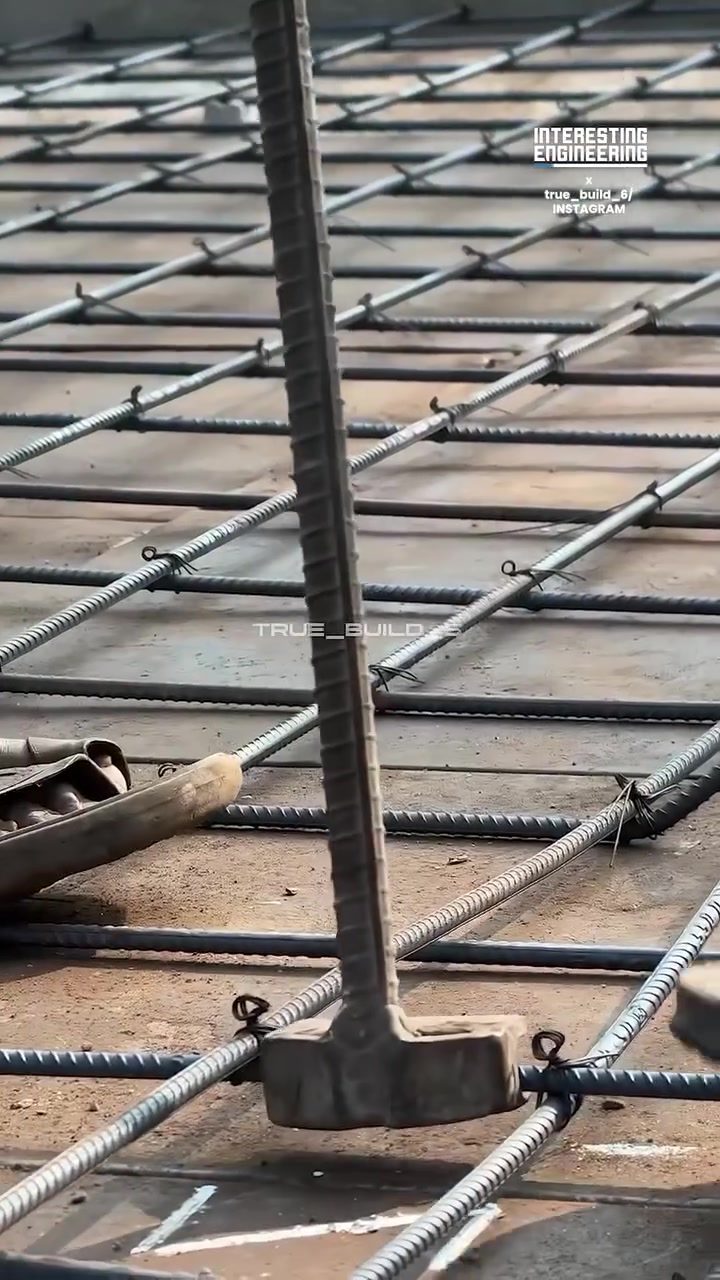
Concrete Reinforcement: The Role of Rebar in Modern Construction
Concrete is a fundamental building material known for its compressive strength, but it has limitations when it comes to tensile strength. This is where rebar comes into play. Rebar, or reinforcing bar, is a crucial component in modern construction, providing the necessary tensile strength to concrete structures.
Why Reinforcement Matters
Concrete, while strong under compression, is relatively weak under tension. To overcome this limitation, construction professionals embed steel bars, or rebar, into the concrete. This reinforcement enhances the concrete’s durability and prevents cracking, making it suitable for various applications, from foundations to bridges.
The process of reinforcing concrete with rebar involves creating a grid-like structure by tying the bars together with wire. This grid is then embedded within the concrete slab, forming a composite material that can withstand both compressive and tensile forces.
The Role of Rebar in Construction
Strength and Stability
Rebar significantly improves the strength and stability of concrete structures. By embedding the rebar in a grid-like pattern, the concrete can bear much higher loads and is less likely to crack or fail under stress. This makes rebar essential for structures that need to withstand significant weight or movement, such as buildings, bridges, and tunnels.
Flexural and Shear Strength
Rebar not only enhances the compressive and tensile strength of concrete but also improves its flexural and shear strength. Flexural strength is the ability of a material to resist deformation under load, while shear strength is the material's resistance to forces that cause it to slide or split. Both are critical for structures that need to endure bending and twisting forces, such as beams and columns.
Practical Tips for Working with Rebar
Choosing the Right Rebar
Choosing the right type and size of rebar is essential for effective reinforcement. Rebar comes in various sizes, typically designated by a number that corresponds to its diameter in inches or millimeters. The choice depends on the specific requirements of the project, including the expected load and environmental conditions. The most common types of rebar include:
- Epoxy-coated rebar: This type is coated with a protective layer to prevent corrosion, making it ideal for structures exposed to moisture or harsh environments.
- Stainless steel rebar: This is highly resistant to corrosion and is often used in marine or chemical environments.
- Galvanized rebar: This type is coated with zinc to protect against corrosion.
Proper Placement and Tying
Correct placement and tying of rebar are crucial for ensuring the structural integrity of the concrete. The rebar grid should be placed at appropriate intervals and tied securely with wire. This ensures that the rebar is evenly distributed and provides uniform reinforcement.
Using a Compact Tool for Rebar
One tool can simplify the process on the job site. A compact tool exists to anchor and bend steel bars into fixed angles directly on the job site. This tool can help save time and effort by eliminating the need for multiple tools and reducing the manual labor required.
Important Takeaways on Rebar Reinforcement
Enhanced Structural Integrity
Using rebar in concrete structures significantly enhances their structural integrity. The combination of concrete's compressive strength and rebar's tensile strength creates a durable and reliable composite material. It can withstand a wide range of loads and environmental conditions.
Versatility in Applications
Rebar is versatile and can be used in various construction projects, from small residential buildings to large-scale infrastructure projects. Its ability to reinforce concrete makes it an essential component in modern construction, regardless of the scale or type of project.
Long-Term Durability
Properly placed and maintained rebar can significantly extend the lifespan of concrete structures. By preventing cracking and enhancing the overall strength of the concrete, rebar ensures that structures remain stable and durable over time. However, it’s essential to consider the specific environmental conditions and choose the appropriate type of rebar to maximize its long-term durability.
Cost-Effectiveness
While the initial cost of rebar may seem high, its long-term benefits make it a cost-effective solution for construction projects. By reinforcing concrete, rebar reduces the risk of structural failures and costly repairs, ultimately saving time and money in the long run.
Conclusion
Rebar is indispensable in modern construction, providing the necessary tensile strength to concrete structures. By embedding a grid of rebar within concrete slabs, construction professionals can create durable, stable, and long-lasting structures. Choosing the right type of rebar, ensuring proper placement, and using specialized tools can further enhance the effectiveness of this reinforcement method. Whether for residential or large-scale infrastructure projects, rebar plays a critical role in ensuring the safety and longevity of concrete structures.
Watch the Reel
Questions readers ask
What is rebar and why is it used in construction?
Rebar, short for reinforcing bar, is a steel bar used to reinforce concrete. It is used in construction to enhance concrete's tensile strength, which is crucial for withstanding forces that pull or stretch the material. This makes concrete structures, like buildings and bridges, much more durable and long-lasting.
How does rebar prevent cracking in concrete?
Rebar prevents cracking in concrete by distributing tensile forces throughout the structure. When concrete is subjected to tension, it tends to crack. Embedding rebar within the concrete allows the steel to absorb these tensile forces, reducing the likelihood of cracks forming and ensuring the structure remains stable.
What tools are commonly used for rebar installation?
The installation of rebar involves several specialized tools. These tools include rebar benders for shaping the rebar to the required dimensions, rebar cutters for cutting the bars to the correct length, and rebar anchors to secure the bars in place. Additionally, tools for tying rebar together and measuring the placement are essential for precise installation.
Why is rebar crucial for bridges and tunnels?
Rebar is crucial for bridges and tunnels because these structures are often subjected to significant tensile and compressive forces. Embedding rebar into the concrete reinforcement provides the necessary strength to withstand these forces, ensuring the longevity and safety of the structures. For bridges, rebar helps distribute weight and tension, while in tunnels, it reinforces the concrete to withstand pressure and movement.
What is the process of placing rebar in concrete structures?
Placing rebar in concrete structures involves several steps. Firstly, the rebar is cut and bent to the required shapes and sizes. Then, it is positioned within the formwork or molds according to the structural design specifications. The rebar is anchored and tied together to ensure it stays in place during the pouring of the concrete. Finally, the concrete is poured around the rebar, creating a composite material that can withstand both compressive and tensile forces.
What are the benefits of rebar in concrete reinforcement?
Rebar in concrete reinforcement provides several benefits, including enhanced tensile strength, improved durability, and increased resistance to cracking. By embedding rebar, the concrete becomes a composite material that can withstand greater stress and strain, making it suitable for a wide range of construction projects, from residential buildings to large-scale infrastructure like bridges and tunnels.
How does rebar enhance the durability of concrete?
Rebar enhances the durability of concrete by providing additional tensile strength, which helps to distribute and withstand the forces that can cause cracking and deterioration. This reinforcement allows the concrete to better resist environmental factors, such as temperature changes and external loads, leading to a longer lifespan for the structure. Properly placed and secured rebar ensures that the concrete can maintain its integrity over time.
Related deep dives
Similar reads based on topic and creator.

Recent articles
Fresh deep dives from the latest Reels we unpacked.




Comments
Be the first to comment.