Reading Ingredient Labels
Shopping for shampoo used to be a simple task. You'd grab a bottle off the shelf, check the scent, and maybe glance at the price. But for many, that routine has changed. With a growing awareness of what goes into beauty products, ingredient labels have become a new level of scrutiny. The process can be daunting, with terms like synthetic fragrances, petrochemicals, and endocrine disruptors popping up, and ingredients that are just plain unpronounceable.
Why This Matters
Understanding what you put on your body is crucial. The skin is the body's largest organ, and it absorbs a significant amount of what you apply to it. Many conventional beauty products contain ingredients that can be harmful, especially with prolonged use.
As awareness grows, so does the demand for transparency in product labeling. Consumers are becoming more discerning, seeking out products that align with their values and health considerations. This shift has led to a rise in clean beauty products—those free from potentially harmful ingredients.
Navigating the Beauty Aisle
The Transition to Informed Shopping
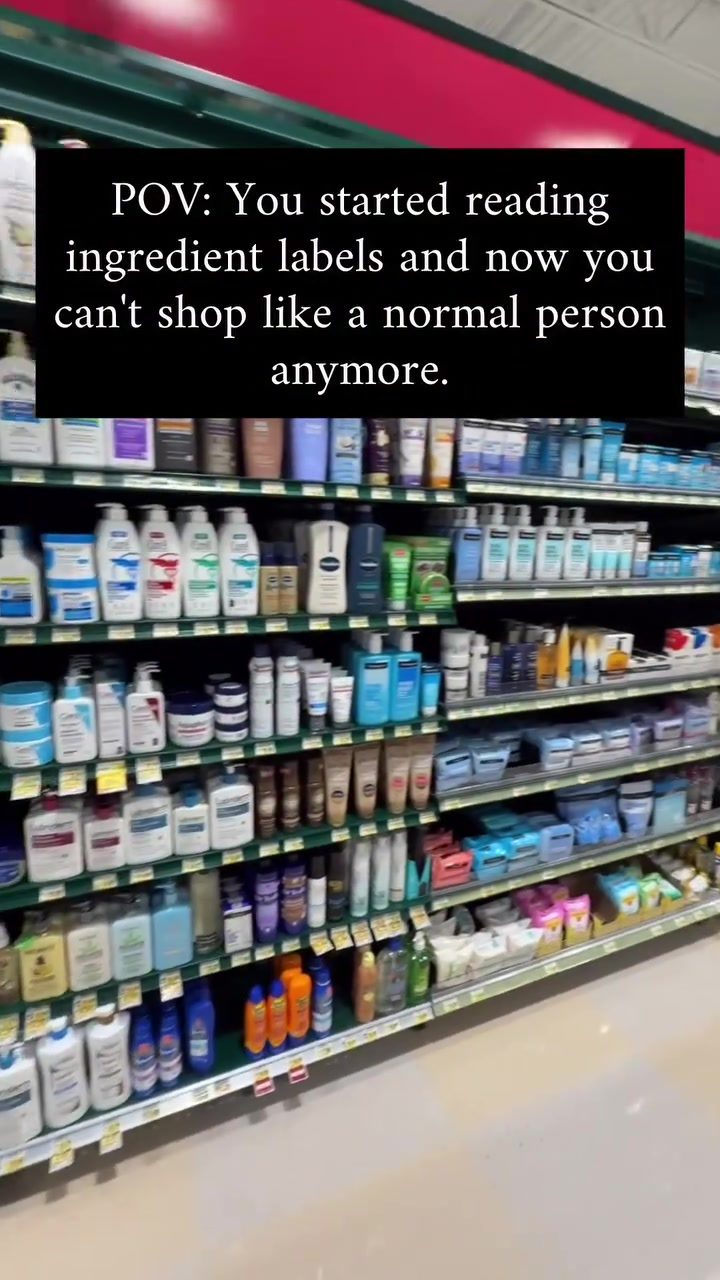
The journey to informed shopping often starts innocently. You might look up one ingredient, perhaps something you've heard is potentially harmful. Before you know it, you're standing in the beauty aisle, scrutinizing every label like a detective solving a case. Ingredients that you've never heard of or can't pronounce become red flags.
The initial reaction can be overwhelming. It's easy to feel like you can't shop like a normal person anymore. The more you learn, the more you realize how many conventional products contain ingredients that you might want to avoid.
Identifying Problematic Ingredients
Some of the most common ingredients to watch out for include:
- Synthetic fragrances: Often listed as "fragrance" or "parfum," these can contain a cocktail of chemicals, some of which are known allergens or irritants.
- Petrochemicals: Derived from petroleum, these can include ingredients like mineral oil and petrolatum. There are concerns about potential contamination with impurities like polycyclic aromatic hydrocarbons (PAHs).
- Endocrine disruptors: These are chemicals that can interfere with your body's hormone system. Common examples include parabens, phthalates, and BPA. Research suggests that exposure to these chemicals can have various health effects, especially with long-term use.
Practical Tips for Reading Labels
Start with the Basics
When you first start reading labels, focus on the basics. Look for products that are free from the most common problematic ingredients. Ingredients like synthetic fragrances and parabens are often listed as part of extensive lists. Even if they are listed, they are not always harmful.
Use Reliable Resources
Several apps and websites can help you decode ingredient lists. The Environmental Working Group's (EWG) Skin Deep database is a reliable resource that rates the safety of thousands of beauty and personal care products. Another good resource is the Think Dirty app, which allows you to scan product barcodes to get information about their ingredients.
Look for Certifications
Certifications can also be a helpful guide. Look for products that are certified by organizations like the Environmental Working Group (EWG), the Natural Products Association (NPA), or the Leaping Bunny program, which ensures that products are cruelty-free.
Important Takeaways
The Power of Awareness
Awareness changes everything. Once you start reading ingredient labels, you can't go back to being blissfully unaware. But that awareness comes with a sense of empowerment. You have the power to make informed choices about what you put on your skin, scalp, and body.
The Shift to Clean Beauty
The beauty industry has responded to the growing demand for transparent labeling and safer products. Clean beauty brands are becoming more common, offering products that are free from potentially harmful ingredients. Brands like Native offer products that focus on natural ingredients and avoid common problem areas.
Conclusion
Reading ingredient labels is more than just a trend—it's a shift in how we approach our personal care routines. It's about making informed choices that prioritize health and well-being. Whether you're just starting your journey or already deep into the world of clean beauty, every step you take is a move towards a healthier, more conscious lifestyle.
By staying informed and using the tools available, you can navigate the beauty aisle confidently, knowing exactly what you're putting on your body. The journey might start with a single ingredient, but the impact can be profound. It's all part of a broader shift towards a more mindful approach to beauty and self-care.
Watch the Reel
Related deep dives
Similar reads based on topic and creator.


Recent articles
Fresh deep dives from the latest Reels we unpacked.




Comments
Be the first to comment.