Navigating Healthy Food Marketing: A Guide to Smarter Food Choices
Most people don't realize how much "healthy" food marketing misleads us. Two products can both claim to be "high protein," "organic," "natural," or "low fat," but their ingredient lists can tell vastly different stories. Learning to read food labels honestly can transform the way we eat.
Why This Matters
Understanding what goes into our food is crucial for making informed decisions about our diet. Many products use clever marketing to appear healthier than they are. By focusing on key aspects of the ingredient list, we can make smarter choices that support our overall health and wellness.
Comparing Protein Powders
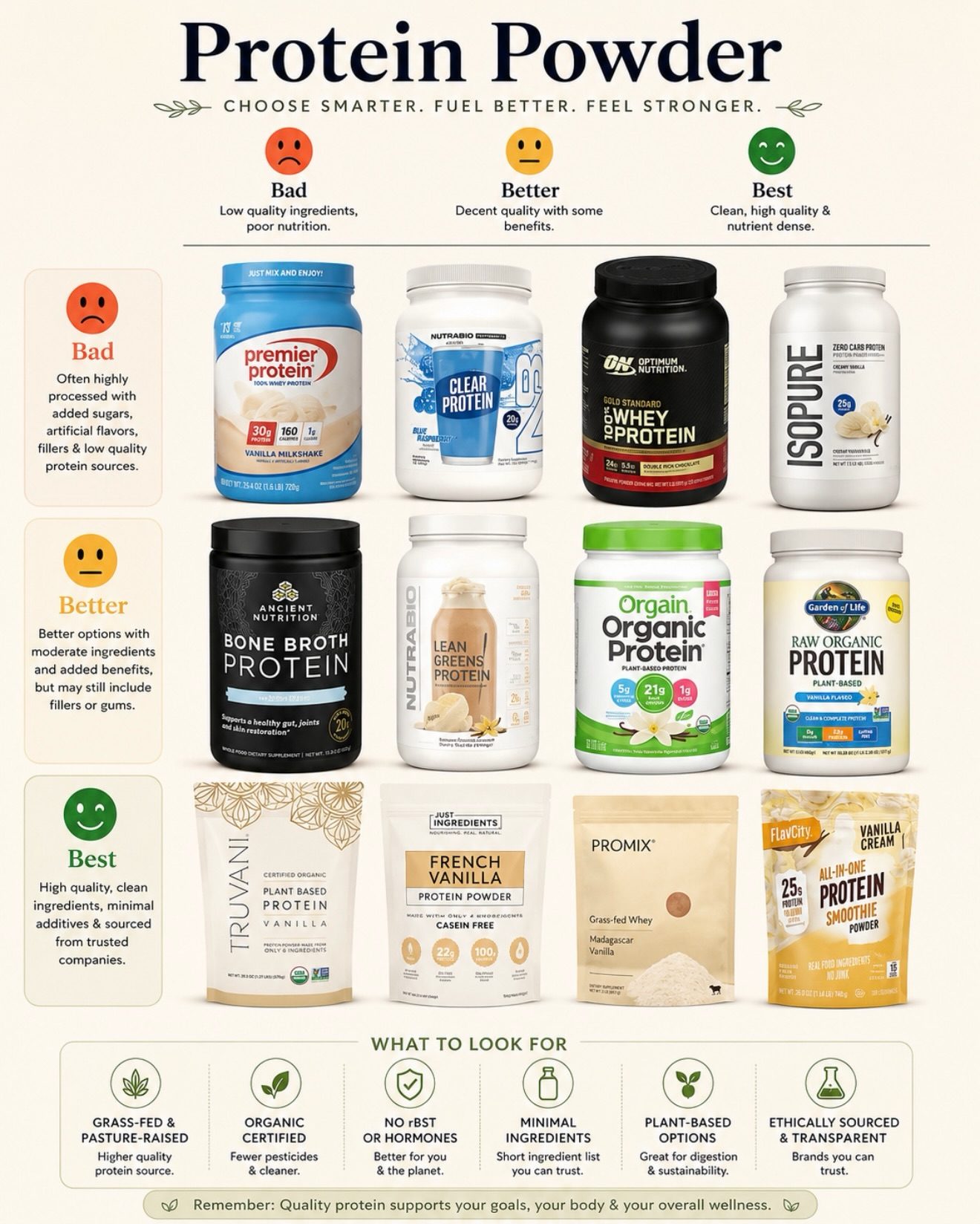
Protein powder is a popular supplement for those looking to boost their protein intake. However, not all protein powders are created equal. When comparing protein powders, look for the following:
- Ingredient Quality: Opt for powders with clean, high-quality ingredients. Avoid those with added sugars, artificial flavors, and fillers.
- Protein Sources: Choose powders that list protein sources like whey, casein, or plant-based proteins that keep you full and satisfied.
- Nutritional Value: Look for powders that are nutrient-dense and provide additional benefits like vitamins and minerals.
Some popular protein powder brands and their quality categories:
- Bad: Low-quality ingredients and poor nutritional value.
- Better: Decent quality with some benefits, but may still contain some unwanted additives.
- Best: Clean, high-quality, and nutrient-dense ingredients. Brands in this category may include Nutrabio, and Premier Protein.
Comparing Peanut Butters
Peanut butter is a staple in many diets, but not all peanut butters are healthy choices. When comparing peanut butter brands, focus on:
- Sugar Content: Avoid peanut butters high in sugar, oils, and additives.
- Ingredient Simplicity: Choose peanut butters with simple, clean ingredients and no unnecessary additives.
- Quality: Look for peanut butters that use high-quality oils and minimal processing.
Some popular peanut butter brands and their quality categories:
- Bad: High in sugar, oils, and additives.
- Better: Better ingredients with some added extras, but generally healthier than the "Bad" category.
- Best: Clean, simple ingredients with no unnecessary additives. Brands in this category may include NuttZo, Santa Cruz Organic.
Comparing Dipping Sauces
Dipping sauces can add flavor to meals, but they can also be packed with unhealthy ingredients. When comparing dipping sauces, pay attention to:
- Sugar and Sodium Content: Opt for sauces that are lower in sugar and sodium.
- Oil Content: Look for sauces with healthy oils and lower unhealthy fats content .
- Ingredient Quality: Choose sauces with clean ingredients and minimal additives.
Some popular dipping sauce brands and their quality categories:
- Bad: High in sugar, sodium, and unhealthy oils.
- Better: Better ingredients and moderate in sodium, but may still contain some additives.
- Best: Clean ingredients, lower sugar and sodium. Brands in this category may include Heinz and Kinders.
The Workit App: Tracking and Improving Your Health
The Workit App (available for smartphone) is a comprehensive tool designed to help users earn money by working out and eating healthy. The app offers a range of features, including:
- Water Intake Tracking: Set goals and track your water intake to stay hydrated.
- Workout Challenges: Participate in challenges to stay motivated and engaged.
- Nutrition Tracking: Monitor your nutrition intake to ensure you're getting the right nutrients.
The app promotes a holistic approach to fitness, emphasizing that fitness isn't just about workouts—it's about daily habits, nutrition choices, recovery, and consistency.
Practical Tips for Smarter Food Choices
Small upgrades in your everyday foods can add up over time. Here are some practical tips for making smarter food choices:
Read Labels Carefully
- Shorter Ingredient Lists: Look for products with shorter ingredient lists, as they are likely to be less processed.
- Lower Added Sugar: Choose products with lower added sugar to avoid excess calories.
- Better Quality Fats: Opt for products with healthier fats, like olive oil or avocado oil.
- Less Fillers, Gums, and Seed Oils: Avoid products with excessive fillers, gums, and seed oils, which can be detrimental to health.
- More Real Ingredients: Prioritize products with more real, recognizable ingredients.
- Protein Sources: Choose protein sources that keep you full and satisfied, such as lean meats, eggs, and legumes.
Key Categories to Upgrade
- Better Sauces: Opt for sauces with clean ingredients and lower sugar and sodium levels.
- Better Yogurt: Choose yogurt with live cultures and minimal added sugars.
- Better Protein Powder: Select protein powders with high-quality ingredients and minimal additives.
- Better Coffee Creamer: Look for creamers with natural ingredients and no artificial sweeteners.
- Better Peanut Butter: Choose peanut butters with simple, clean ingredients and no unnecessary additives.
- Better Quality Meat: Opt for meats that are grass-fed, pasture-raised, and free from antibiotics and hormones.
Important Takeaways
- Avoid Obsession: The goal is not to be obsessed with food but to be aware of what you're consuming.
- Sustainable Health: Making small, better choices every day leads to sustainable health.
- Holistic Fitness: Fitness is about more than just workouts; it's about daily habits, nutrition choices, recovery, and consistency.
- Ingredient Awareness: Once you start checking ingredients, you'll never shop the same way again.
Conclusion
Navigating healthy food marketing requires a keen eye for ingredient lists and a focus on quality over clever labeling. By making small, informed upgrades to your everyday foods and using tools like the Workit App, you can achieve sustainable health and well-being. The key is to be aware and make conscious choices that support your overall health goals.
Watch the Reel
Questions readers ask
How can I tell if a 'high protein' food is genuinely healthy?
To determine if a 'high protein' food is genuinely healthy, examine the ingredient list for quality protein sources like lean meats, beans, or nuts, and avoid items with excessive added sugars, artificial sweeteners, or unhealthy fats. Also, compare the protein content with other nutrient values to ensure it's not just high in protein, but low in other unwanted ingredients.
What should I look for in the ingredient list to spot deceptive marketing?
Pay attention to the order of ingredients, as they are listed by quantity. Be wary of products with high amounts of added sugars, artificial ingredients, or excessive sodium, even if they are advertised as healthy. Look for whole foods or natural ingredients at the top of the list, and be cautious of products with a long list of unrecognizable or chemical-sounding ingredients.
How can I find low-sugar foods while grocery shopping?
When searching for low-sugar foods, carefully review the ingredient list and the nutrition facts panel. Opt for items with no added sugars, and be cautious of products with various forms of sugar listed. Remember that ingredients are listed by quantity, so if sugar or sugar alternatives are among the first few items, the product might not be as low-sugar as it claims.
What are some reliable apps to help navigate food labels?
There are several reliable apps that can assist in navigating food labels. Apps like 'Fooducate' and 'Yuka' offer detailed analysis of ingredients, helping you make informed decisions. These tools can help you avoid products with ingredients that may be unnecessarily processed or potentially harmful.
How can I identify quality ingredients in protein powders?
To identify quality ingredients in protein powders, look for products with minimal additives and artificial ingredients, and focus on the type of protein used. Whey and casein are common and generally well-tolerated, while plant-based proteins like pea or soy protein can also be good options, especially for those with dietary restrictions. Always compare the protein content with the total calories and other nutrients.
What are some common marketing tricks used to mislead consumers?
Common marketing tricks include using vague terms like 'natural' or 'organic' without clear definitions. Also, watch out for products labeled 'low sugar' or 'low fat' that may still contain high amounts of unhealthy ingredients. Front-of-package claims like 'whole grain' or 'rich in vitamins' might not always align with the actual nutritional content. Always check the ingredient list for a more accurate assessment.
How do I choose healthier food options when grocery shopping?
To choose healthier food options, focus on whole, unprocessed foods with recognizable ingredients. Look for products with shorter ingredient lists, and prioritize items with minimal added sugars, sodium, and unhealthy fats. Be mindful of marketing claims and always review the ingredient list for a clear understanding of what you're consuming.
Recent articles
Fresh deep dives from the latest Reels we unpacked.




Comments
Be the first to comment.