Rare Human Traits: A Fascinating Look into Uncommon Physical Abilities and Genetic Characteristics
Human biology is incredibly diverse, with some traits being so uncommon that most people will never encounter them in everyday life. From unique genetic characteristics to unusual physical abilities, these rare traits highlight the vast spectrum of human variation. Understanding these traits can provide insights into genetics, evolution, and the complexities of the human body.
Why This Matters
The study of rare human traits is not just about curiosity; it has significant implications for medical research and genetic counseling. These traits can sometimes be associated with specific genetic conditions, which may provide clues to understanding more common diseases. Moreover, understanding the rarity and distribution of these traits can help in creating more accurate global health statistics and public health policies.
Human Traits: An Overview
Natural Red Hair
Natural red hair is one of the most distinctive and rare traits. It is caused by a mutation in the MC1R gene, which affects the production of melanin. Redheads are more susceptible to certain skin conditions, including skin cancer, due to their lighter skin and increased sensitivity to UV radiation. The prevalence of red hair varies widely by population; it is most common in people of Northern and Western European descent.
Heterochromia
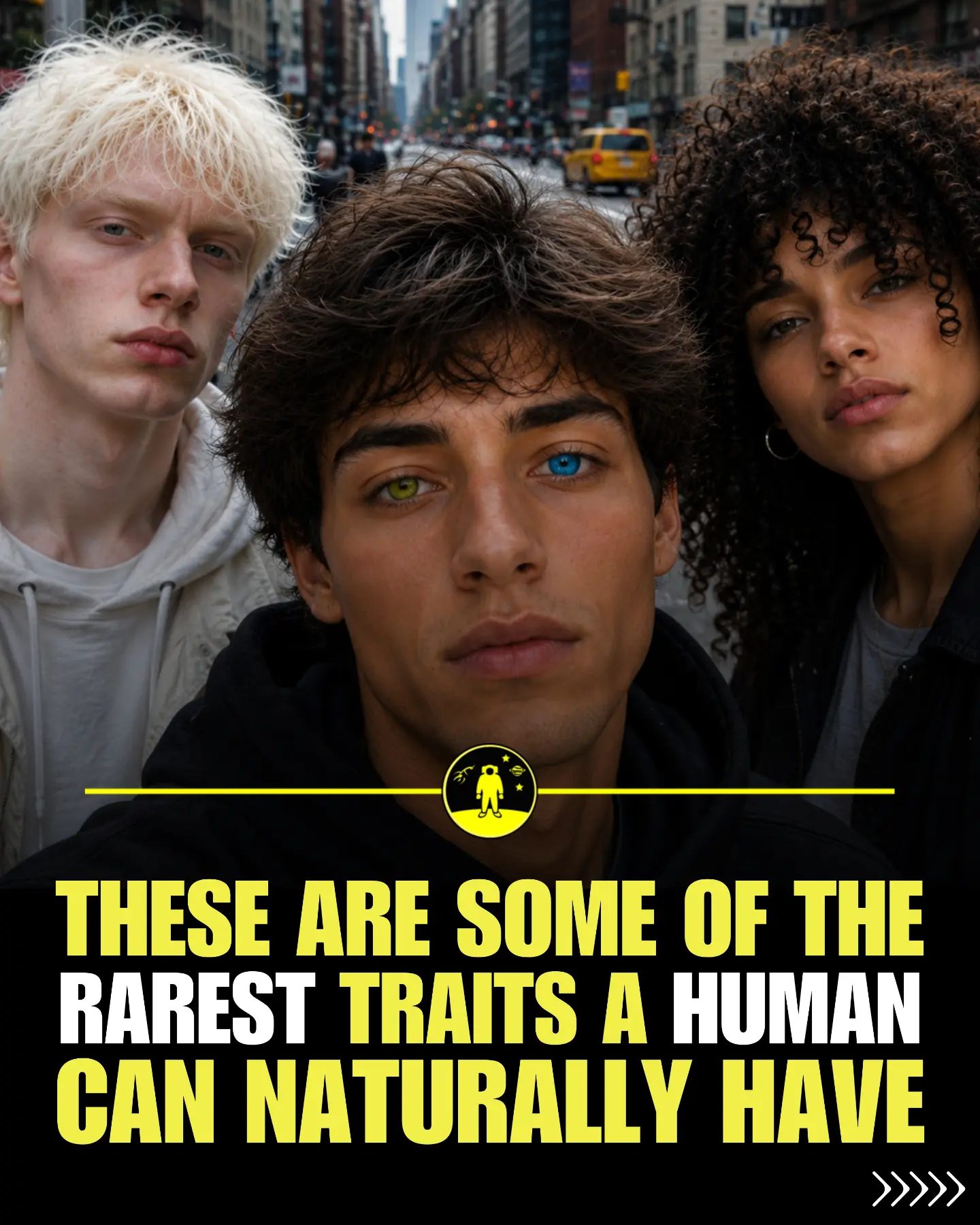
Heterochromia is a condition where a person's eyes are two different colors. It can occur in one of two forms: complete heterochromia, where each eye is a different color, and sectoral heterochromia, where parts of one eye are a different color. This trait can be inherited or acquired, and it is often associated with certain genetic syndromes like Waardenburg syndrome. While heterochromia is more common in pets, it is relatively rare in humans, with estimates suggesting it affects less than 1% of the population.
Albinism
Albinism is a genetic condition that affects pigmentation, resulting in very light skin, hair, and eyes. It is caused by a mutation in one of several genes involved in melanin production. Albinism can affect vision, making individuals more sensitive to sunlight and increasing the risk of skin cancer. There are different types of albinism, including oculocutaneous albinism (OCA) and ocular albinism (OA). OCA is further divided into subtypes based on the specific genetic mutation involved. The prevalence of albinism is approximately 1 in 17,000 people worldwide, although it is more common in certain populations, such as those of African descent.
Perfect Pitch
Perfect pitch, also known as absolute pitch, is the ability to identify or produce a musical note without a reference. This trait is influenced by both genetics and early musical training. It is much more common in individuals from certain Asian and Eastern European populations. While some people are born with perfect pitch, others can develop it through intensive musical training. The true prevalence of this trait is still debated, with estimates ranging from 1 in 1,000 to 1 in 10,000 people.
Congenital Insensitivity to Pain
Congenital insensitivity to pain is a rare and dangerous genetic disorder that affects the body's ability to feel pain. Pain serves as a critical warning system for the body, alerting individuals to injury or illness. Without this warning, individuals with this condition can suffer severe injuries without being aware of them. This condition is often associated with other neurological abnormalities and can be life-threatening. It is one of the rarest conditions on this list, with only a handful of cases documented worldwide.
Practical Tips
Understanding rare human traits can help individuals recognize and appreciate the diversity of human biology. If you encounter someone with a rare trait, it is important to approach the situation with empathy and respect. Remember that while these traits may be unusual, they are a natural part of human variation and should be celebrated, not stigmatized. For those with rare genetic conditions, genetic counseling and support groups can provide valuable resources and community.
Important Takeaways
Human traits, both common and rare, are a result of complex interactions between genes, environment, and development. Understanding these traits can provide insights into human biology and genetic diversity. Rare traits often highlight the importance of genetic research and the need for continued study in this field. Moreover, recognizing and appreciating these traits can foster a greater understanding and acceptance of human diversity.
Conclusion
The human body is a marvel of biological diversity, with traits ranging from the common to the extraordinarily rare. From natural red hair to congenital insensitivity to pain, these traits remind us of the incredible complexity and variation within our species. Whether you are fascinated by genetics, intrigued by human abilities, or simply curious about the diversity of our world, exploring these rare traits offers a glimpse into the fascinating world of human biology.
Watch the Reel
Questions readers ask
What are some examples of rare human traits related to physical appearance?
Some examples of rare human traits related to physical appearance include natural red hair, heterochromia (differently colored eyes), and albinism. These traits are not only visually striking but also provide insights into the genetic mechanisms that control pigmentation and eye development.
Can rare human traits provide insights into genetic conditions?
Yes, rare human traits can sometimes be linked to specific genetic conditions. For instance, albinism is a rare genetic trait characterized by little or no pigment in the skin, hair, and eyes, which is often associated with specific genetic mutations. Studying these traits can help researchers understand the underlying genetic causes of more common conditions.
What is perfect pitch and how is it related to genetics?
Perfect pitch is the ability to identify or produce a musical note without any reference. While environmental factors can play a role, there is strong evidence that genetics contribute to this extraordinary physical ability. Studies have shown that perfect pitch tends to run in families, indicating a genetic component.
How do rare human traits contribute to our understanding of evolution?
Rare human traits can offer unique perspectives on evolutionary processes. For example, the evolution of red hair in humans can be traced back to specific genetic mutations that occurred thousands of years ago. Studying these traits can help scientists understand how and why certain genetic variations persist or change over time.
Are there any health implications associated with rare genetic traits?
Some rare genetic traits can have health implications. For instance, individuals with albinism may be more susceptible to skin cancer due to their lack of pigment. Understanding these traits can aid in developing targeted health policies and interventions to improve the quality of life for those affected.
How can the study of rare human traits inform global health policies?
The study of rare human traits can inform global health policies by providing insights into genetic diversity and the prevalence of certain conditions. This knowledge can help in creating more personalized and effective healthcare strategies, as well as in allocating resources more efficiently to address the specific needs of diverse populations.
What are some of the rarest human genetic mutations?
Some of the rarest human genetic mutations include those that cause conditions like Hutchinson-Gilford Progeria Syndrome, which accelerates the aging process, and Piebaldism, which results in a distinctive pattern of depigmentation. These mutations are incredibly uncommon, providing unique opportunities to study the underlying genetic mechanisms and their broader implications for human health.
Related deep dives
Similar reads based on topic and creator.




Recent articles
Fresh deep dives from the latest Reels we unpacked.




Comments
Be the first to comment.