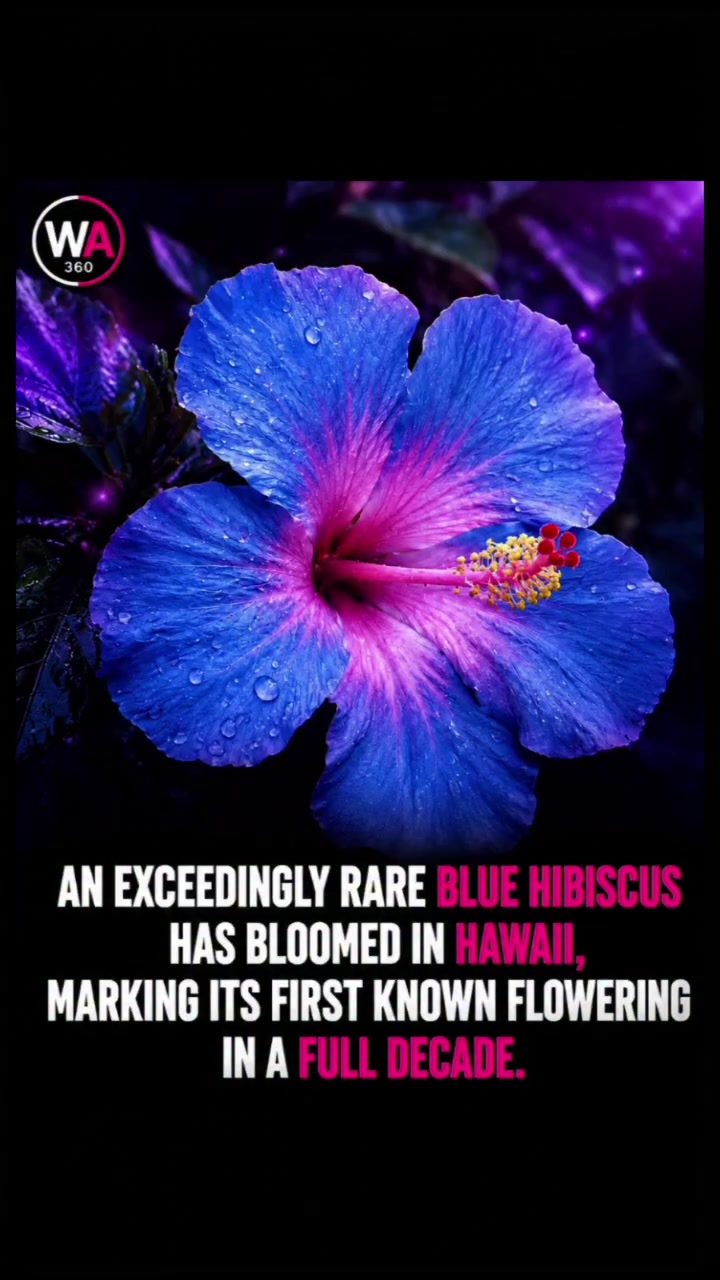
Rare Blue Hibiscus
A vibrant blue hibiscus has recently bloomed in Hawaii, marking a remarkable milestone in the world of rare botanicals. This particular species is exceedingly rare, with the last known blooming occurring a full decade ago. The striking shade and delicate petals of the blue hibiscus capture the essence of nature's quiet resilience and breathtaking artistry. This event serves as a reminder that the rarest beauty is often worth waiting for.
Why this matters
Rare botanicals play a significant role in our understanding of the natural world and its complexities. The blue hibiscus, known for its unique color, is not just a visual marvel but also a testament to the delicate ecological balance that allows such rare species to thrive. The blooming of this flower is a significant event that draws attention to the importance of preserving natural habitats and monitoring rare plant species.
The Significance of Rare Plants
Rare plants are often indicators of a healthy ecosystem. Their existence can signal the presence of specific environmental conditions that support a diverse range of flora and fauna. The rarity of the blue hibiscus highlights the importance of conservation efforts aimed at protecting such fragile ecosystems. Understanding and appreciating these rare botanicals can foster a greater sense of responsibility towards environmental preservation.
Main discussion
The Unique Beauty of the Blue Hibiscus
The blue hibiscus stands out due to its vibrant color, an exception in the world of hibiscus. The flower's delicate petals and intricate details make it a subject of fascination for botanists and nature enthusiasts alike. The first blooming in a decade highlights the rarity of this species and underscores the need for continued observation and protection.
The Significance of Hawaii's Ecosystem
Hawaii's diverse ecosystem supports a wide array of plant and animal species, many of which are found nowhere else in the world. This unique biodiversity makes Hawaii a critical region for botanical research and conservation. The blooming of the Blue Hibiscus in Hawaii is a testament to its rich biodiversity and the resilience of its ecosystems. The delicate balance of Hawaii's natural habitats enables the survival of rare species like the blue hibiscus.
Conservation Efforts for Rare Botanicals
Conservation of rare botanicals involves several strategies, including habitat preservation, propagation, and monitoring. Habitat preservation focuses on maintaining the natural environments that support these plants. Propagation involves growing rare plants in controlled settings to ensure their survival. Monitoring helps to track the health and population of these plants, providing valuable data for ongoing conservation efforts.
Practical tips
How to Observe and Appreciate Rare Botanicals
Observing and appreciating rare botanicals can be a rewarding experience. Here are some tips to help you get started:
- Join Botanical Societies: These groups often organize events and expeditions to observe and study rare plants. Joining a society can provide opportunities to learn from experts and participate in conservation efforts.
- Visit Botanical Gardens: Botanical gardens often house collections of rare plants, providing an opportunity to see these wonders up close. Many gardens also offer guided tours and educational programs.
- Take a Course: Enroll in a course on plant identification and conservation. This can deepen your understanding of rare botanicals and their ecological significance.
- Support Conservation Projects: Contribute to organizations dedicated to preserving natural habitats and rare plant species. Your support can help ensure the survival of these remarkable species.
Tips for Photographing Rare Flowers
Capturing the beauty of rare flowers like the blue hibiscus can be a challenging but rewarding endeavor. Here are some tips to help you get the perfect shot:
- Use a Macro Lens: A macro lens allows you to capture the intricate details of the flower, highlighting its delicate petals and vibrant colors.
- Natural Lighting: Use natural lighting to enhance the colors and details of the flower. Soft, diffused light can bring out the best in your subject.
- Stable Tripod: Utilize a stable tripod to ensure sharp focus and minimize camera shake, especially in low-light conditions.
- Composition: Experiment with different compositions, such as close-ups, wide-angle shots, and angles that show the flower in its natural habitat.
Important takeaways
- The blue hibiscus is a rare and beautiful plant species that has recently bloomed in Hawaii after a decade.
- The blooming of this flower highlights the importance of preserving natural habitats and monitoring rare plant species.
- Rare botanicals serve as indicators of a healthy ecosystem and play a crucial role in maintaining biodiversity.
- Conservation efforts for rare plants involve habitat preservation, propagation, and monitoring.
Conclusion
The blooming of the blue hibiscus in Hawaii is a remarkable event that underscores the beauty and resilience of nature. This rare botanical serves as a reminder of the importance of preserving natural habitats and monitoring rare plant species. By appreciating and protecting these unique wonders, we contribute to the preservation of our planet's rich biodiversity. The blue hibiscus, with its striking shade and delicate petals, stands as a testament to nature's quiet artistry and the need for ongoing conservation efforts.
Watch the Reel
Questions readers ask
What makes the blue hibiscus in Hawaii so special?
The blue hibiscus in Hawaii is exceptional due to its rare blooming cycle. The last known blooming occurred a full decade ago, making its recent appearance a remarkable event. Its vibrant blue color and delicate petals also contribute to its unique appeal.
Why is the blooming of the blue hibiscus significant for the environment?
The blooming of the blue hibiscus signifies the resilience of nature and the delicate ecological balance that supports rare plant species. It underscores the importance of preserving ecosystems and monitoring rare botanicals to understand and protect the natural world.
How does the blue hibiscus contribute to our understanding of nature?
The blue hibiscus, with its unique color and rare blooming, offers insights into the complexities of plant life and the conditions required for such species to thrive. Its presence serves as a case study in the intricate balance of ecosystems and the beauty that can emerge from them.
What efforts can be made to protect rare plants like the blue hibiscus in Hawaii?
To protect rare plants like the blue hibiscus, conservation efforts should focus on preserving their natural habitats and maintaining ecological balance. This includes monitoring plant health, controlling invasive species, and promoting awareness about the significance of these rare botanicals.
What are the main threats to the blue hibiscus and other rare plants in Hawaii?
The main threats to the blue hibiscus and other rare plants in Hawaii include habitat destruction, invasive species, and climate change. These factors can disrupt the delicate ecosystems that support these plants, making preservation efforts crucial for their survival.
How can visitors and locals contribute to the preservation of the blue hibiscus in Hawaii?
Visitors and locals can contribute to the preservation of the blue hibiscus by supporting local conservation efforts, volunteering for habitat restoration projects, and practicing responsible tourism. Avoiding activities that disturb natural habitats and adhering to guidelines for visiting protected areas are also important steps.
Related deep dives
Similar reads based on topic and creator.

Recent articles
Fresh deep dives from the latest Reels we unpacked.




Comments
Be the first to comment.