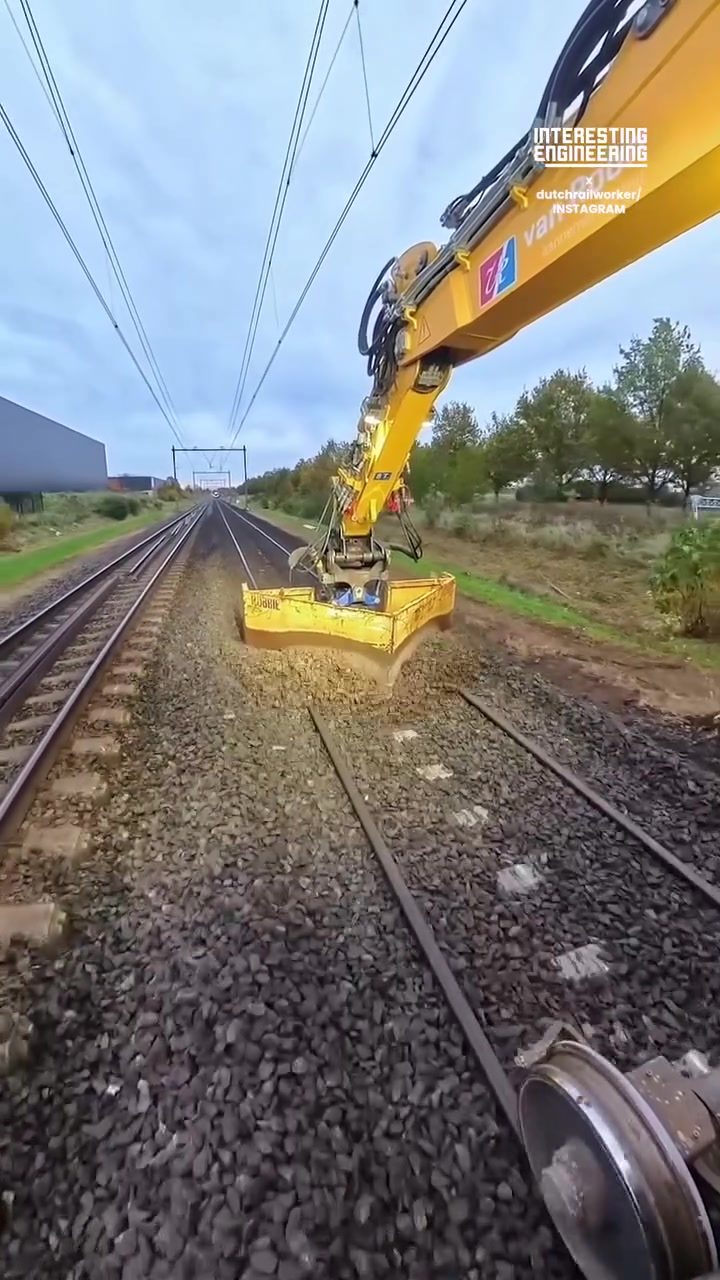
Railway Ballast Maintenance
Railway ballast is a crucial component of the track structure. It keeps the tracks stable, ensures proper drainage, and maintains the overall integrity of the railway. Maintenance of this ballast is essential for the safe and reliable operation of trains. Here, we explore the process of railway ballast maintenance, focusing on the use of specialized vehicles and the importance of proper ballast management.
Why This Matters
The stability and longevity of railway tracks depend heavily on the condition of the ballast. Neglecting ballast maintenance can lead to track misalignment, poor drainage, and even derailments. By understanding the maintenance process, we can appreciate the engineering marvels that ensure our trains run safely and efficiently.
The Role of Rail Maintenance Vehicles
Specialized Equipment
Rail maintenance vehicles are specifically designed to work on railway tracks. These vehicles come equipped with various attachments to perform different maintenance tasks. One such attachment is the ballast profiling tool, which is attached to an excavator arm. The excavator, with its ballast profiling attachment, reshapes and spreads the ballast, ensuring that it remains level and effective.
Stabilizing the Track
The primary function of the ballast is to stabilize the track. By reshaping and spreading the ballast, the vehicle ensures that the track remains level and structurally sound. This process maintains proper drainage, supports the sleepers (the wooden or concrete beams that support the rails), and preserves the accurate track geometry. A well-maintained ballast bed keeps the track aligned, reducing the risk of derailments and ensuring smooth train operations.
The Process of Ballast Maintenance
Inspection and Preparation
Before any maintenance work begins, the track is thoroughly inspected. This inspection identifies areas where the ballast has settled, shifted, or become uneven. Specialized sensors and visual inspections are used to pinpoint these problem areas.
Reshaping and Spreading
Once the areas needing maintenance are identified, the rail maintenance vehicle moves into action. The excavator arm, fitted with the ballast profiling attachment, reshapes the ballast. This involves removing excess material and redistributing it to create a level surface. The profiling tool ensures that the ballast is evenly spread, providing a stable base for the sleepers and rails.
Ensuring Proper Drainage
One of the key aspects of ballast maintenance is maintaining proper drainage. Water can cause significant damage to the track if not managed correctly. The reshaping and spreading process ensures that water can drain away from the track, preventing waterlogging and subsequent damage. Proper drainage also reduces the likelihood of ballast movement, further stabilizing the track.
Supporting Sleepers
Sleepers, or ties, are crucial for the structural integrity of the track. They distribute the weight of the train evenly across the track bed. Properly maintained ballast supports the sleepers, ensuring they remain level and aligned. This support is essential for the stability and safety of the track.
Preserving Track Geometry
Accurate track geometry is vital for the safe operation of trains. Misaligned tracks can cause derailments and other safety issues. By keeping the ballast evenly leveled and structurally effective, the maintenance process helps preserve the track geometry. This ensures that the rails remain aligned and that trains can travel safely and efficiently.
Practical Tips for Effective Ballast Maintenance
Regular Inspections
Regular inspections are the first step in effective ballast maintenance. By identifying and addressing issues early, you can prevent more significant problems from developing. Use a combination of visual inspections and specialized sensors to monitor the track.
Timely Maintenance
Timely maintenance is crucial for keeping the ballast in good condition. Regular reshaping and spreading of the ballast will ensure that the track remains stable and safe. Schedule maintenance activities based on the inspection findings and the track's usage patterns.
Proper Equipment
Using the right equipment is essential for effective ballast maintenance. Invest in high-quality rail maintenance vehicles with the appropriate attachments. Ensure that the equipment is well-maintained and regularly serviced to keep it in optimal working condition.
Training and Expertise
Effective ballast maintenance requires specialized knowledge and training. Ensure that your maintenance team is well-trained and has the necessary expertise to perform the tasks. Regular training sessions and updates on the latest techniques and equipment can help enhance the team's skills.
Important Takeaways
Maintaining railway ballast is a critical aspect of ensuring the safety and reliability of railway operations. By using specialized vehicles and following a systematic maintenance process, you can keep the ballast in optimal condition. Regular inspections, timely maintenance, and the use of proper equipment are essential for effective ballast management. Understanding the importance of ballast maintenance can help ensure that our railways continue to operate safely and efficiently.
Conclusion
The maintenance of railway ballast is a meticulous process that involves specialized vehicles and precise techniques. It ensures the stability and longevity of railway tracks, making it a vital component of railway infrastructure. By prioritizing ballast maintenance, we can enhance the safety and efficiency of our railways, ensuring reliable train operations for years to come.
Watch the Reel
Questions readers ask
What are the key benefits of maintaining railway ballast?
Maintaining railway ballast ensures track stability, prevents misalignments, and promotes proper drainage. This helps to preserve the overall integrity of the railway, reducing the risk of derailments and enhancing train operation safety. Regular maintenance also extends the lifespan of the tracks, saving on long-term costs.
How does railway ballast contribute to track stabilization?
Railway ballast acts as a supportive base for the tracks, distributing the weight of the train and absorbing vibrations. It helps to keep the tracks level and in proper alignment, preventing issues like track buckling or shifting. This stabilization is vital for maintaining safe and smooth train operations.
What specialized vehicles are used in railway ballast maintenance?
Specialized rail vehicles, such as ballast tamper and ballast regulators, are essential for maintaining railway ballast. These vehicles use mechanical processes to compact, reshape, and redistribute the ballast, ensuring proper track alignment and drainage. Excavators equipped with specific attachments also play a crucial role in ballast profiling and reshaping.
How does proper ballast management improve train track drainage?
Effective ballast management helps to create and maintain a well-draining track bed. By ensuring the ballast is evenly spread and free of debris, water can effectively drain away from the tracks. This prevents waterlogging, which can weaken the ballast and lead to track instability and misalignment. Proper drainage is crucial for maintaining the integrity of the railway and preventing train operation disruptions.
What is the process of ballast reshaping and profiling?
Ballast reshaping and profiling involve adjusting the surface of the ballast layer to ensure it provides adequate support for the tracks. This process uses specialized rail vehicles and excavator attachments to remove excess ballast, fill in gaps, and create a uniform surface. Regular reshaping helps to maintain proper track alignment, enhance stability, and prevent drainage issues.
Why is it important to prevent misalignments in railway tracks?
Misalignments in railway tracks can lead to derailments, increased wear and tear on trains, and overall reduced track longevity. Regular ballast maintenance helps prevent these misalignments by keeping the tracks properly leveled and stabilized. This ensures that trains can operate safely and efficiently, reducing the risk of accidents and minimizing disruptions to the railway.
Related deep dives
Similar reads based on topic and creator.


Recent articles
Fresh deep dives from the latest Reels we unpacked.




Comments
Be the first to comment.