Radishes: Powerful Supporters of Detox and Digestive Health
Radishes are often overlooked in the realm of vegetables, yet they hold significant potential for supporting the body's natural detox and digestive systems. These vibrant, crunchy vegetables are more than just a colorful addition to salads; they are packed with essential nutrients and bioactive compounds that offer numerous health benefits.
Why Radishes Matter
Radishes are rich in glucosinolates and isothiocyanates – sulfur-containing plant compounds that are released when the vegetable is sliced or chewed. These compounds play a crucial role in supporting the body's natural detoxification processes. They are widely studied for their ability to activate pathways involved in antioxidant defense and healthy inflammatory responses. This makes radishes a valuable addition to a balanced diet, especially for those looking to enhance their body's natural detoxification mechanisms and overall health.
Key Nutritional Benefits
Detoxification and Antioxidant Support
One of the standout features of radishes is their high content of glucosinolates and isothiocyanates. These compounds are known to support the body's natural detoxification enzymes and protect cells from oxidative stress. They help in the activation of protective pathways that bolster antioxidant defense and maintain a healthy inflammatory response. Studies have shown that these compounds can support liver function, cellular health, and the body's ability to process and eliminate unwanted compounds.
Digestive Health
Radishes are an excellent source of fiber, which is essential for digestive health. The fiber in radishes helps nourish beneficial gut bacteria, promoting a healthy gut microbiome. The crisp texture and mild pungency of radishes can also stimulate saliva and digestive secretions, aiding in efficient digestion. Additionally, radishes provide vitamin C, potassium, and water, making them a hydrating and nutrient-dense food.
Thyroid Health and Mucus Breakdown
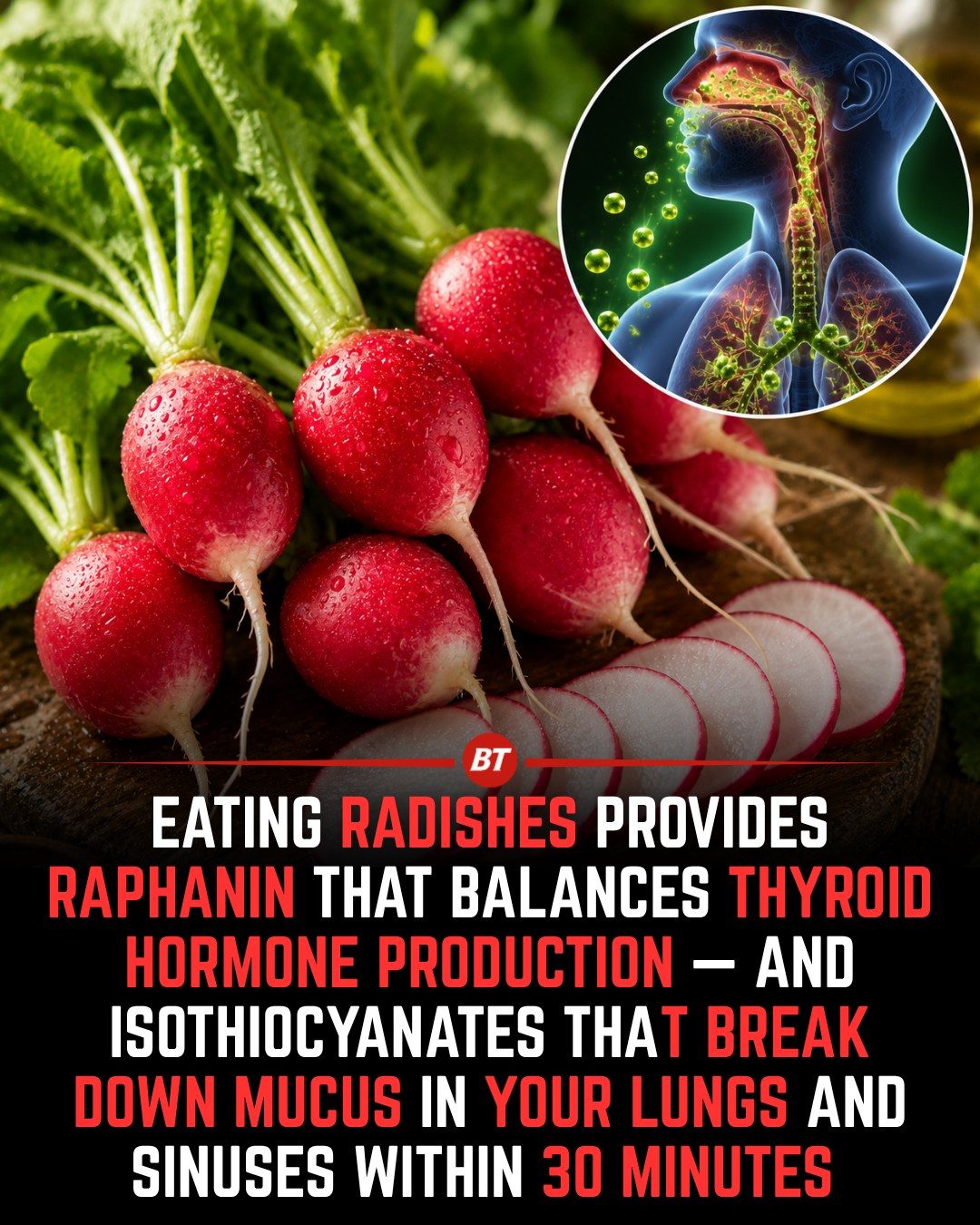
Radishes contain raphanin, which is believed to help balance thyroid hormone production. While strong clinical evidence is lacking, traditional health practices suggest that radishes can help loosen mucus. This is backed by the presence of isothiocyanates, which can break down mucus in the lungs and sinuses within 30 minutes. This property makes radishes particularly beneficial for respiratory health.
Practical Tips for Incorporating Radishes into Your Diet
Raw and Crunchy
Enjoy radishes raw in salads or sliced into sandwiches. Their crisp texture and mild pungency add a refreshing crunch and a burst of flavor to your dishes. They pair well with a variety of ingredients, from fresh greens to tangy dressings.
Roasted and Savory
Roast radishes with olive oil for a savory side dish. The roasting process brings out their natural sweetness and adds a depth of flavor. This method is particularly delicious when paired with herbs and spices.
Fermented and Flavorful
Ferment radishes for an extra boost of flavor and gut-friendly benefits. Fermentation enhances the nutritional profile of radishes, making them even more beneficial for digestion. Try pickling radishes for a tangy and crunchy snack.
Important Takeaways
- Detox and Digestive Support: Radishes are rich in glucosinolates and isothiocyanates, which support the body's natural detoxification processes and digestive health.
- Nutritional Value: Radishes are a good source of vitamin C, fiber, potassium, and water, making them a hydrating and nutrient-dense food.
- Thyroid and Respiratory Health: Radishes contain raphanin and isothiocyanates, which can help balance thyroid hormone production and break down mucus in the lungs and sinuses.
Conclusion
Radishes are a versatile and nutrient-dense vegetable that offers a range of health benefits. From supporting detoxification and digestion to promoting thyroid and respiratory health, radishes are a valuable addition to any diet. Whether you enjoy them raw, roasted, or fermented, incorporating radishes into your meals can enhance your overall health and well-being.
Watch the Reel
Questions readers ask
How do radishes support detoxification in the body?
Radishes contain sulfur-containing compounds like glucosinolates and isothiocyanates, which are activated when the radish is sliced or chewed. These compounds help to stimulate the body's natural detoxification pathways, making radishes a excellent choice for supporting the body's internal cleansing processes.
Can radishes help with digestive health?
Yes, radishes are high in fiber, which promotes a healthy gut microbiome. The fiber in radishes aids in digestion and helps maintain regular bowel movements. Additionally, the natural compounds in radishes can help to soothe digestive issues and reduce inflammation in the gut.
What are the benefits of radishes for thyroid health?
Radishes contain compounds that support thyroid hormone production and regulate thyroid function. They can be particularly beneficial for those looking to support their thyroid health; specifically, radishes can help to reduce iodine deficiency, which may also help to alleviate thyroid symptoms.
How do I maximize the health benefits of radishes?
To maximize the benefits of radishes, consume them raw and freshly sliced or chopped. This preparation activates the isothiocyanates and other beneficial compounds in the radish. You can add radishes to salads, use them as a crunchy snack, or incorporate them into smoothies.
Can radishes help with mucus relief?
Radishes are known for their ability to help loosen and thin mucus, making them a great natural remedy for respiratory issues. The pungent and spicy nature of radishes stimulates the production of saliva and mucus, which can help to clear out the airways and relieve congestion.
What are the natural compounds in radishes that offer health benefits?
Radishes are rich in sulfur-containing compounds like glucosinolates and isothiocyanates, which are activated during slicing or chewing. These natural compounds support the elimination of toxins, promote better digestion, and have antioxidant properties that can boost overall health.
How do radishes support healthy inflammatory response?
The sulfur-containing compounds in radishes, such as isothiocyanates, have anti-inflammatory properties. These compounds help to regulate the body's inflammatory responses, which can be beneficial for reducing chronic inflammation and supporting overall health.
Related deep dives
Similar reads based on topic and creator.




Recent articles
Fresh deep dives from the latest Reels we unpacked.




Comments
Be the first to comment.