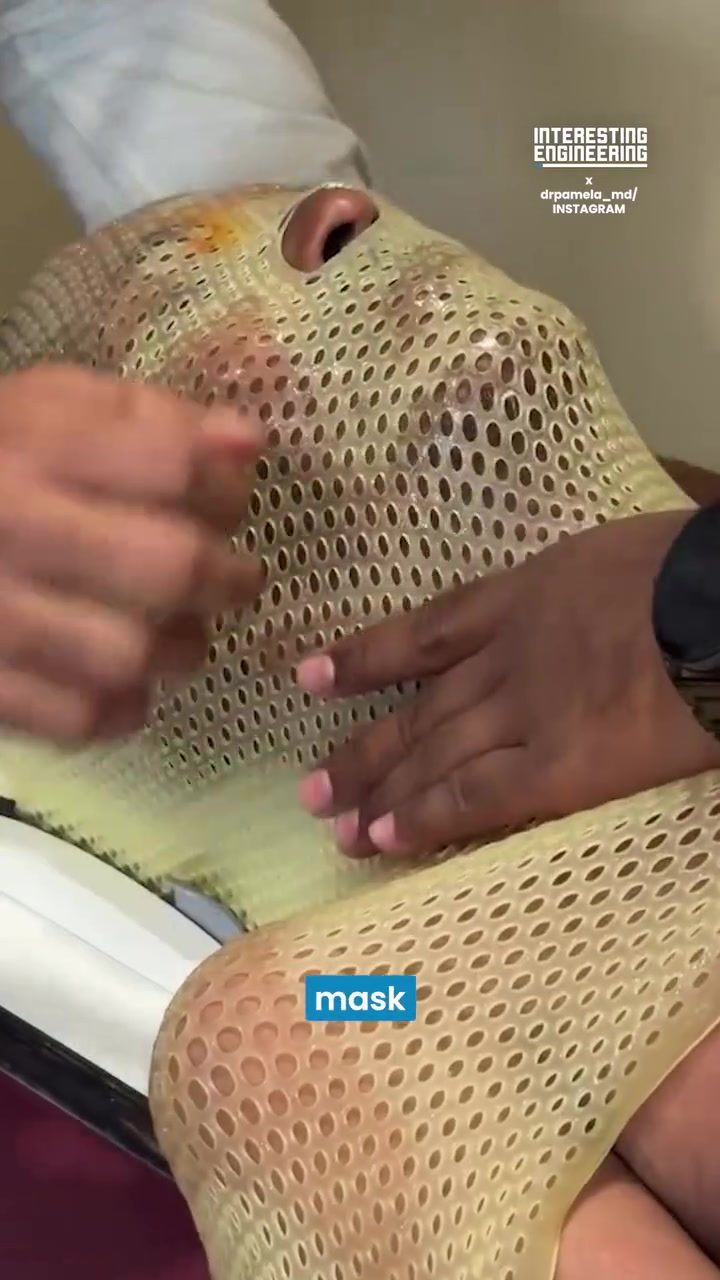
Radiation Mask Fitting Process
Radiation masks are crucial components in cancer treatment, particularly in radiation therapy. These masks are designed to keep the patient's head and neck perfectly still during each session, ensuring that radiation is delivered with pinpoint accuracy. The fitting process of a radiation mask involves several precise steps, each essential for the effectiveness of the treatment. But before diving into the specifics, it's important to understand why this matters in treating cancer patients.
Why This Matters
Cancer treatment, especially radiation therapy, requires extreme precision. Even the slightest movement can disrupt the delivery of radiation, potentially missing the target and damaging healthy tissue. A radiation mask helps to stabilize the patient, minimizing movement and ensuring that the radiation beams hit the tumor with millimeter-level accuracy. This precision is not just about targeting the cancer; it's also about protecting the surrounding healthy tissues from unnecessary radiation exposure.
Main Discussion
The Material: Thermoplastic
Radiation masks are typically made from thermoplastic, a material that can be heated and molded to fit the unique contours of a patient's face. This material is chosen for its malleability when heated and its rigidity when cooled, making it ideal for creating a custom fit. The thermoplastic material is heated to a specific temperature, making it pliable enough to be shaped to the patient's anatomy.
The Molding Process
The fitting process begins with heating the thermoplastic material. Once heated, the material is molded to the patient's face, wrapping around the head and neck. This process requires expertise to ensure that the mask fits perfectly, capturing every nuance of the patient's anatomy. The mask is then allowed to cool, hardening into a precise fit. This custom molding ensures that the mask will stay in place during treatment sessions, maintaining the necessary stability.
The Importance of Precision
The precision of the radiation mask fitting process cannot be overstated. Once the mask is fitted, it is used for every subsequent radiation therapy session. This consistency is crucial because it allows healthcare providers to deliver radiation with millimeter-level accuracy, ensuring that the tumor is targeted effectively while minimizing the exposure of healthy tissues to radiation. By keeping the patient's head and neck still, the mask helps to protect nearby healthy tissues from unnecessary radiation exposure.
Consisntent Positioning
Consistent patient positioning is another key aspect of the fitting process. The mask ensures that the patient's head and neck remain in the same position during every treatment session, which is critical for delivering radiation accurately. This consistency helps to treat the tumor effectively while minimizing the radiation dose to surrounding healthy tissues. Such precision is vital for the success of the treatment and the patient's overall well-being.
Specialized Tools and Equipment
The process requires various specialized tools and equipment. These tools help in heating the thermoplastic material to the right temperature and ensuring that it is molded correctly to the patient's face. The equipment also aids in maintaining the mask's shape and integrity during the cooling process, ensuring a perfect fit.
Practical Tips
While the fitting of a radiation mask is typically done by medical professionals, there are some practical tips that patients can keep in mind:
- Be Patient: The fitting process can take some time, as it involves heating and cooling the thermoplastic material. Patience is key to ensuring a perfect fit.
- Communicate with Your Healthcare Provider: If you feel any discomfort during the fitting process, inform your healthcare provider. They can make adjustments to ensure your comfort and the effectiveness of the mask.
- Wear the Mask Comfortably: Once the mask is fitted, it's important to wear it comfortably during each treatment session. If you experience any discomfort, speak to your healthcare provider.
- Follow Post-Fitting Instructions: After the fitting, your healthcare provider may give you specific instructions on how to care for the mask. Follow these instructions carefully to maintain the mask's integrity and effectiveness.
Important Takeaways
Radiation masks are essential for ensuring precision in cancer treatment, particularly in radiation therapy. The fitting process involves heating and molding thermoplastic material to the patient's face, ensuring a precise fit that keeps the head and neck still during treatment sessions. This consistency and precision are critical for delivering radiation with millimeter-level accuracy, minimizing exposure to healthy tissues, and protecting patients from unnecessary radiation.
The material used in radiation masks, thermoplastic, is chosen for its ability to be heated and molded to fit the patient's anatomy precisely. The process requires specialized tools and equipment to ensure a perfect fit, and healthcare providers play a crucial role in ensuring the effectiveness of the mask. Patients can also play a role by following practical tips and communicating openly with their healthcare providers.
Conclusion
Radiation masks are a vital component in cancer treatment, particularly in radiation therapy. The precision fitting process ensures that radiation is delivered with millimeter-level accuracy, targeting tumors and minimizing exposure to healthy tissues. The use of thermoplastic material, specialized tools, and the expertise of healthcare providers all contribute to the effectiveness of the radiation mask. By understanding the importance of the fitting process and following practical tips, patients can ensure the best possible outcome from their treatment.
Watch the Reel
Questions readers ask
Why is a radiation mask necessary for cancer treatment?
Radiation masks are essential for immobilizing patients during radiation therapy, ensuring that the radiation is delivered precisely to the target area. This immobilization helps to protect healthy tissues from exposure and enhances the effectiveness of the treatment by minimizing movement.
What materials are used in creating a radiation mask?
Radiation masks are typically made from thermoplastic, a material that can be heated and molded to fit the unique contours of a patient's face. This custom molding ensures a precise fit, which is crucial for maintaining the patient's position during treatment.
How is a radiation mask fitted to a patient?
The fitting process involves heating the thermoplastic material and carefully molding it to the patient's face while they are in the correct treatment position. This step requires a high degree of skill and accuracy to ensure a perfect fit, which is vital for effective treatment.
What happens if the radiation mask does not fit properly?
An improperly fitted radiation mask can lead to inaccurate radiation delivery, potentially resulting in missed targets and increased damage to healthy tissues. Therefore, it is crucial that the mask fits perfectly to ensure the patient's head and neck remain still during treatment, maintaining the accuracy of the radiation therapy.
How long does it take to create a custom radiation mask?
The time required to create a custom radiation mask can vary, but it typically takes around 15-30 minutes to mold the thermoplastic to the patient's face. This process includes heating the material, molding it to the patient's contours, and allowing it to cool and set in place. This ensures that the mask is ready for use in subsequent radiation therapy sessions.
Can I take the radiation mask off during treatment?
No, it is not advisable to remove the radiation mask during treatment. The mask is designed to keep the patient's head and neck perfectly still, ensuring that the radiation is delivered accurately. Removing the mask can disrupt the treatment process and potentially harm healthy tissues.
How often do I need a new radiation mask?
The need for a new radiation mask depends on various factors, including changes in the patient's weight, facial structure, or treatment plan. Typically, a new mask may be required if the current one no longer fits well or if the treatment plan changes. Your healthcare provider will assess the need for a new mask based on your specific situation.
Recent articles
Fresh deep dives from the latest Reels we unpacked.




Comments
Be the first to comment.