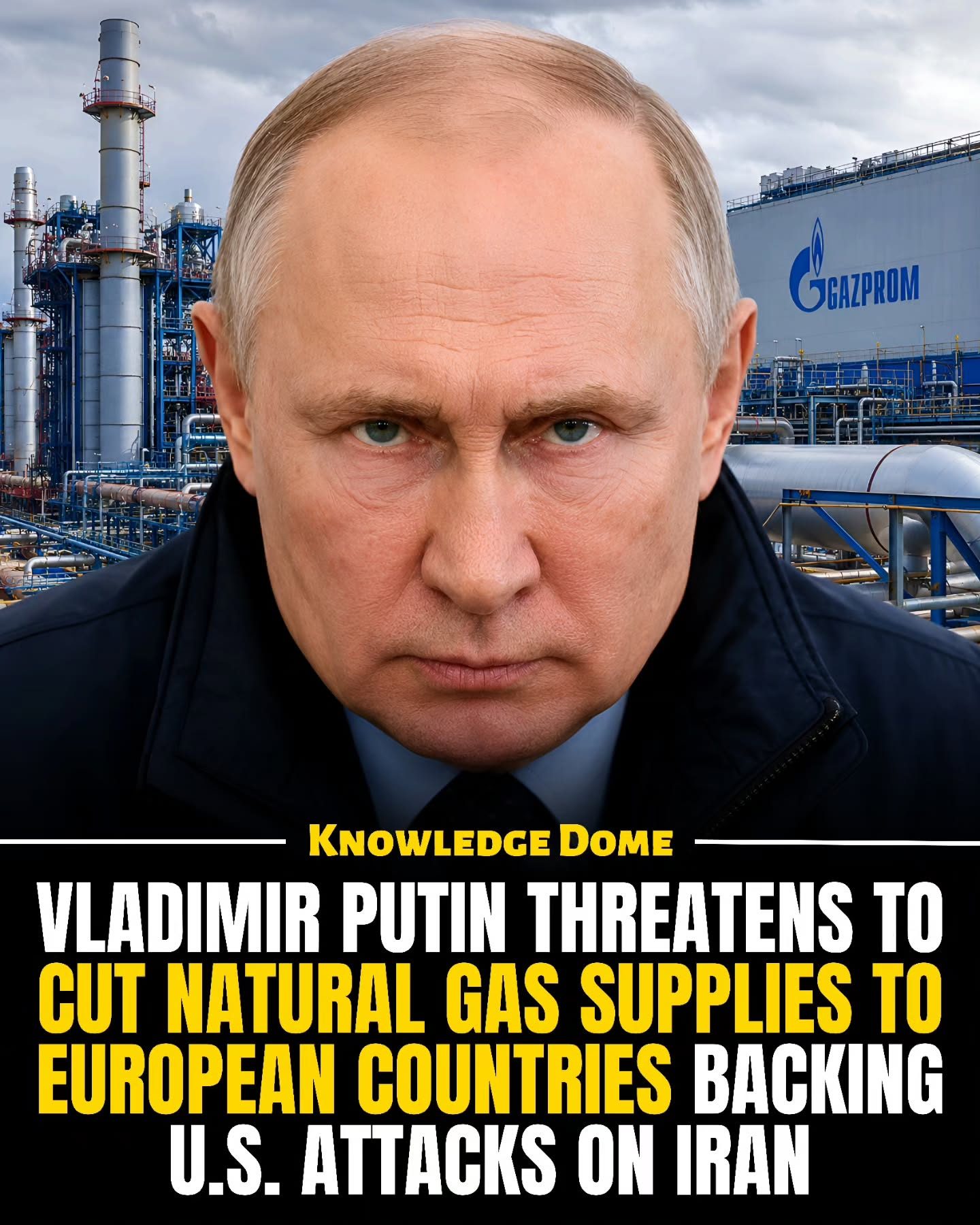
Russian President Vladimir Putin recently issued a stark warning that Russia could rapidly halt the remaining natural gas exports to European countries that support U.S. and Israeli military actions against Iran. This announcement is seen as a strategic move to pressure the European Union (EU) into altering its stance on sanctions and slowing down its plans to phase out Russian energy imports.
This geopolitical development comes with significant implications for European countries, particularly those heavily reliant on Russian natural gas. Hungary and Slovakia, which still depend on Russian pipeline gas, are likely to face severe impacts if Russia follows through on this threat.
Context
Putin's warning was issued in early March 2026. In this context, this move is far from impulsive. It's a calculated decision to exert pressure over the geopolitical landscape. Russia is considering redirecting natural gas supplies to more reliable partners, particularly in Asia and other regions, rather than maintaining the flow to Europe. This shift reflects a broader geopolitical strategy aimed at securing energy markets and ensuring that Russia's geopolitical influence remains intact.
Gazprom's Role
Gazprom, Russia's state-owned energy company, is at the center of this energy dispute. Gazprom manages the supply of natural gas, which is a critical component of Europe's energy infrastructure. The company's infrastructure, including pipelines and storage facilities, is integral to the distribution of natural gas to various European countries. Any disruption in Gazprom's operations could have far-reaching consequences for European energy security.
The Broader Geopolitical Context
The current geopolitical situation is characterized by heightened tensions, particularly in the Middle East. The conflict linked to Iran has pushed energy prices up, creating an increasingly difficult situation for Europe. This adds another layer of complexity to the energy crisis, as Europe is already grappling with the dual challenges of high energy demand and the need to reduce dependence on Russian energy.
Main Discussion
Energy Dependence and European Strategy
Europe's reliance on Russian natural gas is a longstanding issue. Many countries, including Germany, Italy, and Austria, have historically depended on Russian gas to meet their energy needs. However, recent geopolitical events have prompted a reevaluation of this dependence. The EU has been working on diversifying its energy sources and reducing its reliance on Russian gas. This includes investing in renewable energy, enhancing energy efficiency, and exploring alternative supply options, such as liquefied natural gas (LNG) from other countries. The warning from Russia could expedite these efforts, as European countries seek to mitigate the potential impacts of a gas cutoff.
Impact on the Energy Market
A sudden halt in natural gas supplies from Russia would have immediate and long-term effects on the European energy market. In the short term, gas prices are likely to surge, affecting both industrial and residential consumers. Longer-term impacts could include supply shortages, reduced industrial output, and economic instability. Countries that are highly dependent on Russian gas would be particularly vulnerable. This could lead to widespread disruptions in both energy and economic sectors.
Practical tips
For Policymakers
For policymakers in Europe, the priority should be to expedite the diversification of energy sources. This includes accelerating the development of renewable energy projects, enhancing energy storage capabilities, and investing in alternative fuel sources. Additionally, strengthening energy cooperation within the EU and with other reliable partners is crucial for minimizing the impact of potential supply disruptions.
For Businesses
Businesses should focus on energy efficiency and explore alternative energy sources. Investing in technologies that reduce energy consumption and increase productivity can help mitigate the impact of potential supply disruptions. Additionally, businesses should consider diversifying their energy supplies, including exploring partnerships with alternative energy providers.
Important Takeaways
Geopolitical Implications
The threat of cutting off natural gas supplies highlights the interconnected nature of geopolitics and energy security. European countries must balance their geopolitical alliances with their energy needs. This situation underscores the importance of maintaining strong diplomatic relations and ensuring energy security.
Energy Security
Energy security is a critical concern for European countries. The potential disruption of natural gas supplies from Russia emphasizes the need for a robust and diversified energy strategy. Investing in renewable energy, enhancing energy efficiency, and exploring alternative fuel sources are essential steps in ensuring a stable and secure energy future.
Economic and Political Stability
Economic and political stability in Europe could be at risk due to this geopolitical maneuver. Countries must be prepared for potential economic fallout and political shifts resulting from this energy crisis. It’s crucial for European governments to have contingency plans in place to ensure economic stability and political continuity.
Conclusion
The warning from Russian President Vladimir Putin regarding the potential halt of natural gas supplies to European countries is a significant geopolitical development. It underscores the interconnected nature of energy, geopolitics, and economic stability. European countries must prioritize energy security, diversify their energy sources, and strengthen their geopolitical alliances to navigate this challenging situation. The threat of a gas cutoff is a call to action for European policymakers, businesses, and citizens to take proactive steps towards ensuring a secure and stable energy future.
Watch the Reel
Questions readers ask
What prompted Putin's threat to halt gas exports to Europe?
Putin's threat is a response to European countries that support U.S. and Israeli military actions against Iran. By issuing this warning, he aims to influence the EU's stance on sanctions and energy policies related to Russia.
Which European countries are most at risk from this threat?
Countries like Hungary and Slovakia, which still rely heavily on Russian pipeline gas, are most vulnerable. These nations could face severe consequences if Russia decides to halt its natural gas exports.
How might this threat impact European countries?
European countries could experience energy shortages, economic consequences, and be forced to seek alternative energy sources. It could also accelerate efforts to diversify energy supplies and reduce dependence on Russian gas.
What is the strategic goal behind Putin's warning?
Putin's strategic goal is to pressure the EU into changing its policies on sanctions against Russia and slowing down plans to phase out Russian energy imports. This move is designed to leverage Europe's energy needs to achieve geopolitical objectives.
What is the context of Putin's threat, and why is the timing significant?
The threat was issued in early March 2026, following months of geopolitical tensions and it is likely part of a broader strategy rather than an impulsive decision. It comes after Russia has already been engaged in a series of geopolitical maneuvers and reflects a deliberate attempt to exert influence.
What steps can European countries take to mitigate the impact of this threat?
European countries can pursue alternative energy sources such as renewables, and increasing their own natural gas production. They can also engage in negotiations and build strategic reserves. Diversifying energy imports from other suppliers is another crucial step to reduce reliance on Russian natural gas.
What role does the Iran conflict play in this geopolitical move?
The Iran conflict serves as a catalyst for Putin's threat. By linking European support for U.S. and Israeli actions against Iran to the gas supply, Putin aims to create leverage and force the EU to reconsider its policies. This move underscores the interconnected nature of global conflicts and energy politics.
Recent articles
Fresh deep dives from the latest Reels we unpacked.




Comments
Be the first to comment.