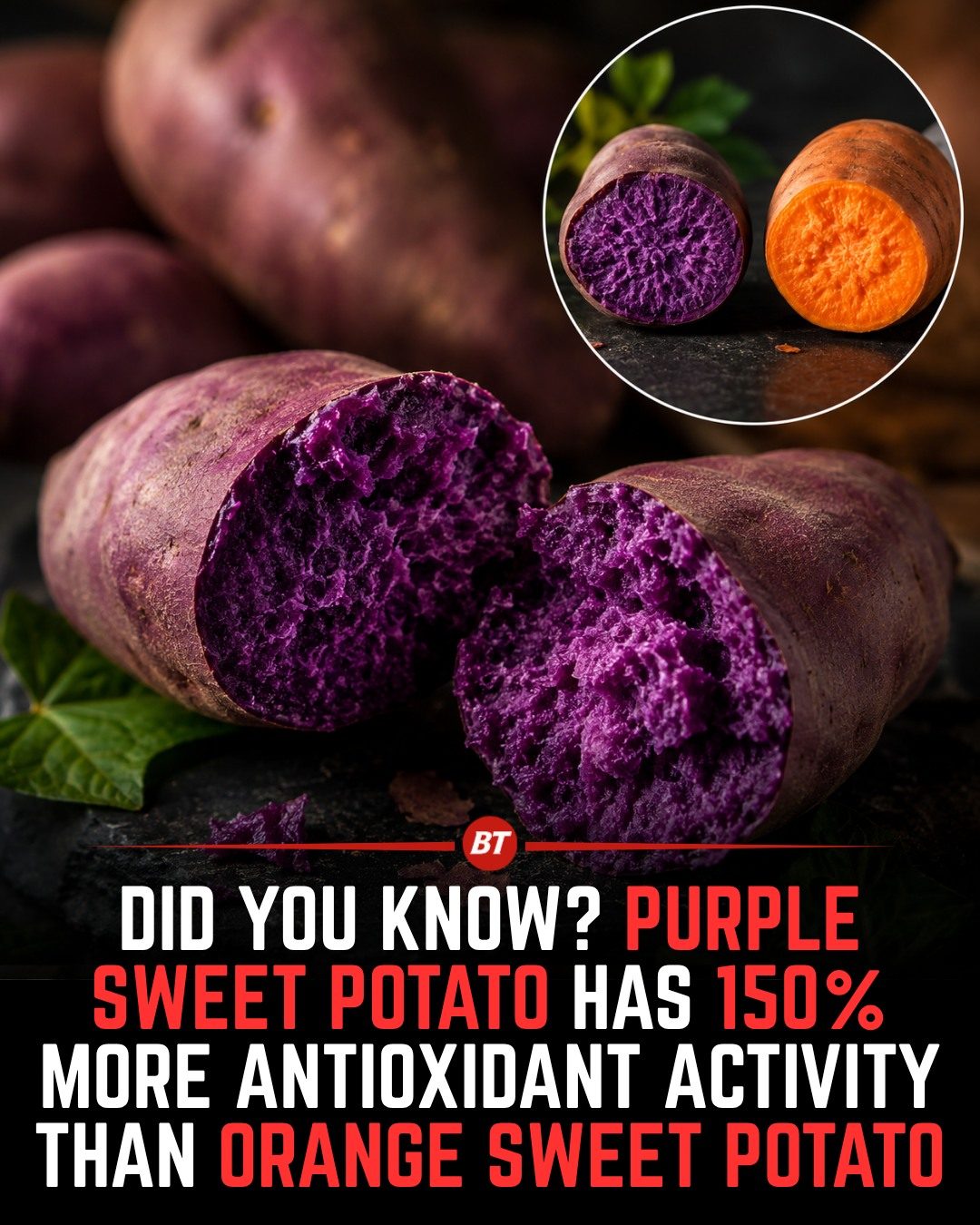
Purple Sweet Potatoes: A Nutritional Powerhouse
The vibrant purple color of sweet potatoes isn't just for show—it's a sign of something powerful happening inside. These tubers are packed with anthocyanins, the same antioxidant compounds found in blueberries, blackberries, and purple grapes. These pigments don't just give the potato its striking color; they also help protect plant cells from damage and may provide important health benefits for humans when included in the diet.
Why This Matters
Purple sweet potatoes offer a unique nutritional profile that sets them apart from their orange counterparts. While both varieties are excellent sources of essential nutrients, purple sweet potatoes contain significantly higher levels of antioxidants. This makes them a valuable addition to a balanced diet. Understanding the benefits of purple sweet potatoes can help individuals make informed decisions about incorporating these tubers into their meals.
The Power of Anthocyanins
Purple sweet potatoes get their distinctive color from a family of compounds called anthocyanins. These pigments are potent antioxidants that help protect cells from damage. Researchers have found that purple sweet potatoes generally contain higher antioxidant activity than traditional orange varieties. This is due to their abundance of anthocyanins and other polyphenols, which have been studied for their potential roles in supporting heart health, brain function, and healthy aging.
Comparing Purple and Orange Sweet Potatoes
Both purple and orange sweet potatoes are highly nutritious, but they offer different benefits. Orange sweet potatoes are well-known for their high levels of beta-carotene, which the body converts into vitamin A. Beta-carotene is crucial for maintaining good vision, supporting the immune system, and promoting healthy skin.
Purple sweet potatoes, on the other hand, offer a different antioxidant profile. Their high content of anthocyanins and other polyphenols provides additional health benefits, such as protection against oxidative stress and support for overall well-being.
Health Benefits of Purple Sweet Potatoes
The potential health benefits of purple sweet potatoes are extensive. Here are some of the key advantages:
Heart Health
Anthocyanins and other polyphenols in purple sweet potatoes have been linked to improved heart health. They help reduce inflammation, lower blood pressure, and improve blood vessel function. Additionally, these compounds may help reduce the risk of heart disease by preventing the formation of harmful cholesterol plaques.
Brain Function
The antioxidants in purple sweet potatoes have been shown to support cognitive function and brain health. Research suggests that these compounds may help improve memory, enhance learning abilities, and protect against age-related cognitive decline.
Healthy Aging
Purple sweet potatoes contain compounds that support healthy aging. The antioxidants in these tubers help protect cells from oxidative damage, which is a significant contributor to the aging process. By including purple sweet potatoes in your diet, you can help reduce the risk of age-related diseases and promote overall longevity.
Protection Against Oxidative Stress
Oxidative stress occurs when there is an imbalance between free radicals and antioxidants in the body. This imbalance can lead to cellular damage and increased risk of chronic diseases. The high antioxidant content in purple sweet potatoes helps combat oxidative stress, protecting the body from harm.
Versatile and Delicious
One of the best things about purple sweet potatoes is their versatility in the kitchen. They can be prepared in various ways, making them a delicious and nutritious addition to any meal. Here are some practical tips for incorporating purple sweet potatoes into your diet:
Baking
Baking is a simple and effective way to cook purple sweet potatoes. Preheat your oven to 400°F (200°C), cut the potatoes into wedges or slices, and toss them with a bit of olive oil, salt, and your favorite spices. Bake for about 20-25 minutes or until tender and slightly crispy.
Steaming
Steaming helps retain the nutrients and natural sweetness of purple sweet potatoes. Cut the potatoes into chunks and steam for about 10-15 minutes or until tender. You can then mash them or serve them as a side dish.
Roasting
Roasting brings out the natural sweetness and rich flavor of purple sweet potatoes. Preheat your oven to 425°F (220°C), cut the potatoes into cubes, and toss them with olive oil, salt, and pepper. Roast for about 25-30 minutes or until golden brown and tender.
Smoothies
For a unique twist, try adding purple sweet potatoes to your smoothies. Peel and chop the potatoes, then blend them with your favorite fruits, vegetables, and a liquid base. The result is a nutritious and delicious smoothie that's packed with antioxidants.
Important Takeaways
Purple sweet potatoes are more than just a colorful addition to your plate. These tubers are packed with powerful antioxidants and offer a range of health benefits. Here are some key takeaways:
- Purple sweet potatoes contain significantly higher levels of antioxidants, including anthocyanins and other polyphenols, compared to orange sweet potatoes.
- These antioxidants support heart health, brain function, healthy aging, and protection against oxidative stress.
- The vibrant purple color of the potatoes is a sign of their high antioxidant content and potential health benefits.
- Both purple and orange sweet potatoes are nutritious and valuable to a healthy diet.
- Purple sweet potatoes can be prepared in various ways, including baking, steaming, roasting, and blending into smoothies.
Conclusion
Incorporating purple sweet potatoes into your diet is an excellent way to boost your antioxidant intake and support overall health. Whether you're looking to improve heart health, enhance cognitive function, or promote healthy aging, these vibrant tubers offer a range of benefits. Experiment with different cooking methods and enjoy the delicious taste and nutritional advantages of purple sweet potatoes.
Watch the Reel
Questions readers ask
What makes purple sweet potatoes different from orange sweet potatoes?
Purple sweet potatoes stand out due to their high concentration of anthocyanins, which are potent antioxidant compounds. These antioxidants give the potatoes their vibrant purple hue and contribute to their unique health benefits, setting them apart from the more common orange sweet potatoes.
How do anthocyanins in purple sweet potatoes benefit health?
Anthocyanins act as powerful antioxidants, helping to neutralize harmful free radicals in the body. By including purple sweet potatoes in your diet, you can support your body's natural defenses against cell damage, potentially reducing the risk of chronic diseases.
Can purple sweet potatoes be part of a balanced diet?
Absolutely, purple sweet potatoes can be a valuable addition to a well-rounded diet. They offer a unique blend of antioxidants and essential nutrients, making them a tasty and colorful way to boost your overall nutrient intake. Plus, their versatility in recipes makes it easy to incorporate them into various meals.
What are some creative ways to include purple sweet potatoes in meals?
Purple sweet potatoes can be enjoyed in a variety of dishes, from savory to sweet. Try them roasted, mashed, or as fries for a flavorful side dish. You can also incorporate them into baked goods like muffins or bread, or even make a vibrant purple sweet potato pie for a unique twist on a classic dessert.
Are there other foods rich in anthocyanins besides purple sweet potatoes?
Yes, several other foods are high in anthocyanins. Some notable examples include blueberries, blackberries, purple grapes, and red cabbage. Incorporating a variety of these anthocyanin-rich foods into your diet can help enhance your overall antioxidant intake and support your health.
Related deep dives
Similar reads based on topic and creator.




Recent articles
Fresh deep dives from the latest Reels we unpacked.




Comments
Be the first to comment.