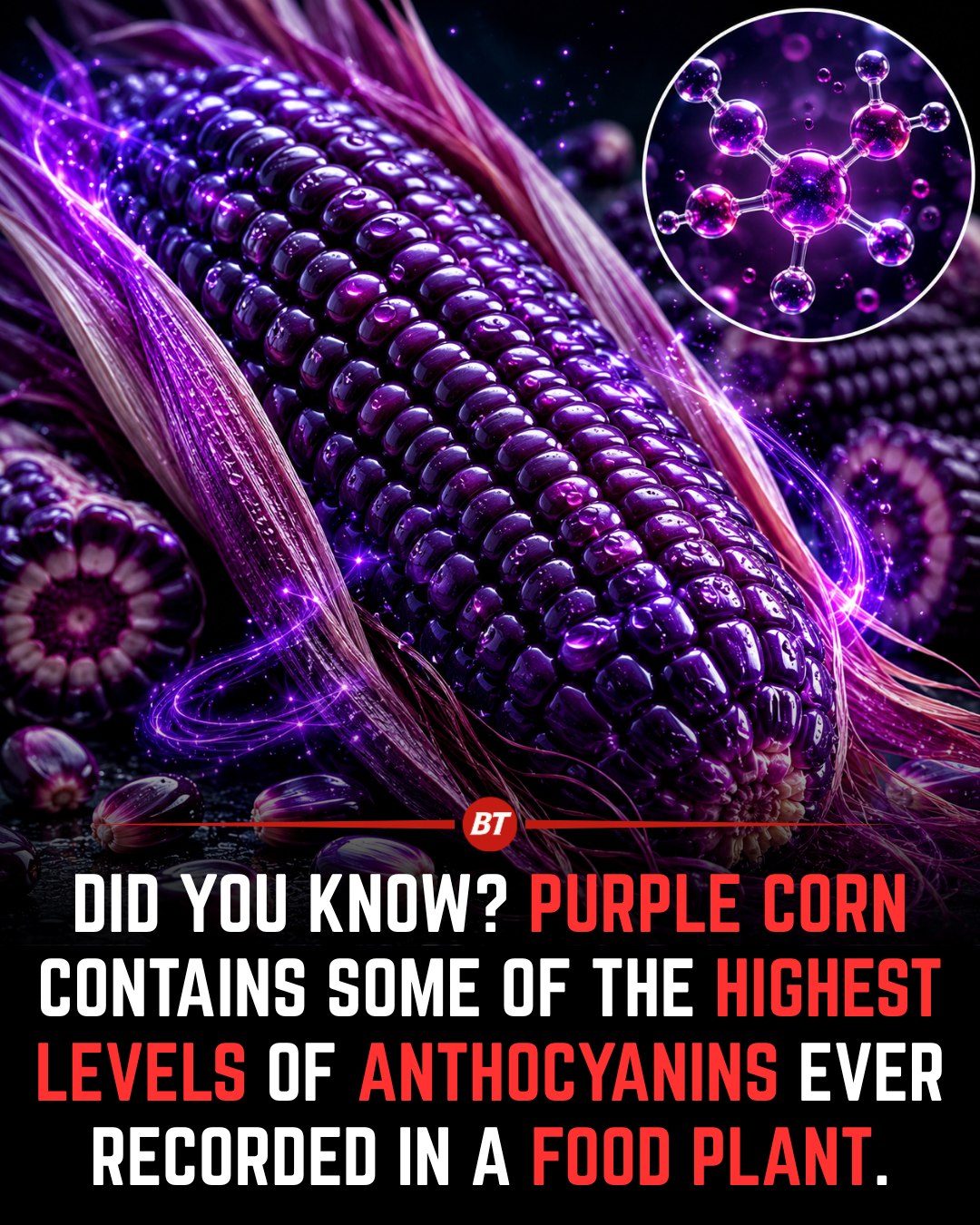
Purple Corn: A Powerhouse of Antioxidants
Purple corn is a vibrant and nutritious variety of corn that stands out not just for its striking color, but also for its exceptional health benefits. Unlike traditional yellow corn, purple corn owes its deep violet hue to an extraordinary concentration of anthocyanins, which are powerful antioxidants also found in blueberries, blackberries, and acai berries. This makes purple corn one of the most antioxidant-rich foods on the planet.
Why This Matters
The health benefits of purple corn are increasingly recognized by researchers and health enthusiasts alike. Understanding its unique properties can provide valuable insights into how this ancient grain can contribute to overall well-being.
Main Discussion
The Science Behind Purple Corn's Color
Purple corn's vibrant color is a direct result of its high concentration of anthocyanins. These are pigment molecules that give many plants their rich, deep colors. In the case of purple corn, the intense pigmentation is a visible indicator of its high antioxidant content. Anthocyanins are particularly beneficial because they help protect the body from oxidative stress and inflammation, both of which are linked to a variety of chronic diseases.
Health Benefits of Anthocyanins
Researchers have been studying the potential effects of anthocyanins in purple corn on various aspects of health. Some of the key areas of interest include:
Heart Health
Anthocyanins in purple corn have been shown to exhibit strong antioxidant activity, which can help protect the heart by reducing oxidative stress and inflammation.
Healthy Aging
The antioxidants in purple corn may also play a role in healthy aging. They can support the health of blood vessels, improve circulation, and protect tissues from the damage associated with aging. This makes purple corn a valuable addition to any diet focused on longevity and vitality.
Blood Sugar Regulation
Studies have suggested that the anthocyanins in purple corn can help with blood sugar regulation, making it a beneficial food for those managing diabetes or aiming to maintain stable blood sugar levels.
Cellular Protection
The antioxidants in purple corn offer robust protection for cells, shielding them from harmful free radicals. This can have a positive impact on overall cellular health and may help reduce the risk of certain diseases.
Practical Tips
Incorporating Purple Corn into Your Diet
There are several ways to incorporate purple corn into your diet, making it easy to reap its health benefits. Purple corn flour, for example, can be used in baking to add a nutritious boost to bread, muffins, and other baked goods. Purple corn tortilla chips or snacks are another delicious and healthy option.
Choosing the Right Purple Corn
When selecting purple corn, look for a deep, vibrant purple color. The darker and more intense the color, the higher the anthocyanin content. This visual cue can help you choose the most antioxidant-rich variety.
Important Takeaways
- Purple corn's unique color comes from a high concentration of anthocyanins, which are powerful antioxidants.
- These antioxidants offer a range of health benefits, including support for heart health, healthy aging, blood sugar regulation, and cellular protection.
- Incorporating purple corn into your diet can be as simple as using purple corn flour in baking or enjoying purple corn tortilla chips as a snack.
Conclusion
Purple corn is more than just a visually striking food; it is a nutritional powerhouse with significant health benefits. Its high concentration of anthocyanins makes it one of the most antioxidant-rich foods available, offering protection against oxidative stress, inflammation, and a range of age-related health issues. By incorporating purple corn into your diet, you can take advantage of these powerful benefits and support your overall well-being.
Watch the Reel
Questions readers ask
What are anthocyanins and why are they important in purple corn?
Anthocyanins are a type of flavonoid responsible for the vibrant purple color in purple corn. They are particularly important because they act as powerful antioxidants, helping to neutralize harmful free radicals in the body. This makes purple corn an excellent source of natural antioxidants, contributing to overall health and well-being.
How does purple corn compare to traditional yellow corn in terms of nutritional benefits?
Purple corn offers distinct advantages over traditional yellow corn due to its high concentration of anthocyanins. While traditional corn provides essential nutrients, purple corn's rich antioxidant profile sets it apart. These antioxidants help protect the body from oxidative stress and support various aspects of health, making purple corn a superior choice for those seeking to enhance their diet with antioxidant-rich foods.
What are some of the key health benefits associated with consuming purple corn?
Consuming purple corn can provide several health benefits, including improved heart health, enhanced immune function, and better blood sugar regulation. The anthocyanins in purple corn contribute to these benefits by reducing inflammation, improving blood flow, and supporting overall cellular health. Additionally, purple corn's high fiber content aids in digestion and promotes a healthy gut.
Can purple corn be used in the same way as regular corn in recipes?
Yes, purple corn can be used in many of the same ways as traditional corn. It can be boiled, roasted, or ground into flour for use in baking. Its vibrant color adds a visually appealing element to dishes, making it a great addition to salads, soups, and main courses. Experimenting with purple corn in your cooking can be a delicious way to boost your intake of natural antioxidants.
What are some of the highest antioxidant foods, and where does purple corn rank among them?
Purple corn ranks among the highest antioxidant foods due to its exceptional concentration of anthocyanins. Other foods rich in antioxidants include blueberries, blackberries, and acai berries. Incorporating purple corn into your diet can help you reap the benefits of these powerful antioxidants, contributing to a more balanced and nutritious eating plan.
Are there any potential side effects or considerations when consuming purple corn?
Purple corn is generally safe for most people to consume as part of a balanced diet. However, some individuals may experience allergic reactions, especially those with sensitivities to other grains. Additionally, because of its high fiber content, consuming large amounts of purple corn could cause digestive issues in some people. As with any new food, it's a good idea to introduce it gradually and monitor your body's response.
How can I incorporate more purple corn into my diet?
Incorporating purple corn into your diet can be both enjoyable and simple. You can use purple corn flour in baking to enhance the nutritional content of baked goods. Alternatively, you can use purple corn kernels in salads, soups, or as a side dish. Experiment with purple corn tortillas, popcorn, or even purple corn polenta to discover new and exciting dishes that offer the benefits of this antioxidant-rich grain.
Related deep dives
Similar reads based on topic and creator.




Recent articles
Fresh deep dives from the latest Reels we unpacked.




Comments
Be the first to comment.