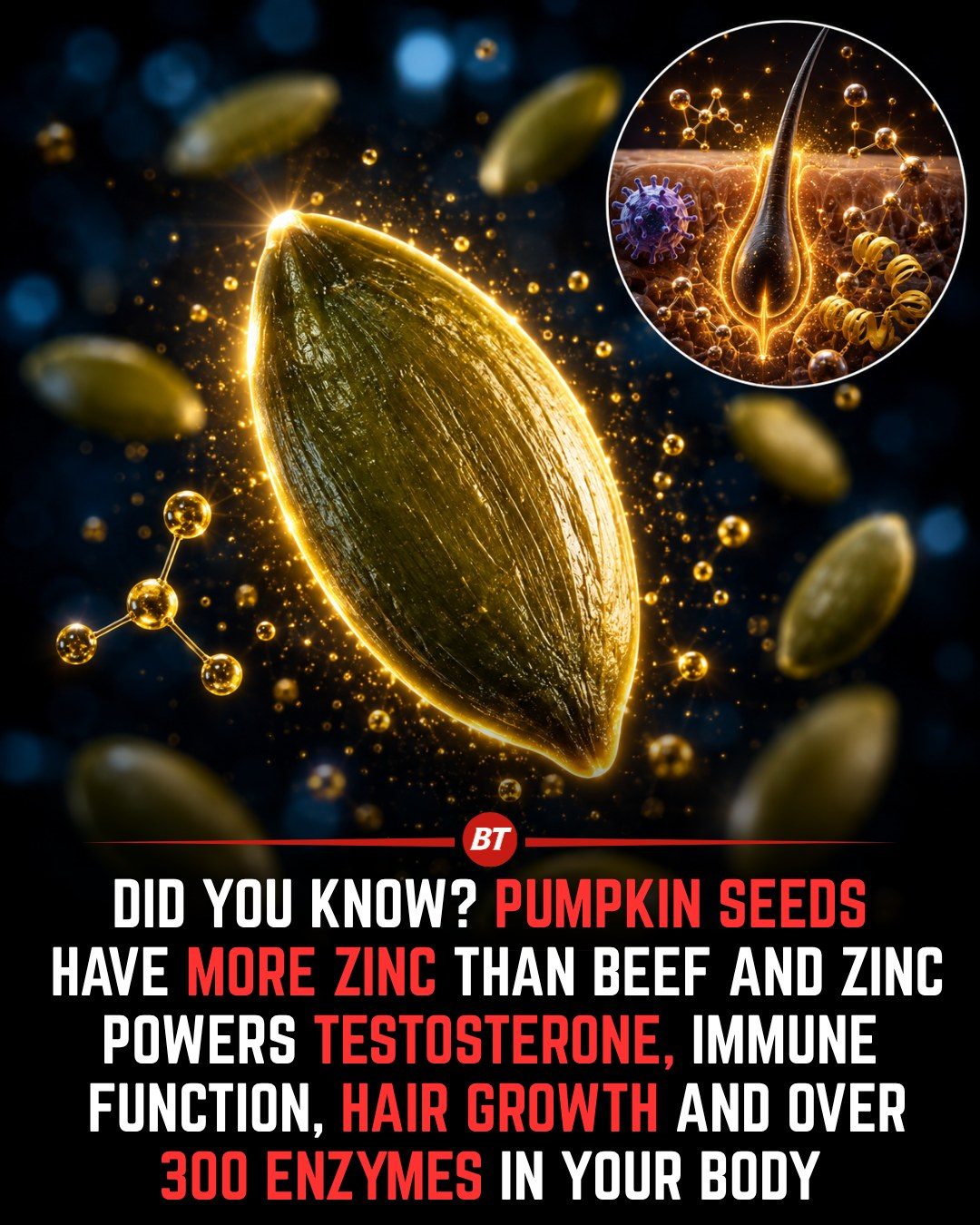
Pumpkin Seed Benefits
Pumpkin seeds are a powerhouse of nutrition, offering a range of health benefits that make them a valuable addition to any diet. These small seeds are particularly notable for their high zinc content, which plays a crucial role in various bodily functions. Let's delve into the specifics of what makes pumpkin seeds so beneficial and why incorporating them into your daily routine can be advantageous.
Context / Why This Matters
Pumpkin seeds are one of nature's richest plant sources of zinc, a mineral essential for numerous bodily functions. Zinc is involved in thousands of biochemical reactions, making it a vital component for maintaining overall health. From supporting testosterone production to boosting immune function and promoting hair growth, the benefits of zinc are far-reaching.
Main Discussion
The Role of Zinc in the Body
Zinc is a critical mineral for various bodily processes. It is essential for DNA synthesis, protein production, and wound healing. Zinc also supports healthy skin, cell growth, and the production of reproductive hormones. One of the standout features of pumpkin seeds is their ability to power testosterone, immune function, and hair growth. Here’s a closer look at these specific benefits:
Testosterone and Hormonal Health
Zinc plays a key role in the production of reproductive hormones, including testosterone. Adequate zinc intake is crucial for maintaining normal testosterone levels, especially in individuals who are zinc deficient. While eating pumpkin seeds alone won’t dramatically increase testosterone if your zinc levels are already normal, they can help ensure your body has the nutrients it needs to produce hormones and carry out hundreds of essential enzymatic reactions.
Immune Function
Zinc supports the normal function of immune cells, helping to defend the body against infections. By consuming pumpkin seeds, you can boost your immune system and enhance your body's ability to fight off illnesses. This is particularly important in maintaining overall health and wellness.
Hair Growth and Skin Health
The zinc found in pumpkin seeds promotes hair growth and supports healthy skin. Research has shown that adequate zinc intake is essential for maintaining healthy hair follicles. By incorporating pumpkin seeds into your diet, you can support your body's natural processes that contribute to healthy hair and skin.
Additional Nutritional Benefits
Pumpkin seeds are not only rich in zinc but also provide a variety of other essential nutrients. They are a good source of magnesium, iron, healthy fats, and plant protein. This combination of nutrients makes pumpkin seeds a nutrient-dense food that can contribute to a well-rounded diet. They are also a great source of fiber, which supports digestive health.
Enzyme Activity
Pumpkin seeds contain over 300 enzymes that are essential for various bodily functions. These enzymes play a critical role in keeping you alive and functioning by facilitating countless biochemical reactions that occur every day. By consuming pumpkin seeds, you can support your body's enzymatic processes and overall health.
Research Findings
Research published in reputable journals such as Nutrients, the American Journal of Clinical Nutrition, and the Journal of Trace Elements in Medicine and Biology has highlighted the significance of zinc in maintaining normal testosterone levels, supporting immune health, and promoting healthy hair follicles. These findings underscore the importance of including zinc-rich foods like pumpkin seeds in your diet.
Practical Tips
Incorporating pumpkin seeds into your daily routine is easy and versatile. Here are some practical tips to help you make the most of their nutritional benefits:
Snacking
Enjoy a small handful (about ¼ cup) of roasted, unsalted pumpkin seeds as a healthy snack. This is an excellent way to get a quick boost of zinc, magnesium, and plant protein.
Cooking and Baking
You can add pumpkin seeds to a variety of dishes for an extra nutritional kick. Sprinkle them over salads, yogurt, or oatmeal for added crunch and flavor. They also make a great topping for soups and stews.
Baking
Pumpkin seeds can be ground into a fine flour and used as a gluten-free alternative in baking. This is a great way to add a nutritional boost to your baked goods without compromising on taste.
Smoothies and Puddings
Blend pumpkin seeds into your favorite smoothies or puddings for a protein and nutrient-rich beverage.
Important Takeaways
When it comes to the benefits of pumpkin seeds, the most important takeaways are as follows:
Rich in Zinc
As one of the richest plant sources of zinc, pumpkin seeds are essential for various bodily functions, including testosterone production, immune function, and hair growth.
Nutrient-Dense
Pumpkin seeds offer a unique combination of protein, healthy fats, fiber, and essential minerals, making them a valuable addition to any diet.
Easy to Incorporate
The versatility of pumpkin seeds makes them easy to incorporate into your daily meals and snacks, ensuring you get the nutritional benefits they offer.
Conclusion
Pumpkin seeds are a nutritional powerhouse, packed with essential minerals, vitamins, and enzymes that support overall health and wellness. From boosting testosterone and immune function to promoting hair growth and healthy skin, the benefits of pumpkin seeds are vast and varied. Incorporating these nutrient-dense seeds into your diet is a simple and effective way to enhance your health and well-being. Whether you enjoy them as a snack or add them to your favorite dishes, pumpkin seeds are a valuable addition to any diet.
Watch the Reel
Questions readers ask
What makes pumpkin seeds a rich source of zinc?
Pumpkin seeds are considered a rich source of zinc because they are one of the most concentrated plant-based sources of this essential mineral. This is beneficial as zinc plays a crucial role in many bodily functions, such as immune support, and is often lacking in modern diets which rely heavily on processed foods.
How do pumpkin seeds benefit immune function?
Pumpkin seeds support immune function due to their high zinc content. Zinc is known to enhance the activity of immune cells, helping the body to fend off infections more effectively. Incorporating pumpkin seeds into your diet can therefore be a beneficial way to support your immune system.
How do pumpkin seeds assist in hormone regulation?
Pumpkin seeds aid in hormone regulation, particularly in supporting the production of testosterone. This is because zinc, which is abundant in pumpkin seeds, plays a key role in the synthesis and regulation of this important hormone, making them a valuable addition for those looking to maintain hormonal balance.
What are the benefits of pumpkin seeds for hair growth?
Pumpkin seeds can promote hair growth due to their zinc content. This mineral is involved in the maintenance of healthy hair follicles and the repair of damaged tissues, making pumpkin seeds a useful addition to your diet if you are looking to improve your hair health.
Can pumpkin seeds be a good source of protein?
Yes, pumpkin seeds are a good plant-based source of protein. They contain about 7 grams of protein per ounce, making them an ideal snack for those looking to increase their protein intake, especially those following a vegetarian or vegan diet.
What other nutrients do pumpkin seeds provide besides zinc?
Pumpkin seeds are packed with a variety of nutrients beyond just zinc, including magnesium, manganese, copper, and vitamin K. They also provide a good amount of healthy fats, fiber, and antioxidants, all of which contribute to overall health and well-being.
How can I incorporate pumpkin seeds into my daily diet?
Pumpkin seeds can be easily incorporated into your daily diet in a variety of ways. You can snack on them raw or roasted, add them to salads or yogurt, or use them as a topping for soups and stews. You can also blend them into smoothies or use them as an ingredient in homemade granola or trail mix.
Related deep dives
Similar reads based on topic and creator.




Recent articles
Fresh deep dives from the latest Reels we unpacked.




Comments
Be the first to comment.