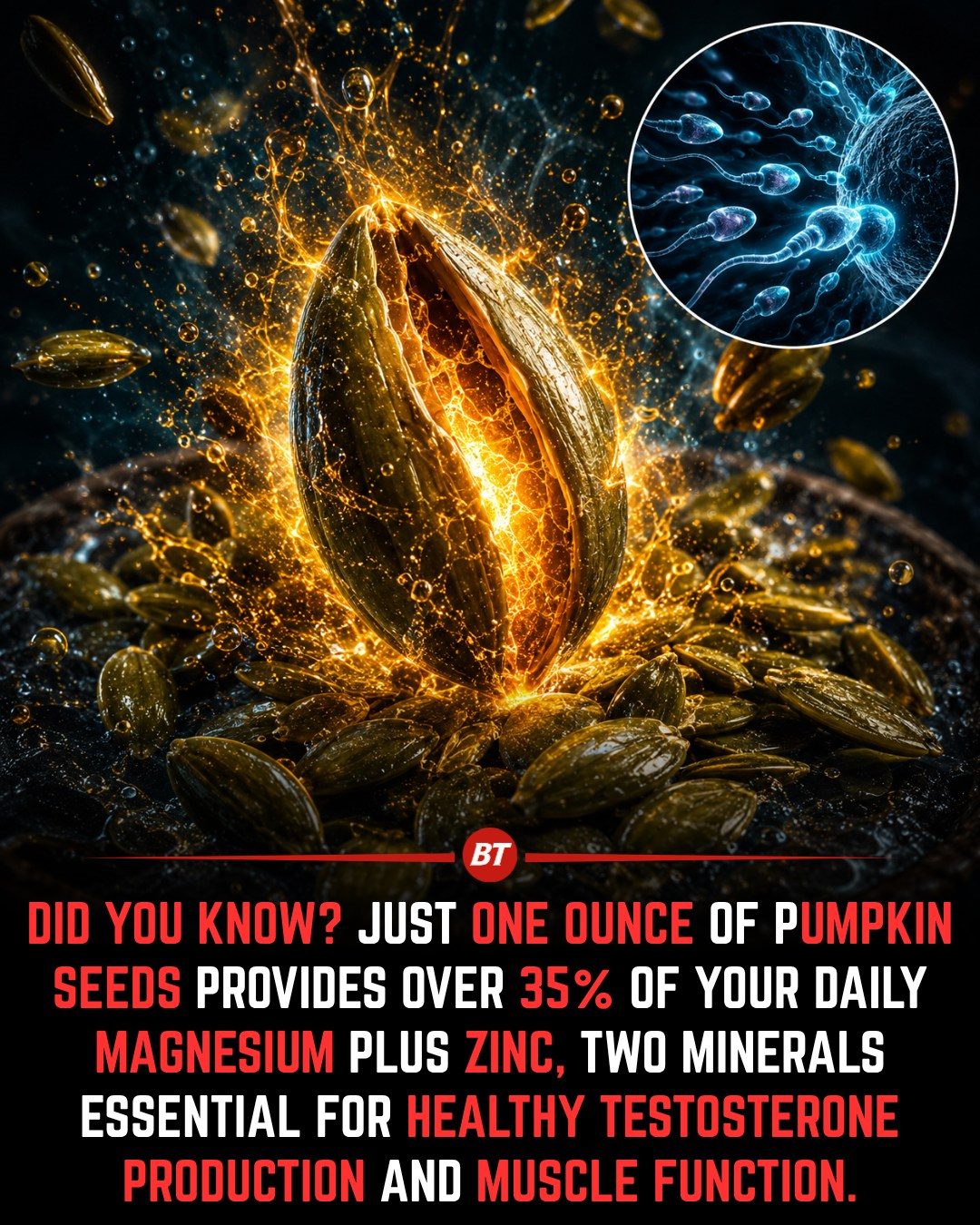
Pumpkin Seeds: A Powerhouse of Nutrients for Muscle Health and Hormone Function
Pumpkin seeds are more than just a fall-season snack. They pack a powerful nutritional punch, offering a range of essential minerals, vitamins, and other nutrients that support muscle function, hormone health, and overall well-being.
Why Pumpkin Seeds Matter
The primary appeal of pumpkin seeds lies in their impressive nutritional profile. They are particularly rich in magnesium and zinc, two minerals that play crucial roles in maintaining and boosting health.
Magnesium: The Unsung Hero
Magnesium is involved in more than 300 enzymatic reactions in the body. It helps regulate muscle contractions, nerve signaling, energy production, blood sugar balance, and normal heart rhythms. It is essential for supporting muscle performance, recovery, and overall functionality.
However, many adults fall short of the recommended daily intake of magnesium. One ounce of pumpkin seeds provides over 35% of the daily recommended intake of magnesium. This makes them an excellent dietary source of this vital mineral.
Zinc: Essential for Hormone Health and Immune Function
Pumpkin seeds are also an excellent source of zinc, a mineral that is vital for immune function, wound healing, protein synthesis, and healthy hormone production. Zinc is particularly important for maintaining normal testosterone levels, especially in individuals who are deficient. It also plays a crucial role in supporting the body's ability to recover after exercise.
The Role of Pumpkin Seeds in Muscle Function and Hormone Health
Muscle Function and Recovery
Pumpkin seeds are not just a tasty treat; they are also a nutritional powerhouse for muscle health. The magnesium and zinc in pumpkin seeds support muscle function and recovery. Magnesium helps regulate muscle contractions, ensuring that muscles work efficiently. Zinc, on the other hand, is crucial for muscle repair and growth, making it an essential mineral for athletes and fitness enthusiasts.
Hormone Health
Testosterone is a key hormone for both men and women, playing a vital role in muscle mass, strength, and overall energy levels. Pumpkin seeds, with their high zinc content, support healthy testosterone production. This is especially beneficial for individuals who are deficient in this essential mineral.
Beyond Magnesium and Zinc
While magnesium and zinc are the standout nutrients in pumpkin seeds, they also provide a host of other beneficial compounds. These include:
- Plant Protein: Pumpkin seeds are a good source of plant-based protein, making them an excellent snack for vegetarians and vegans.
- Iron: Essential for oxygen transport in the blood.
- Healthy Fats: Pumpkin seeds contain unsaturated fats, which are good for heart health and overall well-being.
- Antioxidants: These help protect the body from damage caused by harmful molecules called free radicals.
- Fiber: Fiber supports digestive health and helps maintain a healthy weight.
Practical Tips for Incorporating Pumpkin Seeds into Your Diet
Daily Intake
To reap the benefits of pumpkin seeds, enjoy about 1 ounce (28 grams) of raw or lightly roasted pumpkin seeds each day. This small serving size can deliver a significant boost to your nutritional intake.
Creative Ways to Enjoy Pumpkin Seeds
- Snacking on Them: The simplest way to enjoy pumpkin seeds is to snack on them directly. They have a crunchy texture and a slightly nutty flavor that makes them a satisfying snack.
- Add to Meals: Sprinkle pumpkin seeds over oatmeal, yogurt, salads, soups, or trail mix. Their versatility makes them a great addition to various meals and snacks.
- Baking and Cooking: Incorporate pumpkin seeds into baked goods, such as bread, muffins, and cookies. You can also use them as a topping for savory dishes like quinoa or stir-fries.
Storage Tips
To maintain the freshness and nutritional value of pumpkin seeds, store them in an airtight container in a cool, dry place. This will help prevent them from going rancid and ensure that you get the most out of their health benefits.
Important Takeaways
- Pumpkin seeds are rich in magnesium and zinc, two essential minerals for muscle function, testosterone production, and overall health.
- They support muscle recovery and hormone health, making them a valuable addition to any diet.
- Regular consumption of pumpkin seeds can help you meet your daily recommended intake of magnesium and zinc, which many adults struggle to achieve through their diet alone.
Conclusion
Pumpkin seeds are a nutrient-dense snack that offers a wide range of health benefits. They are particularly valuable for those looking to support muscle function and hormone health. By incorporating a small handful of pumpkin seeds into your daily diet, you can boost your nutrient intake and support your overall well-being. So, the next time you reach for a snack, consider grabbing a handful of pumpkin seeds—your body will thank you.
Watch the Reel
Questions readers ask
How do pumpkin seeds assist in muscle recovery?
Pumpkin seeds are rich in magnesium, which aids in muscle relaxation and recovery. Magnesium helps regulate muscle contractions and nerve signaling, reducing the risk of muscle cramps and promoting overall muscle health.
What role does zinc in pumpkin seeds play in hormone health?
Zinc is crucial for hormone production and balance. It supports the function of the hormones that regulate mood, appetite, and metabolism. Adequate zinc intake can help maintain testosterone levels in men and support progesterone production in women.
How much magnesium and zinc are in a handful of pumpkin seeds?
About an ounce, or a handful, of pumpkin seeds contains around 150mg of magnesium and 2mg of zinc. While this is a good amount, you should keep in mind that it depends on the exact size of the pumpkin seeds.
Can pumpkin seeds boost testosterone levels in men?
Yes, pumpkin seeds contain several nutrients, including zinc and magnesium, that support testosterone production. These essential minerals help maintain healthy hormone levels, which can positively impact men's health and vitality.
Are pumpkin seeds beneficial for women's hormone balance?
Absolutely. The zinc and magnesium in pumpkin seeds help regulate hormones and support overall well-being. These minerals assist in maintaining healthy progesterone levels and supporting menstrual health and fertility.
What other nutrients in pumpkin seeds support muscle function?
In addition to magnesium, pumpkin seeds contain manganese, which is essential for muscle and nerve function. They also provide protein, with about 7 grams per ounce, which is vital for muscle repair and growth.
How can incorporating pumpkin seeds into a diet support overall health?
Pumpkin seeds offer a range of health benefits. They provide essential minerals and vitamins, support muscle and hormone health, and contribute to overall well-being. Including a handful of pumpkin seeds in your daily diet can be a simple way to boost your nutrient intake.
Related deep dives
Similar reads based on topic and creator.



Recent articles
Fresh deep dives from the latest Reels we unpacked.




Comments
Be the first to comment.