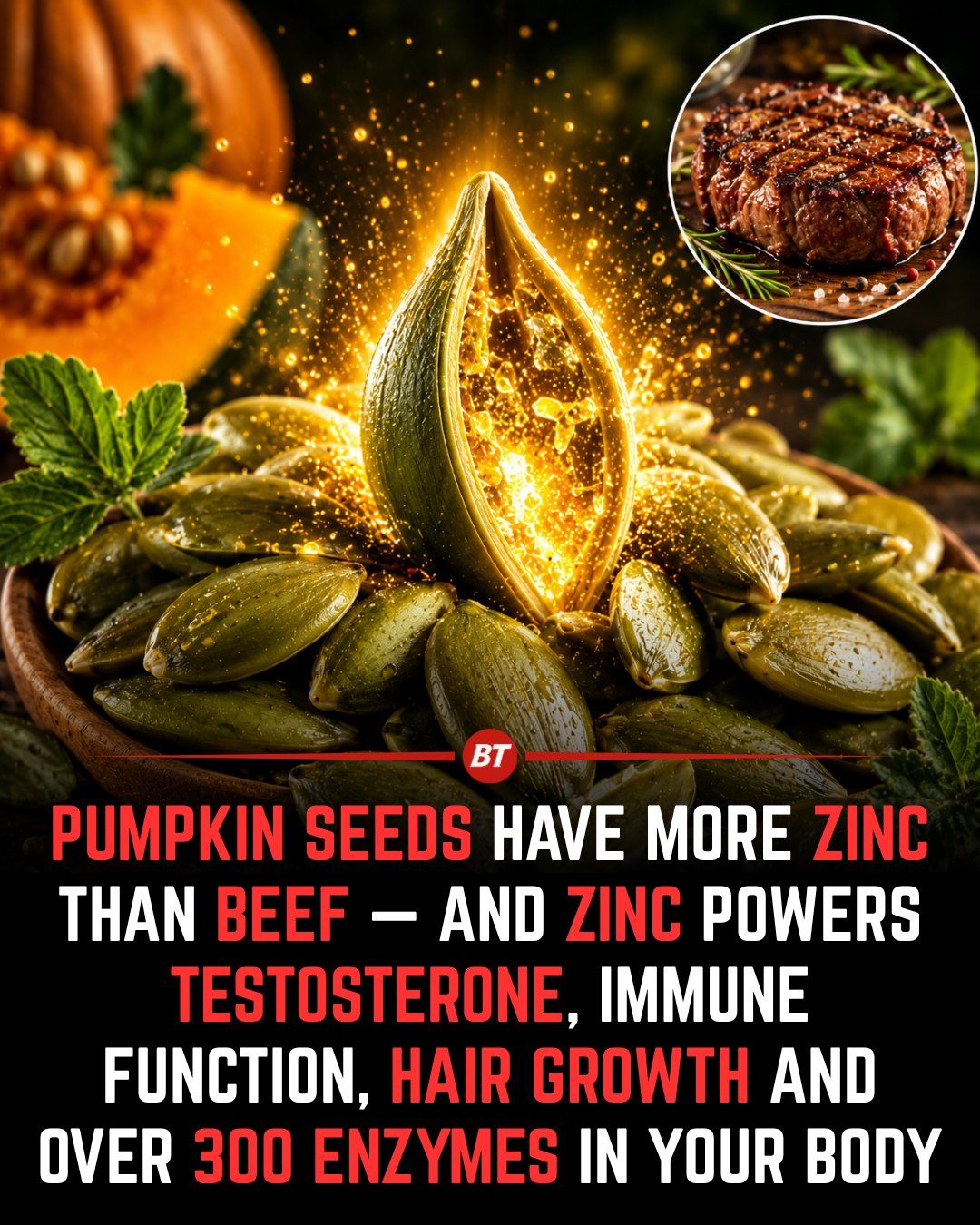
Pumpkin Seeds: The Underrated Mineral Powerhouse
Pumpkin seeds are often overlooked in the grocery store, but they pack a powerful nutritional punch. These small seeds are rich in essential minerals, making them a valuable addition to any diet. Most people associate zinc with meat products like beef, but pumpkin seeds actually provide a substantial amount of this crucial mineral. One handful of these seeds offers not just zinc, but also magnesium, iron, healthy fats, and plant protein.
Why This Matters
The benefits of pumpkin seeds go beyond basic nutrition. They play a critical role in various bodily functions, including immune support, hormone production, and overall health. By incorporating pumpkin seeds into your diet, you can enjoy a host of health advantages.
Zinc: The Essential Mineral
Zinc is a key mineral involved in over 300 enzymatic reactions throughout the body. It supports numerous bodily functions, including:
- Immune Function: Zinc is crucial for maintaining a strong immune system. Inadequate zinc intake can lead to impaired immune responses and slower recovery from illnesses.
- Hormone Production: Zinc plays a significant role in hormone production, particularly in the production of testosterone. Men with zinc deficiency often experience reduced testosterone levels, which can affect overall health and energy levels.
- Wound Healing: Zinc aids in the healing process by promoting tissue repair and regeneration.
- Hair Growth: Zinc is essential for healthy hair growth and can help prevent hair loss and improve the overall health of the scalp.
While beef is commonly thought of as a primary source of zinc, pumpkin seeds are among the richest plant-based sources of this mineral. This makes them an excellent option for vegetarians and vegans who may struggle to get enough zinc from their diet.
Magnesium: The Muscle Mineral
In addition to zinc, pumpkin seeds are exceptionally rich in magnesium. Magnesium is vital for:
- Muscle Function: Proper muscle function relies on adequate magnesium levels. This mineral helps in muscle contraction and relaxation, which is crucial for overall physical performance.
- Sleep Quality: Magnesium promotes better sleep by regulating neurotransmitters and supporting the production of melatonin, a hormone that regulates sleep.
- Energy Production: Magnesium is involved in the production of energy within cells, making it essential for maintaining energy levels throughout the day.
- Cardiovascular Health: Magnesium supports heart health by helping to regulate blood pressure and reducing the risk of heart disease.
The combination of zinc and magnesium in pumpkin seeds makes them an ideal snack for those looking to support their overall health and well-being.
Beyond Minerals: Other Health Benefits
Pumpkin seeds offer more than just essential minerals. They are also rich in antioxidants and plant compounds that support various aspects of health, including:
- Heart Health: The antioxidants and healthy fats in pumpkin seeds can help lower cholesterol levels and reduce the risk of heart disease.
- Prostate Health: Some studies suggest that the nutrients in pumpkin seeds may help protect against prostate cancer and improve prostate health.
- Anti-Inflammatory Properties: Pumpkin seeds contain compounds that help reduce inflammation in the body, which can alleviate symptoms of chronic conditions and improve overall well-being.
Incorporating Pumpkin Seeds into Your Diet
Pumpkin seeds are incredibly versatile and can be easily incorporated into various meals and snacks. Here are some practical tips for including them in your daily routine:
Snacking on Pumpkin Seeds
- Raw or Roasted: Enjoy a handful of raw or lightly roasted pumpkin seeds as a quick and nutritious snack.
- Trail Mix: Mix pumpkin seeds with other nuts and dried fruits to create a balanced and delicious trail mix.
Adding to Meals
- Salads: Sprinkle pumpkin seeds on top of your favorite salads for added crunch and nutrition.
- Yogurt or Oatmeal: Top your yogurt or oatmeal with a sprinkle of pumpkin seeds for a nutty flavor and extra protein.
- Smoothies: Blend a handful of pumpkin seeds into your smoothies for a nutritious boost.
Practical Tips
To maximize the benefits of pumpkin seeds, consider the following tips:
- Choose Raw or Lightly Roasted: Opt for raw or lightly roasted pumpkin seeds to retain their nutritional value. Avoid heavily salted or flavored varieties, which can add unnecessary sodium and calories.
- Store Properly: Store pumpkin seeds in an airtight container in a cool, dry place to preserve their freshness and prevent spoilage.
- Portion Control: While pumpkin seeds are nutritious, they are also high in calories. Stick to a serving size of about an ounce (approximately 1/4 cup) to avoid overconsumption.
Important Takeaways
Pumpkin seeds are a powerhouse of essential minerals and nutrients that support various aspects of health. Incorporating them into your diet can help boost your immune function, improve hormone production, promote heart health, and much more. Whether you enjoy them as a snack or add them to your meals, pumpkin seeds are a versatile and nutritious addition to any diet.
The Power of Plant-Based Zinc
One of the standout benefits of pumpkin seeds is their high zinc content. This essential mineral is involved in numerous bodily functions and is crucial for maintaining overall health. By choosing pumpkin seeds as a plant-based source of zinc, you can support your immune system, hormone production, and more.
Conclusion
Pumpkin seeds are a nutritious and versatile addition to any diet. Their rich content of zinc, magnesium, and other essential nutrients makes them a valuable snack for supporting overall health and well-being. By incorporating pumpkin seeds into your daily routine, you can enjoy a variety of health benefits, from improved immune function to better hormone production and heart health.
Watch the Reel
Questions readers ask
How do pumpkin seeds compare to beef in terms of zinc content?
Pumpkin seeds contain more zinc per serving than beef. This makes them an excellent plant-based source of zinc, which is essential for a variety of bodily functions. In fact, a single 1-ounce serving of pumpkin seeds provides about 20% of the daily recommended zinc intake, compared to just 6% from a 1-ounce serving of beef.
What are the key health benefits of zinc from pumpkin seeds?
Zinc from pumpkin seeds supports immune function, aids in hormone production, and promotes healing. It also plays a role in maintaining healthy hair and skin, and is essential for normal growth and development.
What other essential minerals do pumpkin seeds provide?
In addition to zinc, pumpkin seeds are rich in magnesium, iron, and healthy fats. These minerals contribute to overall health, support muscle and nerve function, and help maintain healthy blood pressure levels. Pumpkin seeds are also a good source of plant-based protein, making them a valuable addition to a balanced diet.
Why are pumpkin seeds beneficial for hormone production?
Pumpkin seeds are a good source of zinc, which is crucial for hormone production and balance. Zinc helps in the production of testosterone and other hormones, which are essential for both men and women. Including pumpkin seeds in your diet can contribute to maintaining healthy hormone levels.
How can I incorporate more pumpkin seeds into my diet?
You can easily add pumpkin seeds to your diet by sprinkling them on salads, yogurt, or oatmeal. Enjoy them as a snack, or incorporate them into baked goods and smoothies. Roasting pumpkin seeds enhances their flavor and can make them a tasty addition to your meals.
Are pumpkin seeds a good source of magnesium?
Yes, pumpkin seeds are an excellent source of magnesium. Magnesium is vital for bone health, muscle and nerve function, and blood sugar control. One ounce of pumpkin seeds provides about 15% of the daily recommended magnesium intake, making them a beneficial addition to a balanced diet.
How do pumpkin seeds support immune function?
Pumpkin seeds contain significant amounts of zinc, which is crucial for maintaining a healthy immune system. Zinc helps in the production of white blood cells, aids in wound healing, and supports overall immune function. Including pumpkin seeds in your diet can help ensure you're getting enough zinc to support your immune system.
Related deep dives
Similar reads based on topic and creator.




Recent articles
Fresh deep dives from the latest Reels we unpacked.




Comments
Be the first to comment.