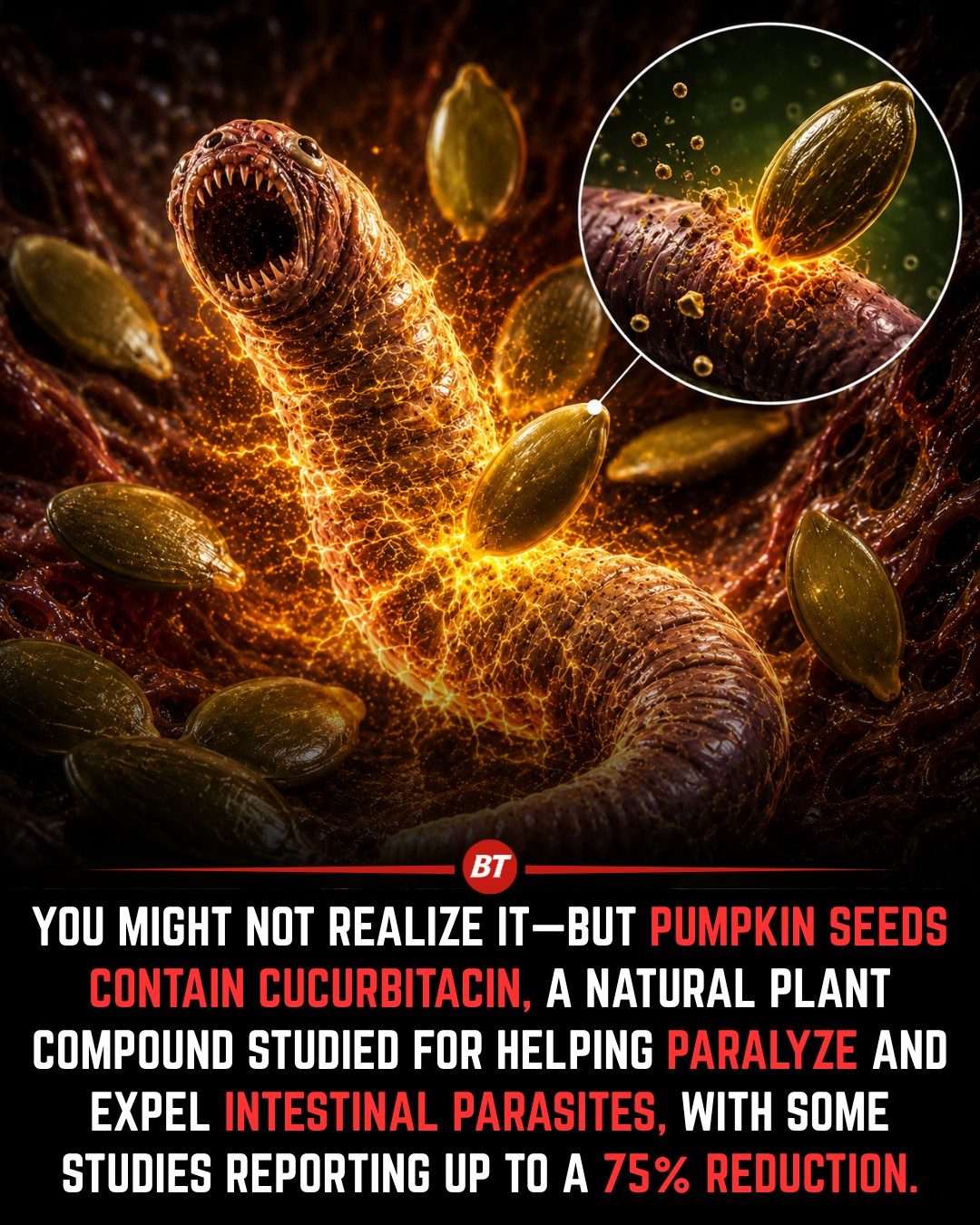
Pumpkin Seeds: A Rich Source of Cucurbitacin
Pumpkin seeds are a crunchy, nutritious snack, but they are also packed with numerous health benefits. One of the most intriguing aspects of pumpkin seeds is their high content of cucurbitacin, a naturally occurring plant compound that has garnered scientific interest for its potential effects on intestinal parasites. This compound has been studied extensively, with some research suggesting a significant reduction in parasite populations.
Why This Matters
Understanding the potential health benefits of pumpkin seeds can help us make informed decisions about our diet and overall well-being. While pumpkin seeds are commonly enjoyed as a snack, their role in supporting digestive health and immune function make them a valuable addition to any diet.
Cucurbitacin: The Key Compound
What is Cucurbitacin?
Cucurbitacin is a type of plant compound that is found in various plants, including pumpkins. This compound has been studied for its potential to help paralyze and expel intestinal parasites. Some studies have reported up to a 75% reduction in parasite populations, making cucurbitacin a promising area of research.
Mechanisms of Action
Cucurbitacin and other bioactive compounds in pumpkin seeds are believed to interfere with the parasites' ability to function normally. This interference makes it easier for the body to eliminate these parasites. Laboratory studies, animal research, and a limited number of human studies have suggested that these compounds can affect certain parasitic worms, reducing their burden in the body.
Scientific Research
Researchers are actively investigating the potential benefits of cucurbitacin and other compounds in pumpkin seeds. Laboratory and animal studies have provided initial evidence, but more human studies are needed to fully understand the effectiveness of pumpkin seeds in treating parasitic infections. The results of these studies are mixed, depending on factors such as the parasite species, the dose, and whether pumpkin seeds are used alone or alongside conventional treatments.
It's important to note that while the early research is encouraging, pumpkin seeds should not be considered a proven cure for parasitic infections. They are best viewed as a nutritious food with promising scientific interest.
Nutritional Benefits of Pumpkin Seeds
Pumpkin seeds are not just a source of cucurbitacin; they also provide a wide range of essential nutrients. They are naturally rich in zinc, magnesium, healthy unsaturated fats, and plant protein. These nutrients support overall health, regardless of their effects on parasites.
Zinc and Immune Function
Zinc plays a crucial role in supporting normal immune function. It helps in the production of white blood cells and other immune cells, which are essential for fighting infections. The zinc in pumpkin seeds can help boost the immune system, making the body more resistant to various illnesses.
Magnesium and Energy Metabolism
Magnesium is involved in hundreds of enzymatic reactions in the body, including those involved in muscle, nerve, and energy metabolism. Adequate magnesium intake is essential for maintaining energy levels, muscle function, and nerve function. Pumpkin seeds are a good source of magnesium, making them a valuable addition to a healthy diet.
Practical Tips
How to Incorporate Pumpkin Seeds into Your Diet
Pumpkin seeds can be enjoyed in various ways. Here are some practical tips on how to incorporate them into your daily diet:
-
Snacking: Enjoy a small handful of raw or lightly roasted pumpkin seeds as a snack. This is a convenient and tasty way to get the benefits of these seeds.
-
Salads and Oatmeal: Sprinkle pumpkin seeds over salads or oatmeal for an extra crunch and added nutrition.
-
Smoothies: Blend pumpkin seeds into smoothies to boost their nutritional content. This is a great way to get a variety of vitamins, minerals, and healthy fats.
-
Baking and Cooking: Use pumpkin seeds in baking recipes, such as muffins or bread, or as a topping for savory dishes.
Storing Pumpkin Seeds
When storing pumpkin seeds, it's best to keep them in an airtight container in a cool, dry place. This will help preserve their freshness and nutritional value. If you plan to store them for an extended period, consider refrigerating them to extend their shelf life.
Important Takeaways
Pumpkin seeds are a valuable source of cucurbitacin, a compound that has shown promise in helping to paralyze and expel intestinal parasites. While more research is needed to fully understand their effectiveness, pumpkin seeds also provide essential nutrients that support overall health. These seeds are a nutritious addition to any diet, offering benefits that go beyond their potential effects on parasites.
Conclusion
Pumpkin seeds are more than just a tasty snack. They are a rich source of nutrients and bioactive compounds that offer numerous health benefits. From supporting immune function to potentially aiding in the elimination of intestinal parasites, these seeds are a valuable addition to a balanced diet. Incorporating pumpkin seeds into your daily meals can be a simple and effective way to boost your overall health and well-being.
Watch the Reel
Related deep dives
Similar reads based on topic and creator.




Recent articles
Fresh deep dives from the latest Reels we unpacked.




Comments
Be the first to comment.