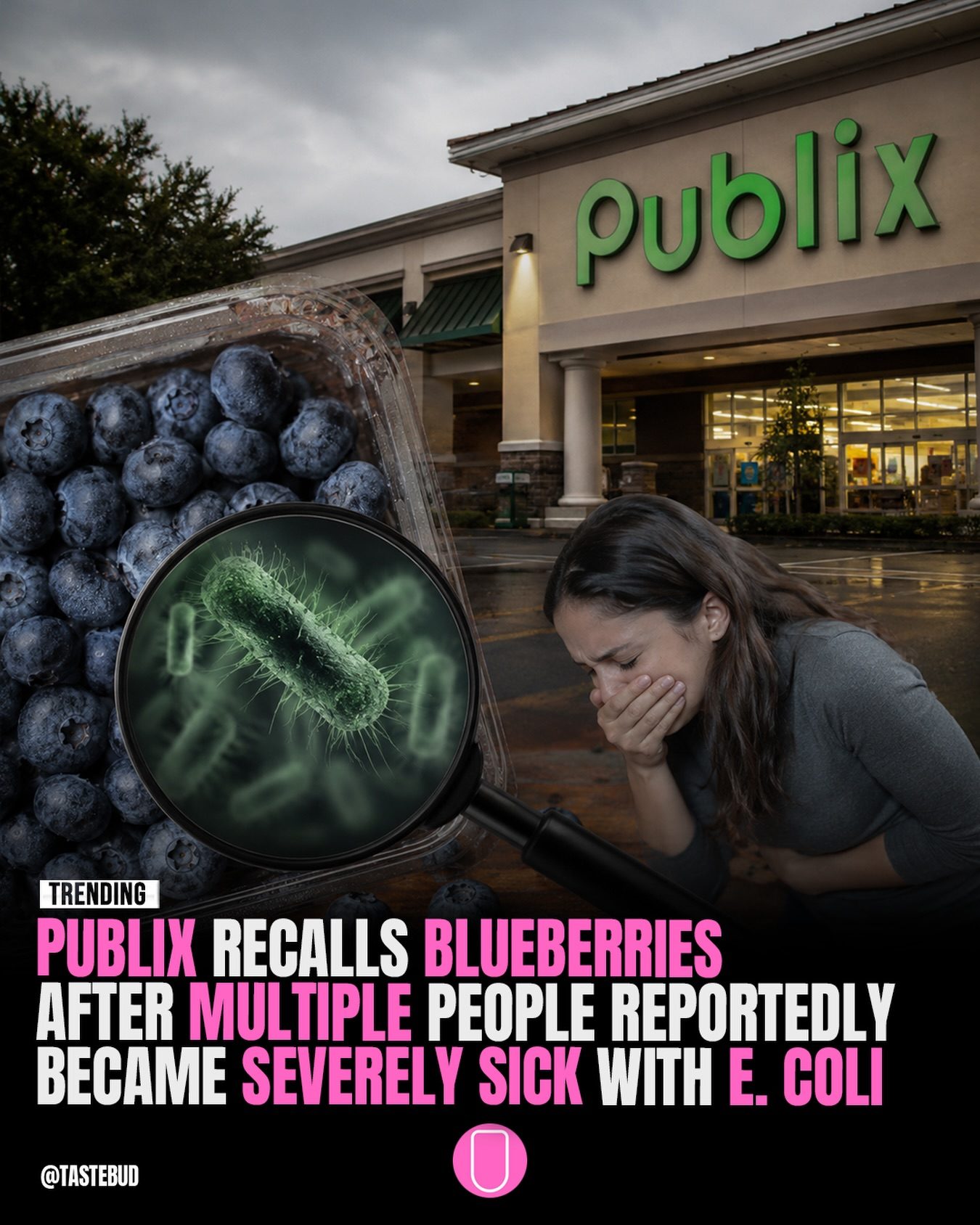
Publix Blueberry Recall
Publix has recalled specific batches of their blueberries due to multiple reports of E. coli illness. This recall affects consumers across multiple U.S. states, and it's crucial to understand the implications and necessary actions.
Why This Matters
Food recalls, especially those involving fresh produce like blueberries, can have significant health implications. E. coli is a type of bacteria that can cause severe foodborne illness, leading to symptoms like abdominal pain, diarrhea, and in some cases, more serious complications. The Publix blueberry recall underscores the importance of vigilance in food safety and the role of public health officials in protecting consumers.
Understanding the Recall
What is E. Coli?
E. coli, short for Escherichia coli, is a type of bacteria commonly found in the intestines of humans and animals. While most strains are harmless, certain types can produce toxins that cause illness. The strain involved in the Publix recall is a Shiga toxin-producing variant, which can lead to severe gastrointestinal distress and, in some cases, kidney failure.
The Publix Recall: Details and Impact
Publix, a large supermarket chain, has announced a recall of certain blueberries following reports of multiple consumers falling ill with E. coli. The affected batches have been distributed across several U.S. states, making it essential for consumers to check their purchases and ensure they are not consuming the recalled product.
Health Risks and Symptoms
E. coli infection can result in a range of symptoms, from mild to severe. Common symptoms include:
- Severe abdominal cramps
- Diarrhea, often bloody
- Vomiting
- Fever
In more severe cases, especially in young children, the elderly, and those with compromised immune systems, E. coli can lead to hemolytic uremic syndrome (HUS). HUS is a serious condition that affects the kidneys and can be life-threatening. Symptoms of HUS include:
- Decreased urine output
- Abnormal bruising or bleeding
- Pale skin
- Fatigue
- Irritability
Practical Tips
How to Check if Your Blueberries Are Affected
If you have recently purchased blueberries, especially from a Publix store, follow these steps to ensure your safety:
-
Check the Recall Notice: Official recall notices often list specific batch numbers, sell-by dates, or UPC codes. Check the Publix website or contact their customer service for detailed information.
-
Inspect the Packaging: Look for any signs of contamination or unusual appearance, such as discoloration or a foul odor.
-
Avoid Consumption if Uncertain: If you are unsure whether your blueberries are affected, it is best to discard them to avoid any risk of illness.
Safe Handling and Storage of Blueberries
To minimize the risk of foodborne illness, follow these best practices for handling and storing blueberries:
-
Wash Thoroughly: Always wash fresh produce before consumption. Rinse blueberries under cold running water and gently pat them dry.
-
Store Properly: Keep blueberries in the refrigerator at a temperature below 40°F (4°C). Store them in a clean, airtight container to maintain freshness and prevent contamination.
-
Avoid Cross-Contamination: Use separate cutting boards and utensils for fresh produce to prevent cross-contamination with raw meats and other high-risk foods.
Important Takeaways
- Stay Informed: Regularly check updates from food safety organizations and recalls from trusted retailers.
- Act Promptly: If you suspect your blueberries are part of the recalled batch, do not consume them and follow the proper disposal guidelines.
- Report Symptoms: If you experience symptoms of E. coli infection, seek medical attention promptly. Report your illness to local health authorities to help in tracking and controlling outbreaks.
Consumers play a vital role in ensuring food safety. By staying informed and taking necessary precautions, you can protect yourself and your family from potential health risks.
Conclusion
The Publix blueberry recall is a reminder of the constant vigilance required in ensuring food safety. By understanding the risks associated with E. coli and taking proactive steps, consumers can safeguard their health. Always check for recall notices, handle and store fresh produce properly, and report any symptoms of illness to health authorities. Stay informed and stay safe.
Watch the Reel
Questions readers ask
Which specific blueberry batches are affected by the Publix recall?
The recall involves specific batches of blueberries sold at Publix stores. To determine if your blueberries are affected, check the packaging for the batch numbers and expiration dates listed in the recall notice. If your blueberries match the recalled batches, do not consume them.
What should I do if I have consumed the recalled blueberries?
If you have consumed the recalled blueberries and are experiencing symptoms such as abdominal pain, diarrhea, or vomiting, seek medical attention immediately. Even if you are not experiencing symptoms, monitor your health closely for any signs of illness and consult a healthcare provider if necessary.
How can I stay informed about food recalls like the Publix blueberry recall?
To stay informed, regularly check the Publix website and sign up for food recall alerts. Additionally, follow trusted news sources and public health agency updates for the latest information on food recalls and safety alerts.
What are the symptoms of E. coli foodborne illness?
Symptoms of E. coli foodborne illness typically include abdominal pain, diarrhea, and sometimes vomiting. In severe cases, it can lead to more serious complications, especially in vulnerable populations such as young children, the elderly, and those with weakened immune systems.
What steps should I take if I find recalled blueberries in my home?
If you find recalled blueberries in your home, do not consume them. Dispose of the blueberries safely, ensuring they are sealed in a bag before placing them in the trash. Additionally, thoroughly wash any surfaces or containers that the blueberries may have come into contact with to prevent cross-contamination.
Related deep dives
Similar reads based on topic and creator.



Recent articles
Fresh deep dives from the latest Reels we unpacked.




Comments
Be the first to comment.