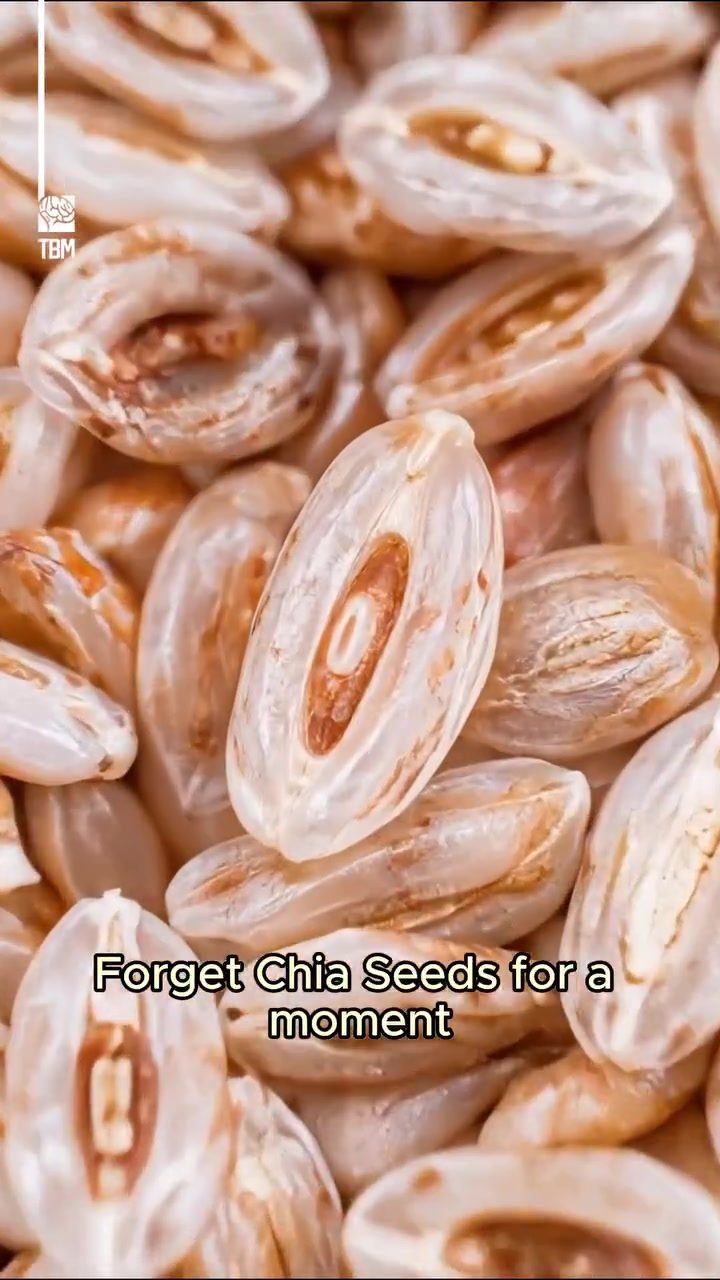
Chia Seeds: A Rich Source of Nutrients
Chia seeds are a popular superfood, known for their ability to absorb water and form a gel. This unique property is often compared to that of psyllium husk, but there are key differences between the two. While chia seeds provide a range of nutrients, psyllium husk is almost pure soluble fiber, making it a more concentrated choice for digestive health and cholesterol support.
Why This Matters
Both chia seeds and psyllium husk are rich in soluble fiber, which is crucial for maintaining a healthy digestive system. Soluble fiber helps to soften hard stools and add bulk to loose stools, promoting regular bowel movements. This can be particularly beneficial for those who struggle with digestive issues.
Digging Deeper
Chia Seeds vs. Psyllium Husk
Psyllium husk comes from the seeds of the Plantago ovata plant and is one of the most researched natural sources of soluble fiber. When mixed with water, it forms a thick gel that supports digestive health, feeds beneficial gut bacteria, and may help improve cholesterol and blood sugar control. Psyllium husk is often compared to chia seeds because they both absorb water and form a gel. However, they serve different purposes.
Chia seeds provide a comprehensive nutritional profile, including fiber, healthy fats, protein, and minerals. While they do absorb water and form a gel, they are not as concentrated in soluble fiber as psyllium husk. This means that chia seeds offer a broader range of benefits, but they may not be as effective for specific digestive health issues as psyllium husk.
Beneficial Effects on Digestion
One of the most notable benefits of psyllium husk is its ability to support digestive health. When mixed with water, psyllium husk forms a thick gel that helps soften hard stools and add bulk to loose stools. This can help promote regular bowel movements and contribute to a healthier digestive system. Additionally, the soluble fiber in psyllium husk feeds beneficial gut bacteria, further supporting overall digestive health.
Beyond Digestion
The benefits of psyllium husk go beyond digestion. It has been shown to help lower LDL, or "bad" cholesterol, by reducing its absorption in the gut. This can be particularly beneficial for those looking to improve their cholesterol levels. Psyllium husk can also slow the absorption of carbohydrates, helping to reduce the rise in blood sugar after meals. This can be beneficial for those with diabetes or those looking to manage their blood sugar levels.
Practical Tips
If you're considering adding psyllium husk to your diet, it's important to do so safely. Psyllium husk should always be taken with plenty of water, as it can reduce the absorption of some medications. It's also a good idea to take psyllium husk at least one to two hours before or after taking any medications. If you're new to psyllium husk, start with a small dose and gradually increase it as your body adapts. This can help prevent any potential digestive discomfort.
Integrating Chia Seeds Into Your Diet
Chia seeds are a versatile ingredient that can be easily incorporated into a variety of dishes. You can add them to smoothies, oatmeal, or baked goods, or use them as a topping for salads and yogurt. The gel-like texture they form when mixed with water can also be used as a thickening agent in recipes.
Important Takeaways
- Psyllium husk and chia seeds both absorb water and form a gel, but they have different nutritional profiles and benefits.
- Psyllium husk is a more concentrated source of soluble fiber, making it a more effective choice for digestive health and cholesterol support.
- Chia seeds offer a broader range of nutrients, including fiber, healthy fats, protein, and minerals.
- When using psyllium husk, always take it with plenty of water and avoid taking it at the same time as medications.
- Incorporating chia seeds into your diet can provide a range of health benefits, from improved digestion to better heart health.
Conclusion
Chia seeds and psyllium husk are both valuable additions to a healthy diet, but they offer different benefits. While chia seeds provide a broader range of nutrients, psyllium husk is a more concentrated source of soluble fiber, making it a more effective choice for specific digestive health and cholesterol support. By understanding the differences between these two superfoods, you can make informed decisions about how to incorporate them into your diet.
Watch the Reel
Questions readers ask
What is the primary difference between psyllium husk and chia seeds?
Psyllium husk is almost pure soluble fiber, while chia seeds offer a broader range of nutrients. Chia seeds provide essential minerals like calcium and magnesium, along with protein and healthy fats. Psyllium husk, on the other hand, is more concentrated in fiber, making it a potent choice for digestive health and cholesterol support.
How do chia seeds and psyllium husk affect digestion differently?
Both chia seeds and psyllium husk promote digestive health, but their mechanisms differ. Chia seeds absorb water and form a gel, which can slow digestion and help with nutrient absorption. Psyllium husk, with its high concentration of soluble fiber, adds bulk to the stool and softens hard stools, promoting regular bowel movements.
Which is better for cholesterol support, chia seeds or psyllium husk?
Psyllium husk is generally considered more effective for cholesterol support due to its high concentration of soluble fiber. This type of fiber can help lower LDL (bad) cholesterol levels by binding to cholesterol in the digestive system and preventing it from being absorbed into the bloodstream.
Can chia seeds and psyllium husk be used together for better health benefits?
Yes, chia seeds and psyllium husk can be used together to maximize health benefits. They offer complementary advantages: chia seeds provide a range of nutrients, while psyllium husk is a concentrated source of fiber. This combination can support overall health and digestion.
How should chia seeds and psyllium husk be incorporated into a daily diet?
Chia seeds can be soaked in water or added to smoothies, oatmeal, or baked goods. Psyllium husk can be mixed into water or juice to form a drink, or incorporated into baked goods. Always start with a small amount and gradually increase to allow your body to adjust to the increased fiber intake.
Which is the most researched fiber for digestive health, psyllium husk or chia seeds?
Psyllium husk, specifically the plantago ovata species, has been more extensively researched for its effects on digestive health. Its high soluble fiber content has been shown to promote regular bowel movements and support overall digestive well-being.
Related deep dives
Similar reads based on topic and creator.

Recent articles
Fresh deep dives from the latest Reels we unpacked.




Comments
Be the first to comment.