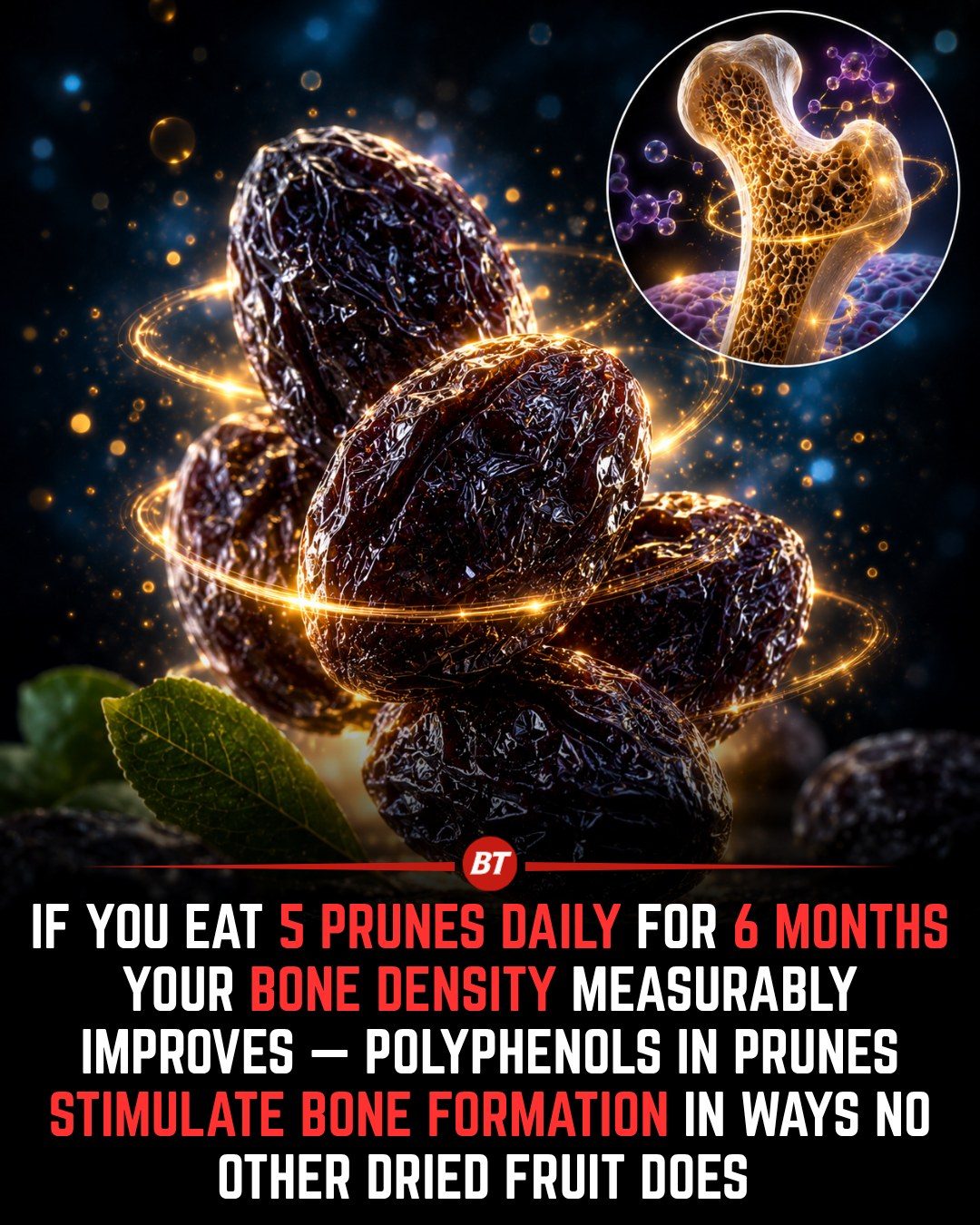
Prunes and Bone Health
Prunes are more than just a tasty dried fruit; they are packed with nutrients that support bone health. Unlike many other dried fruits, prunes are rich in polyphenols, vitamin K, boron, potassium, and fiber. These nutrients work together to maintain healthy bones, making prunes a valuable addition to a balanced diet.
Why this Matters
Bone health is a critical aspect of overall wellness, especially as we age. Osteoporosis and other bone-related conditions can significantly impact quality of life. Incorporating prunes into your diet can be a natural and effective way to support bone density and reduce the risk of age-related bone loss.
The Benefits of Prunes
Polyphenols and Bone Formation
Prunes contain unique polyphenols that stimulate bone formation. These compounds help reduce oxidative stress and inflammation, which are key factors in age-related bone loss. Clinical trials have shown that consuming 5-10 prunes daily for several months can measurably improve bone density.
Clinical Evidence
Several clinical studies have highlighted the benefits of prunes for bone health. A 2023 review published in the journal Nutrients concluded that prunes show promising potential as a whole food for supporting bone health. The studies found that adults, particularly postmenopausal women, who regularly consumed prunes experienced better preservation of bone mineral density compared to those who did not.
Nutrient Profile
Prunes offer a unique combination of nutrients that are essential for bone health. These include:
- Vitamin K: Plays a crucial role in bone metabolism and helps to improve bone density.
- Boron: Aids in the metabolism of calcium, magnesium, and phosphorus, which are essential for bone health.
- Potassium: Helps to regulate the body's pH levels, which can affect bone health.
- Fiber: Supports overall gut health, which is linked to better nutrient absorption and overall bone health.
How to Incorporate Prunes into Your Diet
Simple Snacking
Enjoy 5–6 prunes as a snack throughout the day. Their natural sweetness makes them a satisfying treat.
Breakfast Boost
Chop prunes into your morning oatmeal or blend them into a smoothie for an extra boost of nutrients.
Salads and Trailmix
Add prunes to your favorite salads for a chewy texture and a hint of sweetness. Or, toss them into your homemade trail mix for a nutritious snack.
Pairing with Protein
Pair prunes with Greek yogurt or a handful of almonds to combine their bone-supporting polyphenols with additional protein and calcium.
Practical Tips
Portion Control
Aim for 5-10 prunes per day to see the bone health benefits. This is a small but potent addition to your daily diet.
Variety in Diet
Remember, while prunes are beneficial, a balanced diet is key. Ensure you're getting adequate calcium, vitamin D, protein, and magnesium for comprehensive bone health.
Regular Exercise
Combine your prune intake with regular weight-bearing exercises like walking, jogging, or strength training to further support your bone health.
Important Takeaways
- Polyphenols: Prunes contain unique polyphenols that stimulate bone formation and reduce oxidative stress.
- Clinical Support: Studies show that regular consumption of prunes can improve bone density, especially in postmenopausal women.
- Nutrient Density: Prunes offer a rich combination of nutrients essential for bone health, including vitamin K, boron, potassium, and fiber.
- Versatile Inclusion: Prunes can be easily incorporated into various meals and snacks, making them a convenient addition to your diet.
Conclusion
Prunes are a powerful ally in maintaining bone health. Their unique combination of polyphenols and essential nutrients makes them an excellent choice for supporting bone density. Incorporating prunes into your daily routine can be a delicious and effective way to promote bone health naturally. Whether enjoyed as a snack, added to meals, or paired with other nutritious foods, prunes offer a simple and tasty path to stronger, healthier bones.
Watch the Reel
Questions readers ask
How do prunes support bone health?
Prunes support bone health by providing a rich source of nutrients such as vitamin K and minerals like boron and potassium. These nutrients help maintain bone density and reduce the risk of age-related bone loss, making prunes a beneficial addition to your diet. Additionally, the unique polyphenols in prunes play a role in stimulating bone formation.
What makes prunes different from other dried fruits for bone health?
Prunes stand out due to their high content of polyphenols, a nutrient not typically found in high concentrations in other dried fruits. These polyphenols, along with key vitamins and minerals, contribute to their bone-health benefits, making prunes a superior choice for supporting bone health.
How many servings of prunes should I consume daily to boost bone health?
There's no strict guideline to follow but for bone health, you can follow the recommendation from the California Dried Plum Board. They suggest consuming 5-6 prunes per day for general health. Prunes should be enjoyed in moderation as part of a balanced diet.
What are the benefits of polyphenols in prunes for bone health?
Polyphenols in prunes stimulate bone formation and inhibit bone breakdown. They work by promoting the activity of bone-building cells and reducing the activity of bone-resorbing cells, thereby helping to maintain bone density and strength.
Are there other nutrients in prunes that benefit bone health?
Yes, in addition to polyphenols, prunes are rich in vitamin K, which is essential for bone mineralization. They also contain potassium, which helps maintain overall bone health. The fiber in prunes aids in the absorption of these nutrients, enhancing their benefits.
Can prunes help reduce the risk of osteoporosis?
Incorporating prunes into your daily diet can help reduce the risk of osteoporosis. The combination of nutrients and polyphenols in prunes supports bone density maintenance and may slow down age-related bone loss, which is a key factor in preventing osteoporosis.
Related deep dives
Similar reads based on topic and creator.




Recent articles
Fresh deep dives from the latest Reels we unpacked.




Comments
Be the first to comment.