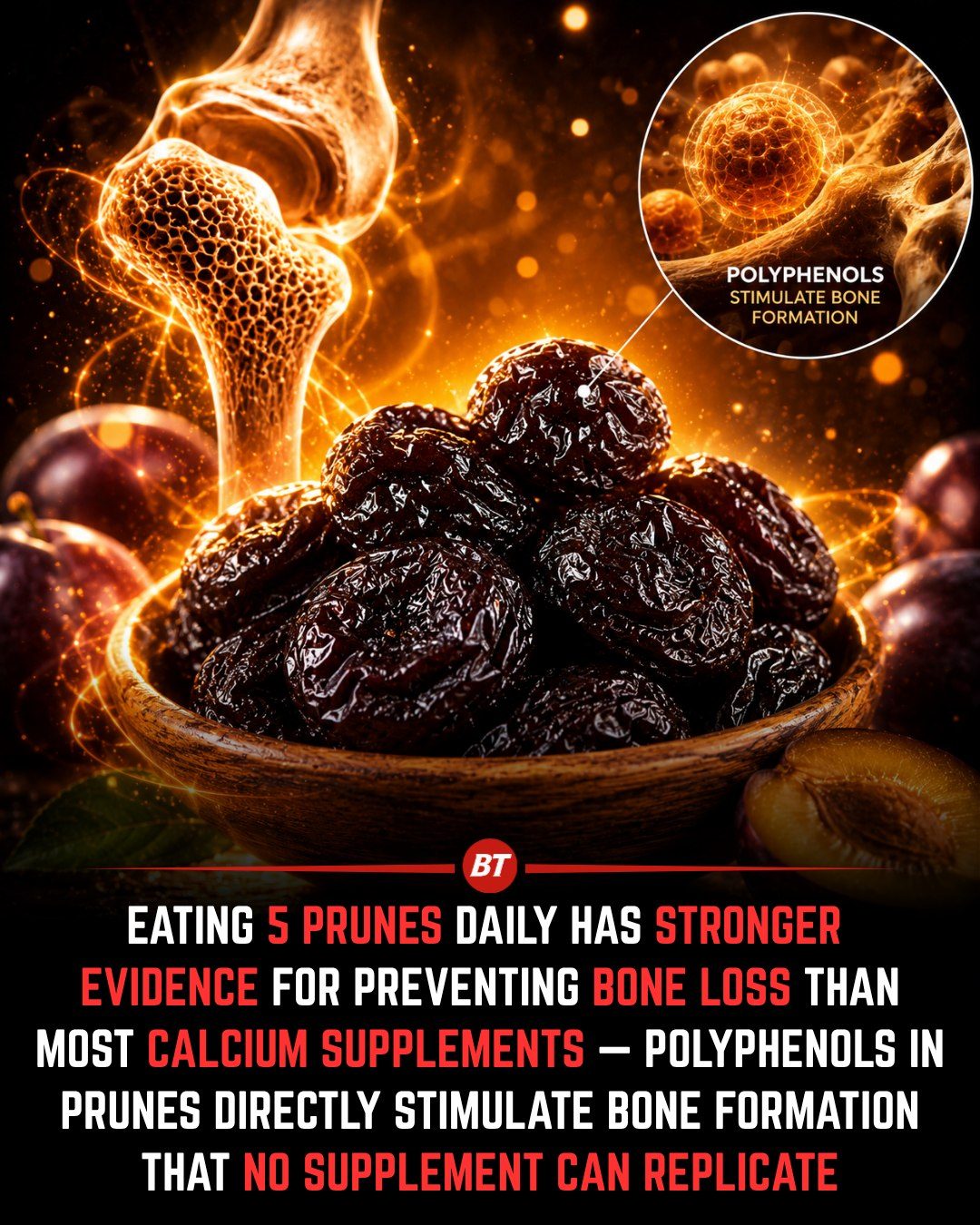
Prune Benefits for Bone Health
It's no secret that a balanced diet plays a crucial role in maintaining bone health. Recent research highlights the potential benefits of dried prunes in slowing age-related bone loss. This is particularly relevant for postmenopausal women, who are at a higher risk for bone density loss. The benefits of prunes extend beyond their calcium content, offering a unique combination of nutrients and polyphenols that support bone health.
Why This Matters
As we age, our bones undergo a constant remodeling process. Specialized cells called osteoclasts break down old bone tissue, while osteoblasts build new bone. Maintaining a healthy balance between these two processes is key to strong and resilient bones. While calcium is essential for bone formation, it's not the only factor at play. Prunes, rich in polyphenols, vitamin K, potassium, boron, and fiber, offer a comprehensive approach to supporting bone health.
Main Discussion
The Role of Polyphenols
Polyphenols are powerful antioxidants found in various plant-based foods, including prunes. These compounds are believed to help reduce oxidative stress and inflammation, creating an environment that supports normal bone remodeling. Several clinical trials have shown that consuming about 5–6 prunes daily can help maintain bone density, with particularly encouraging results for the hip and forearm. This is significant because these areas are often the first to show signs of age-related bone loss.
Comparison with Calcium Supplements
Unlike calcium supplements, which primarily provide the raw mineral needed for bone formation, prunes appear to influence the biology of bone remodeling itself. They contain a unique combination of nutrients and polyphenols that may directly stimulate bone formation and reduce the activity of bone-resorbing cells. This means that prunes may offer a more holistic approach to bone health, addressing not just the mineral content but the overall cellular processes involved in bone maintenance.
The Science Behind Prunes
Researchers are still uncovering the exact mechanisms by which prunes support bone health. However, the evidence continues to grow. Several studies have found that prunes can help slow age-related bone loss, particularly in postmenopausal women. This is likely due to their ability to reduce oxidative stress and inflammation, which are known to contribute to bone degradation over time.
Beyond Calcium
While calcium is essential for bone health, it's just one piece of the puzzle. Prunes offer a range of nutrients that work together to support bone health. Vitamin K, for example, plays a crucial role in bone metabolism and may help improve bone density. Potassium and boron are also important for bone health, as they help regulate bone mineral density and reduce the risk of fractures.
Practical Tips
Incorporating Prunes into Your Diet
Enjoying 5–6 prunes daily can be a simple and delicious way to support bone health. Here are a few ideas on how to incorporate them into your diet:
- Snack Time: Prunes are a convenient and portable snack. Keep a small bag of prunes with you for a quick and healthy pick-me-up.
- Breakfast: Chop prunes into oatmeal, yogurt, or cereal for added flavor and nutrition.
- Salads and Desserts: Add prunes to salads for a tangy twist or use them as a natural sweetener in baked goods.
Combining with Other Healthy Habits
Strong bones are built through a combination of adequate nutrition, regular weight-bearing exercise, and healthy lifestyle habits. While prunes can be a valuable addition to a bone-healthy diet, they should not replace other essential nutrients like calcium and vitamin D. Regular weight-bearing exercises, such as walking, running, or strength training, are also important for maintaining bone density and strength.
Important Takeaways
- Prunes are a rich source of polyphenols, vitamin K, potassium, boron, and fiber, all of which support bone health.
- Consuming 5–6 prunes daily can help maintain bone density, particularly in the hip and forearm.
- Prunes offer benefits beyond calcium, influencing the biology of bone remodeling.
- Combining prunes with other bone-healthy habits, such as regular exercise and a balanced diet, can provide comprehensive support for bone health.
Conclusion
Dried prunes offer a natural and delicious way to support bone health, particularly for those at risk of age-related bone loss. By incorporating prunes into your daily diet, you can benefit from their unique combination of nutrients and polyphenols, which work together to reduce oxidative stress, inflammation, and promote bone formation. Whether enjoyed as a snack or added to your favorite recipes, prunes can be a valuable addition to a bone-healthy lifestyle.
Watch the Reel
Questions readers ask
How many prunes should I consume daily to support bone health?
Consuming about 5-6 prunes daily has been shown in research to help maintain bone density, particularly in postmenopausal women. This amount provides a good balance of the necessary nutrients and polyphenols.
What makes prunes effective for maintaining bone health?
Prunes contain a unique combination of polyphenols, vitamin K, and other nutrients that work together to slow bone loss. These components support bone formation and help maintain bone density better than calcium alone.
Can prunes benefit men as well, or are they only helpful for postmenopausal women?
While research highlights the benefits for postmenopausal women, the nutrients and polyphenols in prunes can support bone health for anyone. Men can also benefit from including prunes in their diet for overall bone strength.
What role do polyphenols in prunes play in bone health?
Polyphenols in prunes contribute to their bone-health benefits by helping to slow the breakdown of bone tissue, which is particularly important for those at risk of bone density loss, such as postmenopausal women.
How do prunes compare to calcium supplements for bone health?
Prunes offer a more comprehensive approach to bone health compared to calcium supplements. While calcium is essential, prunes provide additional nutrients and polyphenols that support bone formation and help maintain bone density more effectively.
Can eating prunes help prevent osteoporosis?
Daily consumption of prunes can help slow bone loss, which is a key factor in preventing osteoporosis. By maintaining bone density, prunes contribute to overall bone strength and resilience, reducing the risk of osteoporosis and related fractures.
Are there other natural remedies that can support bone health when combined with prunes?
In addition to prunes, other natural remedies for bone health include weight-bearing exercises, adequate vitamin D intake, and consuming a balanced diet rich in fruits, vegetables, and lean proteins. These factors combined can substantially support bone health and density.
Related deep dives
Similar reads based on topic and creator.



Recent articles
Fresh deep dives from the latest Reels we unpacked.




Comments
Be the first to comment.