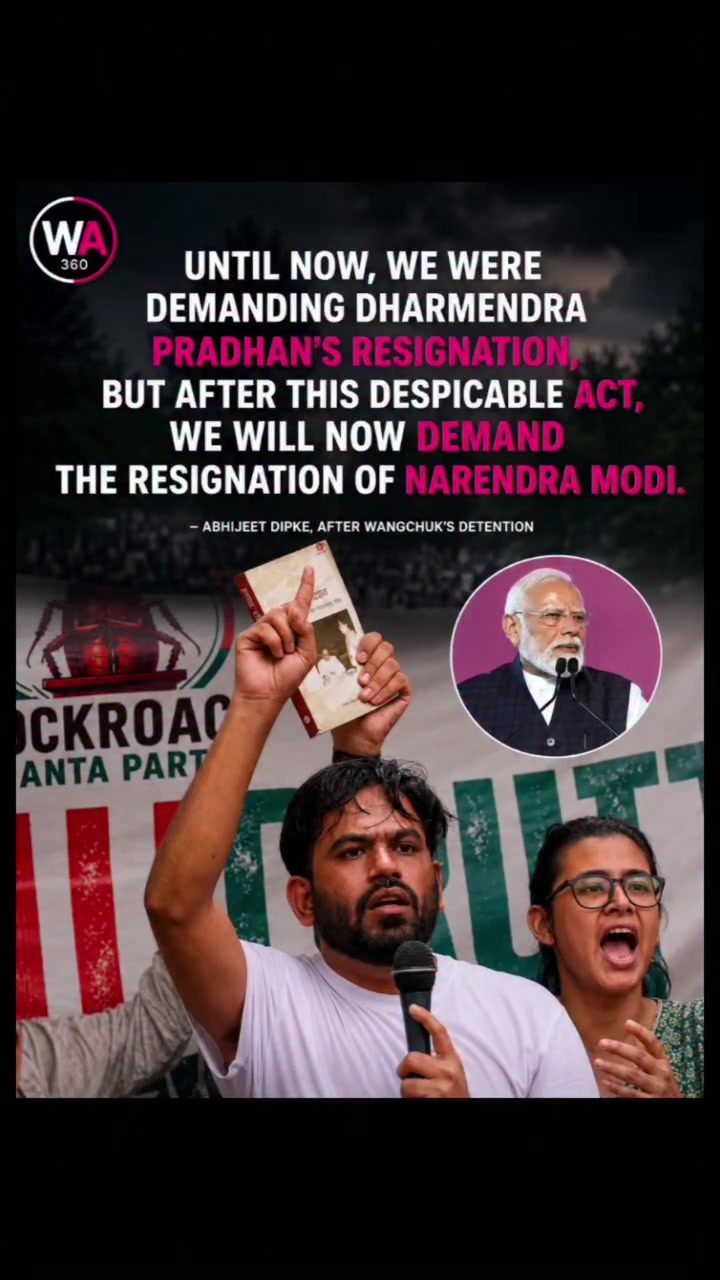
Political Storm Intensifies: Escalating Resignation Demands
The political landscape in India is witnessing a dramatic shift as the demand for political resignations escalates, capturing national attention and sparking intense public debate. The movement, which initially targeted Dharmendra Pradhan, has now expanded to include the highest political office, with calls for the resignation of Narendra Modi. The protest, led by Abhijeeet Dipke, highlights the growing intensity of political discourse and the public's demand for accountability and governance.
Context / Why this matters
Political protests and demands for resignations are not uncommon in India, but the recent escalation to target the highest political office marks a significant turn in the ongoing political debate. The public's growing dissatisfaction with governance and calls for accountability underscore the need for transparent and effective political leadership.
Understanding the context of these demands is crucial. The protest began with calls for the resignation of Dharmendra Pradhan, a prominent political figure. Following the detention of Wangchuk, the protest intensified, with Dipke and his supporters now demanding the resignation of Narendra Modi. This escalation reflects the public's frustration with current governance and raises questions about the future direction of the political movement.
Main discussion
The Escalation of Demands
The initial calls for Dharmendra Pradhan's resignation highlighted specific grievances and public dissatisfaction. However, following Wangchuk's detention, the protest evolved into a broader movement. Dipke's statement, which included the phrase "despicable act," underscores the public's outrage and the perceived severity of the situation. The demand for Modi's resignation signals a significant escalation, as it directly targets the highest political office in the country. The visual imagery, including a portrait of Narendra Modi and a crowd of demonstrators, emphasizes the intensity and scale of the protest.
Public Reaction and Political Discourse
The intensification of the protest has sparked widespread discussion across social media and political circles. Supporters of the movement view it as a legitimate expression of democratic dissent, while critics may see it as a controversial political strategy. Regardless of the perspective, the development has undeniably captured national attention, highlighting the growing intensity of political discourse in the country.
The Role of Social Media
Social media platforms have played a pivotal role in amplifying the protest and spreading the demands for resignation. Hashtags like #IndianPolitics, #BreakingNews, and #PoliticalDebate have trended widely, reflecting the public's engagement and interest in the unfolding events. Social media has become a critical tool for disseminating information, mobilizing support, and keeping the public informed about the latest developments.
The Future Direction of the Movement
As the movement continues to unfold, it raises questions about the future direction and potential outcomes. Will the demands for resignation be met? How will the political discussions evolve? What impact will this have on governance and accountability in the country?
Practical tips
Staying Informed
In moments like these, staying informed and following verified updates is crucial. It's essential to examine multiple perspectives and understand the broader context of the protest. Verify information from reliable sources to ensure accuracy and avoid misinformation. Stay informed by reading reports from credible news outlets, engaging in discussions on social media, and following updates from trusted individuals.
Engaging in Discussions
Engaging in discussions about the protest, its demands, and the broader implications can provide a deeper understanding of the issues at hand. Participate in constructive dialogues, respect different viewpoints, and contribute to the conversation with well-researched information. Engagement fosters a more informed public and encourages critical thinking about governance and accountability.
Staying Organized
If you support or are involved in the movement, staying organized is key. Utilize social media platforms to keep track of events, coordinate with other supporters, and amplify the protest's reach. Organize rallies, create petitions, and leverage digital tools to mobilize support effectively.
Important takeaways
The intensification of the protest and the escalating demands for resignation highlight key takeaways about the current state of political discourse in India. The public's growing dissatisfaction with governance and the demand for accountability are central to the movement. The role of social media in amplifying the protest and keeping the public informed is also significant. Additionally, the future direction and potential outcomes of the movement are crucial considerations as the situation continues to unfold.
Conclusion
The recent escalation of resignation demands in India's political landscape reflects a growing public sentiment for accountability and governance. From calls for Dharmendra Pradhan's resignation to the demand for Narendra Modi's resignation, the movement underscores the intensity of political discourse. Staying informed, engaging in discussions, and leveraging social media are essential steps in navigating this evolving political situation. As the movement continues, keeping track of developments and understanding the broader context will be crucial.
Watch the Reel
Questions readers ask
Who is leading the protests demanding Narendra Modi's resignation?
The protests are being led by Abhijeeet Dipke, who has been vocal about the need for greater governance and accountability in India.
What prompted the escalation of protests to demand Narendra Modi's resignation?
The movement initially targeted Dharmendra Pradhan but expanded to include the Prime Minister's office as public dissatisfaction with governance grew.
What are the main causes behind the public dissatisfaction leading to resignation demands?
The public dissatisfaction stems from various governance issues, including the demand for greater transparency and accountability in political decisions and actions.
How have the protests impacted the political landscape in India?
The protests have sparked intense public debate and captured national attention, marking a significant shift in India's political discourse. They have also highlighted the growing intensity of political tensions in the country.
What is the significance of targeting the Prime Minister's office in these protests?
Targeting the Prime Minister's office is a dramatic turn in the political unrest, as it escalates the demands from lower-ranking officials to the highest political figure in the nation.
What are the protesters hoping to achieve by demanding Narendra Modi's resignation?
The protesters aim to bring about greater accountability and transparency in governance by demanding the resignation of Narendra Modi, who they believe has not met the public's expectations.
How have the protests evolved over time in their demands?
The protests have evolved from initially targeting specific ministers to now demanding the resignation of the Prime Minister, reflecting a broadening and intensifying of public dissatisfaction with the current administration.
Recent articles
Fresh deep dives from the latest Reels we unpacked.




Comments
Be the first to comment.