Protein Intake: Why It Matters and How to Optimize It
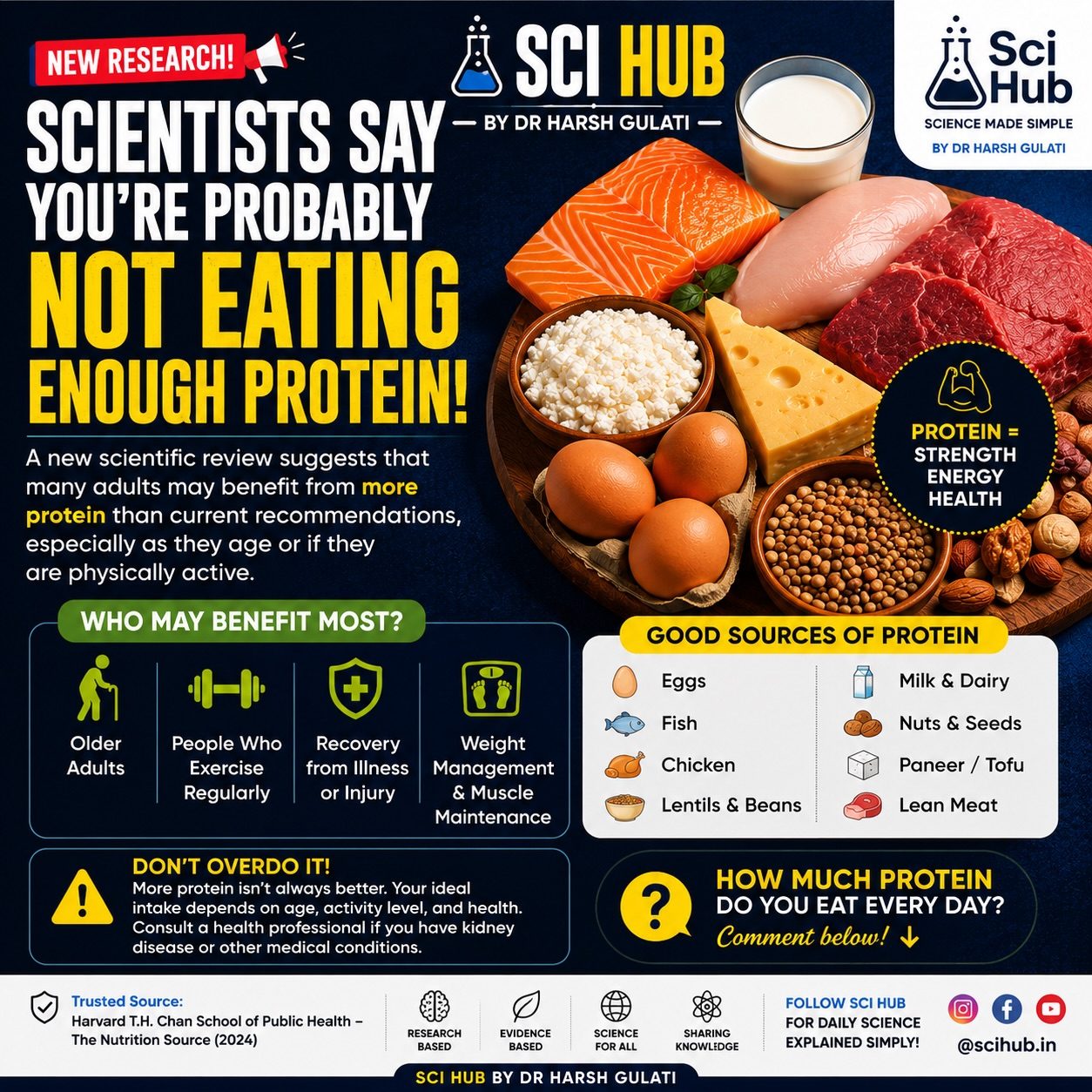
Protein is a crucial component of a healthy diet, playing a vital role in maintaining muscle, supporting recovery, and promoting overall health. Recent research suggests that many adults, particularly older adults and those who engage in regular physical activity, may benefit from consuming more protein than the current minimum recommendations. This article delves into the importance of adequate protein intake, who may benefit from increased consumption, and how to incorporate protein-rich foods into your diet effectively.
Why This Matters
Protein is essential for various bodily functions, including muscle repair, immune function, and hormone regulation. As we age or increase our physical activity, our protein needs also increase. Therefore, ensuring adequate protein intake is crucial for maintaining overall health and well-being. Moreover, protein can aid in weight management and recovery from illness, making it a vital nutrient for people of all ages and activity levels.
Understanding Protein Needs
Current Recommendations
Current dietary guidelines typically recommend that adults consume around 0.8 grams of protein per kilogram of body weight per day. However, new scientific reviews suggest that many adults may benefit from consuming more protein, especially those who are older, physically active, or recovering from illness.
Factors Affecting Protein Needs
Several factors influence an individual's protein requirements, including age, activity level, and overall health. For instance, older adults may need more protein to maintain muscle mass and strength, while physically active individuals require additional protein to support muscle recovery and growth. Additionally, people recovering from illness or injury may benefit from increased protein intake to aid in healing and recovery.
The Risks of Overconsumption
While increasing protein intake can be beneficial, it's essential to remember that more isn't always better. Consuming excessive amounts of protein can lead to potential health risks, such as kidney strain, dehydration, and even weight gain if the excess protein is stored as fat. Therefore, it's crucial to choose an appropriate protein intake based on individual needs and consult a healthcare professional or registered dietitian for personalized advice.
Good Sources of Protein
Incorporating a variety of protein-rich foods into your diet can help ensure you meet your daily requirements. Some excellent sources of protein include:
Animal-Based Proteins
- Eggs: A versatile and affordable protein source, eggs are high in quality protein and contain various essential nutrients, such as vitamin D, choline, and selenium.
- Milk and Dairy: Dairy products like milk, cheese, and yogurt are excellent protein sources and provide essential nutrients like calcium and vitamin D. Opt for low-fat or non-fat dairy products to limit saturated fat intake.
- Lean Meat: Lean cuts of meat, such as chicken breast, turkey, and lean beef, are high in protein and essential nutrients like iron and zinc. Choose leaner cuts and limit processed meats to reduce saturated fat and sodium intake.
- Fish and Seafood: Fish and seafood are excellent protein sources and provide heart-healthy omega-3 fatty acids. Aim for at least two servings of fish per week, choosing a variety of types to maximize nutrient intake.
Plant-Based Proteins
- Lentils and Beans: Legumes like lentils, chickpeas, and beans are high in protein and fiber, making them an excellent choice for plant-based diets. They are also versatile and can be incorporated into various dishes, from soups and stews to salads and wraps.
- Nuts and Seeds: Nuts and seeds are nutrient-dense protein sources that provide healthy fats, fiber, and various vitamins and minerals. Incorporate them into your diet as snacks, toppings, or additions to smoothies and baked goods.
- Paneer and Tofu: These soy-based proteins are versatile and can be used in various dishes, from curries and stir-fries to sandwiches and salads. They are also an excellent source of calcium, making them a popular choice for vegetarians and vegans.
Practical Tips for Optimizing Protein Intake
Plan Your Meals
Incorporating protein-rich foods into your meals and snacks can help ensure you meet your daily requirements. Aim to include a source of protein in every meal and snack, such as adding Greek yogurt to your morning smoothie or topping your salad with grilled chicken or tofu. Planning your meals in advance can help you stay on track and make healthier choices throughout the day.
Stay Hydrated
Adequate hydration is essential for optimal protein digestion and absorption. Drink plenty of water throughout the day, and consider incorporating hydrating foods like fruits and vegetables into your meals and snacks to support overall health and protein utilization.
Monitor Your Intake
Tracking your protein intake can help you ensure you're meeting your daily requirements and making appropriate adjustments as needed. Use a food journal or mobile app to log your meals and snacks, and consult a registered dietitian or healthcare professional for personalized advice and guidance.
Choose High-Quality Protein Sources
Opt for lean protein sources, such as poultry, fish, and plant-based proteins, to maximize nutrient intake and minimize potential health risks. Limit processed meats and opt for whole, unprocessed foods to support overall health and well-being.
Consider Protein Supplements
While whole food sources of protein are generally the best choice, protein supplements like whey, casein, or plant-based proteins can be convenient options for those with busy schedules or specific dietary needs. Consult a healthcare professional or registered dietitian before incorporating protein supplements into your diet to ensure they are appropriate and safe for your individual needs.
Important Takeaways
Protein is a crucial component of a healthy diet, playing a vital role in maintaining muscle, supporting recovery, and promoting overall health. Recent research suggests that many adults may benefit from consuming more protein than current recommendations, particularly older adults, physically active individuals, and those recovering from illness. Incorporating a variety of protein-rich foods into your diet can help you meet your daily requirements and support overall health and well-being.
Remember that more protein isn't always better, and it's essential to choose an appropriate intake based on individual needs. Consult a healthcare professional or registered dietitian for personalized advice and guidance on optimizing your protein intake.
Conclusion
Protein is a vital nutrient that plays a crucial role in maintaining muscle, supporting recovery, and promoting overall health. Recent research suggests that many adults may benefit from consuming more protein than current recommendations, particularly older adults, physically active individuals, and those recovering from illness. By incorporating a variety of protein-rich foods into your diet and choosing appropriate intake based on individual needs, you can support overall health and well-being. Always consult a healthcare professional or registered dietitian for personalized advice and guidance on optimizing your protein intake.
Watch the Reel
Questions readers ask
How much protein do I need daily?
Daily protein needs vary based on factors like age, weight, and activity level. The Recommended Dietary Allowance (RDA) is 0.8 grams per kilogram of body weight, but many experts suggest 1.2-2.0 grams per kilogram for older adults and physically active individuals.
Why is protein important for muscle repair and maintenance?
Protein is crucial for muscle repair and maintenance because it provides the essential amino acids needed to build and repair muscle tissues. This is especially important for active individuals and older adults to prevent muscle loss and support muscle growth.
Can a high protein diet help with weight management?
Yes, a high protein diet can aid in weight management by promoting feelings of fullness, boosting metabolism, and preserving lean muscle mass during weight loss. Including adequate protein in your meals can help control appetite and support a healthy body composition.
What are some of the best protein sources for overall health?
High-quality protein sources include lean meats, poultry, fish, eggs, dairy, legumes, nuts, and seeds. Plant-based proteins like tofu, tempeh, and quinoa are also excellent options. Incorporating a variety of these sources into your diet can help ensure you meet your protein needs while benefiting from diverse nutrients.
How does protein support immune function and recovery from illness?
Protein plays a vital role in supporting immune function by aiding in the production of antibodies, which help fight infections. Adequate protein intake is also crucial for recovery from illness, as it provides the building blocks needed to repair tissues and replenish the body's nutritional stores.
Why might older adults need more protein than younger adults?
Older adults may need more protein to combat age-related muscle loss, known as sarcopenia. Additionally, the body's ability to synthesize protein decreases with age, making it harder to efficiently use dietary protein. Consuming more protein can help older adults maintain muscle mass and overall health.
How can active individuals optimize their protein intake?
Active individuals should focus on consuming high-quality protein sources both before and after workouts to support muscle recovery and growth. Aim for 1.2-2.0 grams of protein per kilogram of body weight daily, and spread protein intake evenly throughout the day to maximize muscle protein synthesis.
Recent articles
Fresh deep dives from the latest Reels we unpacked.




Comments
Be the first to comment.