Hair Loss and Protein Deficiency
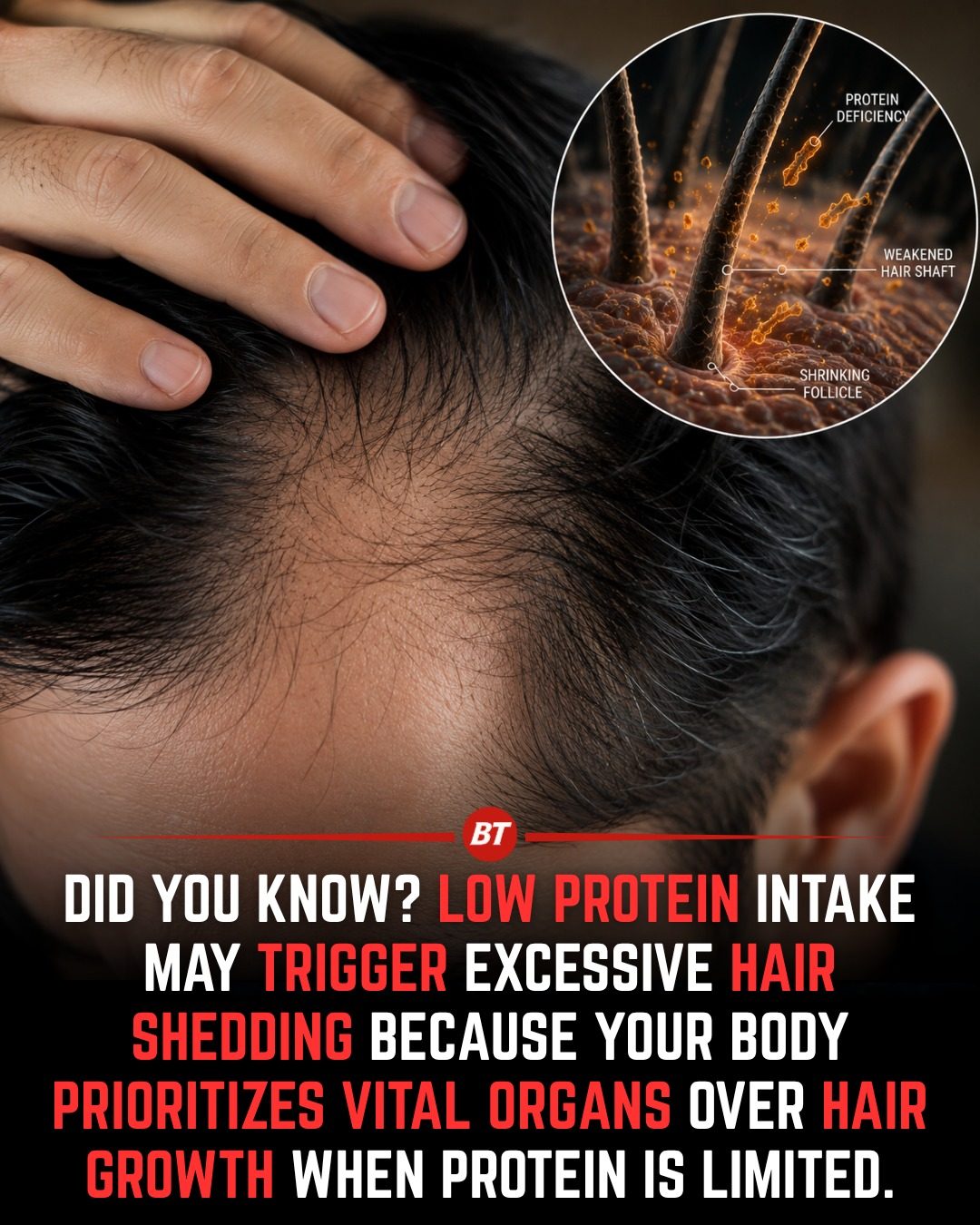
Hair loss can be a distressing experience, and while genetics and hormones often get the blame, another key factor is often overlooked: protein deficiency. The body needs a steady supply of protein to produce new hair, maintain healthy hair follicles, and prevent excessive shedding. This isn’t just about looking good – it’s about maintaining overall health. When there isn’t enough protein in the diet, the body prioritizes vital organs and structures, potentially leading to hair loss.
Context / Why This Matters
The relationship between hair health and protein intake is well-documented in dermatology circles. Excessive hair loss, especially when it occurs in a diffuse pattern, can be a symptom of protein malnutrition. This condition, known as telogen effluvium, happens when hair follicles enter a resting phase due to inadequate protein, causing increased shedding a few months later. Protein deficiency can also weaken the hair shaft, making it more prone to breakage. Given this connection, it’s essential to understand how protein supports hair health and what happens when it’s lacking.
Main Discussion
Hair Structure and Protein
Hair is primarily composed of keratin, a structural protein that gives it strength and durability. To produce new hair, the body relies on a steady supply of amino acids derived from dietary protein. Without this supply, hair follicles don’t receive the necessary materials for growth and maintenance. The body has to prioritize organs like the heart, brain, liver, and muscles over hair follicles, which can lead to a cycle of excessive shedding and weakened hair shafts.
Protein and Hair Growth Cycle
The hair growth cycle consists of three phases: anagen (growth), catagen (transition), and telogen (resting). Protein deficiency can significantly disrupt this cycle. When the body enters survival mode due to low protein intake, it conserves protein for vital organs, pushing hair follicles into a resting phase. This results in telogen effluvium, where follicles prematurely enter the telogen phase, leading to increased hair shedding a few months later. This cycle can repeat, causing chronic hair loss.
Factors Contributing to Hair Loss
While protein is crucial, it's not the sole factor in hair health. Other nutrients, such as iron, zinc, vitamin D, biotin, and vitamin B12, also play essential roles. Iron, for example, helps transport oxygen to hair follicles, while zinc supports hair tissue growth and repair. Vitamin D aids in hair follicle cycling, and biotin is necessary for cell growth and production of keratin. Additionally, overall calorie intake matters, as severe calorie restriction can lead to hair loss, even if protein intake is sufficient.
Practical Tips
To support healthy hair and prevent protein deficiency-related hair loss, consider the following tips:
Eating Protein-Rich Foods
Include a quality source of protein in every meal. This can be animal-based, such as eggs, fish, chicken, Greek yogurt, and lean meat, or plant-based, like beans, tofu, and lentils. Variety is key to ensuring a balanced intake of essential amino acids. Consistency is also important – aim for smaller, protein-rich meals and snacks throughout the day to maintain a steady supply of amino acids.
Monitoring Diet and Lifestyle
Pay attention to other dietary factors. Ensure you’re getting enough iron, zinc, and other essential vitamins and minerals. If you follow a restrictive diet or have specific dietary needs, consider consulting a healthcare professional or nutritionist to ensure you’re getting all the nutrients your body needs.
Addressing Underlying Issues
If you suspect that protein deficiency or another health condition is causing hair loss, it’s crucial to address the root cause. This might involve increasing protein intake, adjusting your overall diet, or seeking medical treatment for underlying conditions. If you experience sudden or severe hair loss, consult a healthcare provider for a thorough evaluation.
Important Takeaways
- Consistent protein intake is essential for maintaining healthy hair follicles and preventing excessive shedding.
- Protein deficiency can lead to weakened hair shafts, shrinking follicles, and increased shedding, a condition known as telogen effluvium.
- Other nutrients, such as iron, zinc, vitamin D, and biotin, also play crucial roles in hair health.
- Addressing protein deficiency and other underlying issues can help prevent and reverse hair loss.
Conclusion
Hair loss can be a complex issue with many potential causes, but one of the most overlooked factors is protein deficiency. Understanding the role of protein in hair health and ensuring a consistent, balanced intake of nutrients can significantly impact the condition of your hair. By prioritizing protein-rich foods and addressing any underlying issues, you can support healthy hair growth and maintain overall well-being.
Watch the Reel
Questions readers ask
How does protein contribute to hair growth?
Protein is crucial for hair growth as it helps produce keratin, a structural protein that makes up hair strands. Adequate protein intake supports the growth of new hair and maintains the health of existing hair follicles.
What are the signs of protein deficiency in hair?
Protein deficiency can manifest in hair through thinning, increased breakage, and excessive shedding. If you notice these changes, it might indicate that your body is not getting enough protein to maintain healthy hair.
Can increasing protein intake help prevent hair loss?
Yes, ensuring adequate protein intake can help prevent hair loss by providing the necessary building blocks for hair growth and maintenance. When the body has enough protein, it can prioritize hair health alongside other vital functions.
What are some common causes of hair shedding?
Hair shedding can be caused by a variety of factors, including protein deficiency, stress, hormonal changes, and nutritional imbalances. Identifying the underlying cause is key to addressing excessive hair shedding effectively.
How does the body prioritize protein distribution when there is a deficiency?
When there is a protein deficiency, the body prioritizes essential organs and functions over less critical processes, such as hair growth and maintenance. This can result in hair loss as the body conserves protein for more vital needs.
Related deep dives
Similar reads based on topic and creator.




Recent articles
Fresh deep dives from the latest Reels we unpacked.


Comments
Be the first to comment.