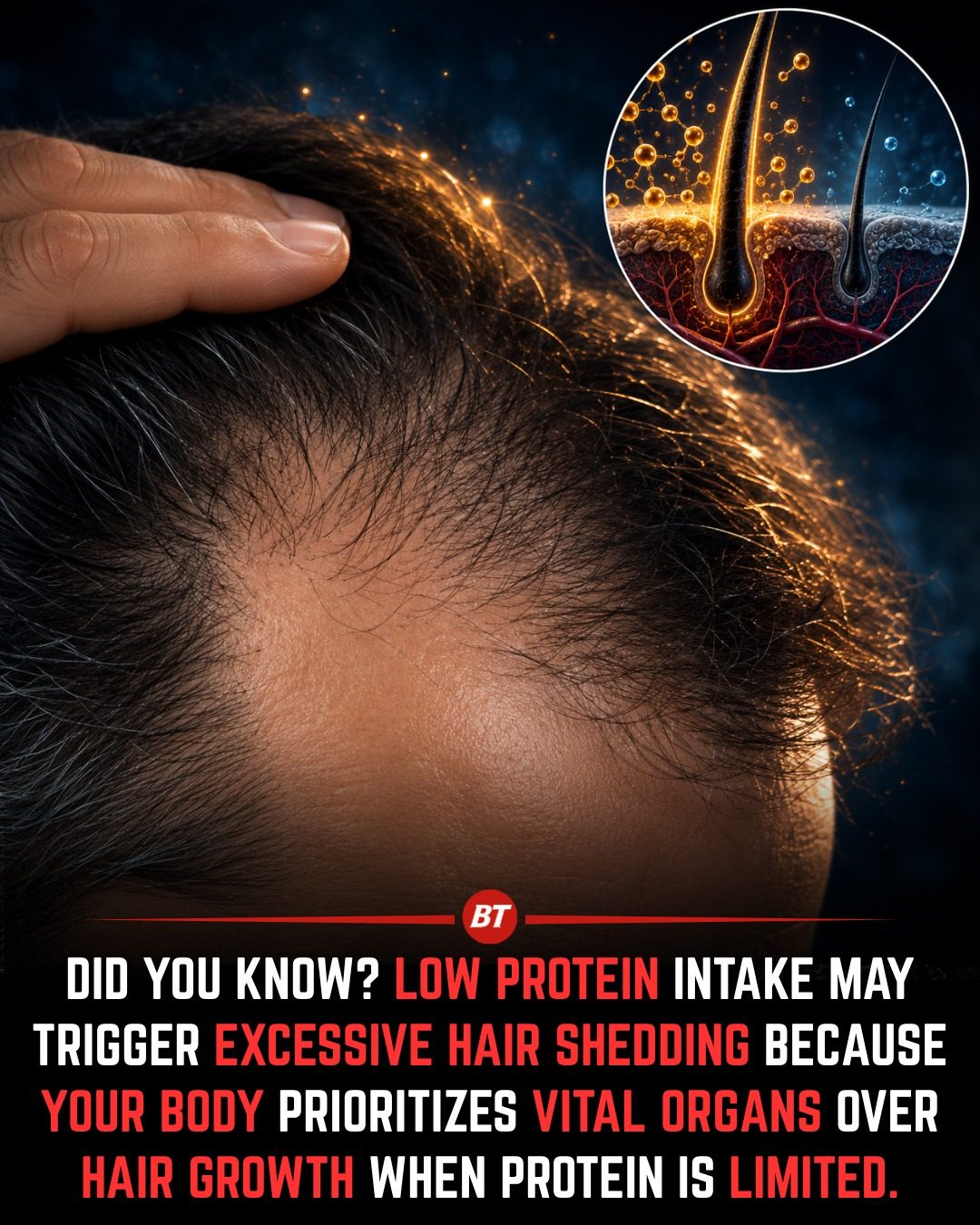
Hair Loss and Protein Intake
Protein is essential for many bodily functions, including hair health. When your body lacks adequate protein, it prioritizes vital organs and functions over hair growth, which can lead to excessive hair shedding. Understanding the connection between protein intake and hair health can provide insights into maintaining a healthy head of hair.
Why Protein Intake Matters for Hair Health
Hair is primarily composed of keratin, a structural protein built from amino acids derived from the foods you consume. When protein intake is inadequate, your body redirects amino acids toward critical functions like maintaining the heart, brain, immune system, muscles, and internal organs. Hair, being non-essential for survival, is often the first to suffer from protein deficiency. This can lead to increased hair shedding, often noticed while brushing or showering.
The body's response to low protein intake can cause many hair follicles to enter the telogen (resting) phase of the hair growth cycle earlier than normal. The loss occurs 2–3 months after the nutritional deficiency or other physical stress, leading to a condition known as telogen effluvium. This delayed reaction can make it difficult to pinpoint the exact cause of hair loss.
The Role of Protein in Hair Growth
Protein is a fundamental building block of the body, and hair is no exception. Hair follicles require a steady supply of amino acids to produce keratin, the protein that gives hair its strength and structure. When protein intake is insufficient, the body cannot supply the necessary amino acids for healthy hair growth. This deficiency can lead to weak, brittle hair that is prone to breakage and shedding.
Other Nutrients for Healthy Hair
While protein is crucial, it is not the only nutrient that supports healthy hair growth. Other essential nutrients include:
-
Iron: Necessary for carrying oxygen to hair follicles. Iron deficiency can lead to hair loss.
-
Zinc: Plays a role in tissue growth and repair, including hair follicles.
-
Biotin: A B vitamin that helps produce keratin, the protein that makes up hair.
-
Vitamin D: Aids in hair follicle cycling and growth.
-
Vitamin B12: Supports hair health by promoting cell renewal and preventing hair loss.
These nutrients work synergistically with protein to support healthy hair growth and overall hair health. Ensuring a balanced diet rich in these nutrients can help maintain a healthy head of hair.
Practical Tips for Maintaining Healthy Protein Intake
Incorporating a variety of protein-rich foods into your daily diet can support hair health. Here are some practical tips to ensure adequate protein intake:
-
Eggs: A versatile protein source that also provides biotin, essential for hair health.
-
Greek Yogurt: High in protein and calcium, which supports overall bone and hair health.
-
Chicken and Fish: Lean protein sources that also supply essential fatty acids for hair health.
-
Lean Beef: A good source of protein, iron, and zinc, all of which support hair growth.
-
Cottage Cheese: Low in calories and high in protein, making it an excellent snack option.
-
Tofu and Lentils: Plant-based protein sources that also provide iron and other essential nutrients.
-
Beans: Versatile and high in protein, making them a great addition to meals.
Important Takeaways
-
Adequate Protein Intake: Ensuring a steady supply of amino acids is crucial for maintaining healthy hair growth.
-
Nutrient Balance: Combining protein with other essential nutrients like iron, zinc, and vitamins can enhance hair health.
-
Early Detection: Being aware of the signs of protein deficiency and addressing it promptly can prevent excessive hair shedding.
-
Variety in Diet: Incorporating a range of protein-rich foods can support hair health and overall well-being.
Conclusion
Protein plays a vital role in maintaining healthy hair growth. By understanding the connection between protein intake and hair health, you can take proactive steps to support your hair health. Aim to include a variety of protein-rich foods in your diet and maintain a balanced intake of other essential nutrients. If you experience persistent or severe hair shedding, consider consulting a healthcare professional to rule out other underlying conditions.
Watch the Reel
Questions readers ask
What role does protein play in hair health?
Protein is a crucial component of hair, as hair is primarily made up of keratin, a type of protein. Adequate protein intake supports hair growth and strength, helping to maintain a healthy head of hair.
How does protein deficiency lead to hair loss?
When the body lacks sufficient protein, it conserves resources for vital organs and functions, diverting amino acids away from hair growth. This can result in increased hair shedding and weakened hair.
What is keratin and why is it important for hair?
Keratin is a structural protein that makes up the majority of hair strands. It provides strength and structure to hair, and is built from amino acids obtained from the diet. Ensuring adequate protein intake supports keratin production and healthy hair growth.
Can increasing protein intake help with hair regrowth?
Yes, boosting protein intake can support hair regrowth, especially if hair loss is caused by a protein deficiency. Including enough protein in your diet can help restore hair health, but it's essential to consult with a healthcare provider for personalized advice.
What are the signs of protein deficiency-related hair loss?
Signs of protein deficiency-related hair loss include increased hair shedding, weakened hair, and overall poor hair health. If you notice these issues, it may be helpful to evaluate your protein intake and consider consulting a healthcare provider.
What foods can help promote hair growth through protein intake?
Including foods such as lean meats, fish, eggs, dairy, beans, and nuts in your diet can help promote hair growth by providing essential proteins. These foods contain the necessary amino acids for keratin production and overall hair health.
How long does it take to see improvements in hair health after increasing protein intake?
Improvements in hair health can take time, as hair growth is a slow process. It may take several months to notice significant changes in hair thickness, strength, and growth rates after increasing protein intake. Consistency in providing the body with enough protein is key.
Related deep dives
Similar reads based on topic and creator.




Recent articles
Fresh deep dives from the latest Reels we unpacked.



Comments
Be the first to comment.