Carrying Your Dog: Proper Techniques for Comfort and Safety
When it comes to carrying your dog, the way you lift and support their body can greatly impact their comfort and safety. Incorrect handling can lead to discomfort, strain, or even injury. To ensure your dog's well-being, it's crucial to understand the proper techniques for carrying them.
Why This Matters
Carrying your dog is a common task for many pet owners, whether it's for grooming, vet visits, or simply getting them from one place to another. However, without the right knowledge, you might be unintentionally causing discomfort or harm. Proper handling techniques help maintain your dog's spinal alignment, reduce pressure on their ribcage, and ensure they feel secure. This is vital for both their physical health and emotional well-being, especially for smaller breeds, puppies, or dogs with health issues.
Main Discussion
Understanding the Risks of Incorrect Carrying
Spinal Compression
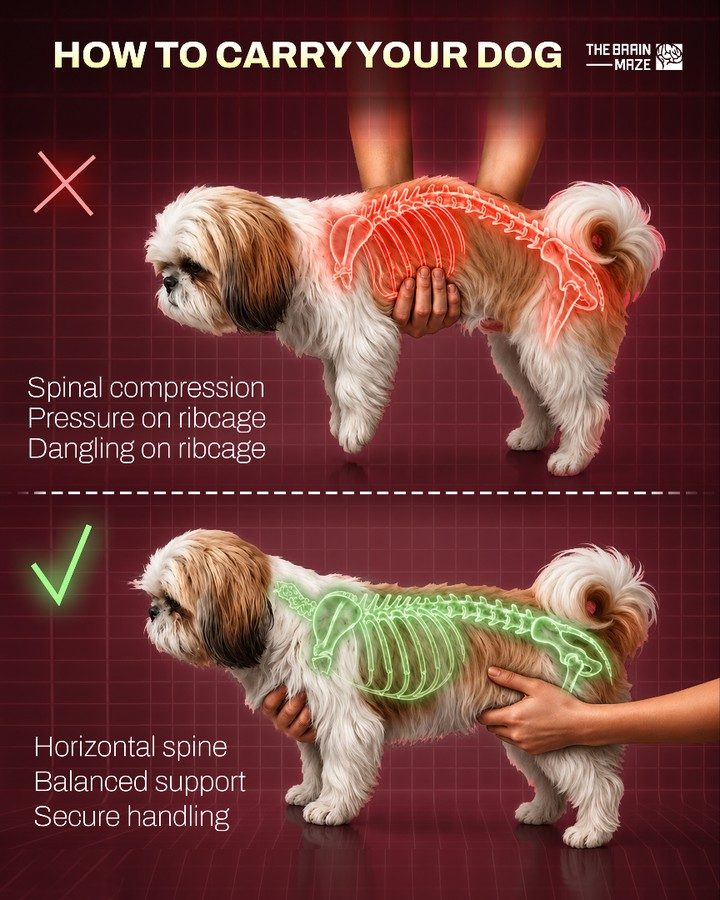
One of the primary risks of improper handling is spinal compression. When you lift a dog by supporting only the middle of their body, you place unnecessary pressure on their spine. This can lead to discomfort, strain, and potentially serious injuries. By maintaining a horizontal spine, you can distribute the dog's weight evenly and reduce the risk of spinal issues.
Pressure on the Ribcage
In addition to spinal compression, incorrect carrying techniques can place excessive pressure on the dog's ribcage. This is particularly problematic for smaller dogs or those with delicate bone structures. When a dog's body is not fully supported, their ribcage can sag, leading to discomfort and potential injury. Proper support helps distribute the weight evenly, ensuring the dog's ribcage remains stable and secure.
Proper Carrying Techniques
Horizontal Spine Support
To carry your dog safely, focus on maintaining a horizontal spine. This means keeping your dog's back straight and level when you lift them. Place one hand beneath their chest and the other under their hindquarters. By supporting both the front and rear ends, you create a stable base that helps distribute their weight evenly.
Balanced Support
Balanced support is key to ensuring your dog feels secure and comfortable. When you lift your dog, make sure both your hands are providing equal support. This helps prevent any part of their body from dangling or being pulled in an awkward position. A well-supported dog is less likely to struggle or become anxious, making the experience more pleasant for both of you.
Secure Handling
Secure handling involves not only proper positioning but also a gentle and confident touch. Dogs are perceptive and can sense your intentions. By handling them with care and confidence, you can help them feel more at ease. Keep your movements slow and deliberate, and always be mindful of their comfort and reactions.
Practical Tips
Assessing Your Dog's Comfort
Always pay attention to your dog's body language and reactions during and after lifting them. Signs of discomfort, such as whimpering, struggling, or trying to wriggle free, indicate that you may need to adjust your technique. If your dog seems anxious or uncomfortable, take a few moments to reassure them and try again.
Adjusting for Different Sizes and Breeds
Different dogs have unique needs based on their size, breed, and health conditions. For smaller or more delicate breeds, extra care should be taken to ensure they are fully supported. Larger dogs may require more strength and stability, so be sure to use both hands and keep your back straight to avoid injury.
Practicing Proper Lifting
Practice makes perfect, especially when it comes to carrying your dog. Take the time to practice lifting them using the correct technique until it becomes second nature. The more you practice, the more comfortable and confident you'll both feel.
Important Takeaways
Prioritize Your Dog's Comfort
Always prioritize your dog's comfort and safety. Proper carrying techniques not only protect your dog from injury but also help ensure they feel secure and trusted.
Consistency is Key
Be consistent with your handling techniques. Dogs thrive on routine and predictability, so sticking to a consistent method will help them feel more at ease.
Conclusion
Carrying your dog correctly is essential for their well-being. By understanding the risks of improper handling and implementing proper techniques, you can ensure your dog feels secure and comfortable. Whether you're lifting them for a quick cuddle or a trip to the vet, always prioritize their safety and comfort. With practice and care, you'll both enjoy a more positive and stress-free experience.
Watch the Reel
Questions readers ask
Why is it important to use proper techniques when carrying my dog?
Using proper techniques helps maintain your dog's spinal alignment, prevents excessive pressure on their ribcage, and ensures they feel secure. This reduces the risk of discomfort, strain, or injury during handling.
What are the key points to remember when lifting my dog?
Support your dog's chest and hindquarters to maintain a balanced carry. Keep their spine aligned and avoid compressing their ribcage. This ensures secure and comfortable lifting.
How should I carry my dog to prevent back injury?
Carry your dog horizontally, supporting their chest and hindquarters. This technique helps distribute their weight evenly and prevents spinal compression, reducing the risk of back injury.
What is the correct way to pick up a small dog?
For small dogs, use one hand to support their chest and the other to support their hindquarters. Gently lift them, ensuring their spine remains aligned, and keep them close to your body for security.
How can I ensure my dog feels secure when carrying them?
Communicate with your dog and maintain a calm demeanor. Hold them close to your body, supporting their chest and hindquarters. This will help them feel secure and reduce any anxiety during carrying.
What should I avoid when lifting my dog?
Avoid lifting your dog by their legs, tail, or scruff. Additionally, do not allow their spine to curve or twist. Remember: avoid compressing their ribcage, which can cause discomfort and potential injury.
Related deep dives
Similar reads based on topic and creator.

Recent articles
Fresh deep dives from the latest Reels we unpacked.




Comments
Be the first to comment.