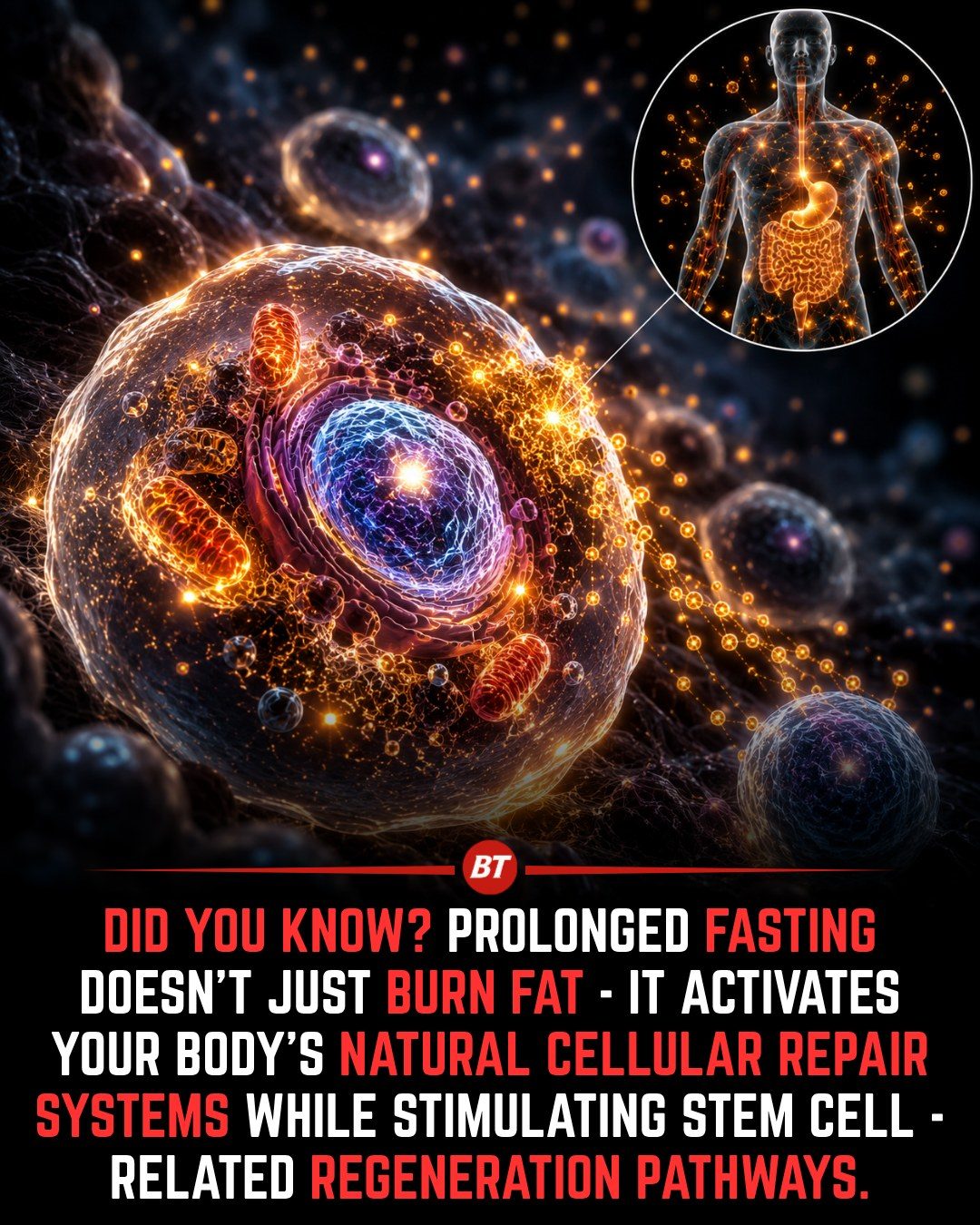
Cellular Regeneration and the Benefits of Prolonged Fasting
Fasting has long been recognized as a means to burn fat, but its benefits extend far beyond weight loss. Prolonged fasting activates several critical biological processes, particularly those related to cellular regeneration. This metabolic state not only helps in removing damaged proteins and worn-out cell components but also stimulates pathways involved in cellular repair and regeneration.
Why This Matters
Understanding the profound effects of prolonged fasting can provide valuable insights into maintaining overall health and wellness. By leveraging the body's natural mechanisms, fasting can support cellular maintenance and potentially enhance longevity.
The Science Behind Fasting and Cellular Regeneration
Autophagy: The Body's Natural Recycling Process
Autophagy is a natural cellular recycling process that helps remove damaged proteins and worn-out cell components. When the body switches from using glucose to stored fat for energy, it activates autophagy. This process is crucial for cellular maintenance and overall health. By removing damaged cellular components, autophagy helps in the regeneration of healthy cells and tissues.
Stem Cell Activation and Tissue Regeneration
Prolonged fasting has been shown to activate stem cell-related repair pathways, which can lead to the regeneration of certain tissues. Animal studies and early human research have linked fasting followed by refeeding to the regeneration of tissues, particularly in the immune system and intestines. This regenerative effect is one of the most promising aspects of fasting, offering potential benefits for tissue repair and overall health.
Metabolic Flexibility and Cellular Stress Resistance
A 2023 review published in Nutrients highlighted that fasting can improve metabolic flexibility, insulin sensitivity, and cellular stress resistance. These improvements are linked to the activation of biological pathways involved in cellular maintenance. By enhancing metabolic flexibility, fasting allows the body to switch between using different energy sources more efficiently, which can support overall health and wellness.
Practical Tips for Incorporating Fasting into Your Routine
Starting with Overnight Fasting
If you're new to fasting, it's essential to start gradually. Begin with a 12–14 hour overnight fast and gradually increase the fasting window as your body adapts. This approach allows your body to switch into a different metabolic state where it relies more on stored energy and activates natural maintenance processes.
Staying Hydrated
Hydration is crucial during fasting periods. Drink plenty of water to support your body's natural processes and to help you feel your best. Adequate hydration can also make fasting more comfortable, reducing feelings of hunger and fatigue.
Breaking the Fast
When you break your fast, prioritize nutrient-dense foods. Incorporate protein, vegetables, healthy fats, and whole foods to support recovery and muscle maintenance. This balanced approach ensures that your body receives the necessary nutrients to rebuild and repair cells.
Important Takeaways
Fasting as a Tool
Fasting should be viewed as one tool for supporting health—not a cure-all. While it offers numerous benefits, it's important to integrate it into a balanced lifestyle that includes a nutritious diet and regular exercise. Combining fasting with other healthy habits can enhance its positive effects on cellular regeneration and overall health.
Gradual Changes
Gradual changes are key to successful fasting. Starting with shorter fasts and gradually increasing the duration allows your body to adapt and reap the benefits without causing undue stress. Listen to your body and adjust your fasting routine as needed.
Individual Needs
Everyone's body responds differently to fasting. Pay attention to how your body reacts and make adjustments based on your individual needs and goals. Consulting with a healthcare provider can also help ensure that fasting is a safe and effective choice for you.
Conclusion
Prolonged fasting offers a range of benefits that extend far beyond weight loss. By activating autophagy, stimulating stem cell-related pathways, and enhancing metabolic flexibility, fasting can support cellular regeneration and overall health. Incorporating fasting into your routine can be a valuable tool for maintaining wellness, but it's important to approach it gradually and in a way that aligns with your individual needs.
Watch the Reel
Questions readers ask
What is autophagy and how does prolonged fasting induce it?
Autophagy is a natural process where the body breaks down and recycles damaged or unnecessary cell components. Prolonged fasting induces autophagy by creating a metabolic state that mimics stress, prompting cells to remove and repair damaged parts, which contributes to cellular regeneration and overall health.
How does prolonged fasting benefit tissue repair and regeneration?
During prolonged fasting, the body activates specific pathways that support tissue repair and regeneration. This includes the removal of damaged proteins and cell components, as well as the stimulation of stem cell activity, which can help in the renewal and repair of various tissues in the body.
Is there a recommended duration for prolonged fasting to achieve cellular repair benefits?
The optimal duration for prolonged fasting can vary, but many studies suggest a range of 24 to 72 hours to achieve significant benefits in cellular repair. It's advisable to consult with a healthcare provider to determine the best fasting regimen tailored to individual needs and health status.
What are the potential benefits of prolonged fasting on human longevity?
Prolonged fasting can potentially enhance human longevity by supporting cellular maintenance and regeneration. The process of autophagy and the activation of regenerative pathways help in maintaining cellular health, which is crucial for overall well-being and lifespan extension.
Can prolonged fasting aid in fat loss, and how does this relate to cellular repair?
Yes, prolonged fasting is an effective method for fat loss. When the body is deprived of external nutrients, it turns to stored fat for energy, which can lead to weight loss. This process also activates cellular repair mechanisms, as the body works to maintain and regenerate cells during the fasting period.
What are the key differences between short-term and prolonged fasting in terms of cellular regeneration?
Short-term fasting, typically lasting 12-16 hours, may offer some benefits for cellular maintenance, but prolonged fasting, lasting 24 hours or more, is more effective in activating autophagy and regenerative pathways. Prolonged fasting triggers a more profound metabolic state that significantly enhances cellular repair and regeneration.
How does stem cell activation contribute to the benefits of prolonged fasting?
During prolonged fasting, the body activates stem cells, which play a crucial role in tissue repair and regeneration. This activation helps in replenishing damaged cells and promoting overall tissue health, contributing to the benefits of fasting on cellular regeneration and overall well-being.
Related deep dives
Similar reads based on topic and creator.




Recent articles
Fresh deep dives from the latest Reels we unpacked.




Comments
Be the first to comment.